
lovethailand home >Northeastern Travel Attractions >Chaiyaphum Travel Attractions >Muang Chaiyaphum >Na Sieow > Wat Sa Hong
TL;DR: Wat Sa Hong is located at Na Siao Subdistrict, Mueang Chaiyaphum District, Chaiyaphum Province, open Daily, hours 08.00 – 16.30. Highlights include A natural swan-shaped stone, a rocky hillside setting, and an ancient pond with water throughout the year.

Wat Sa Hong
Open Days: Daily
Opening Hours: 08.00 – 16.30
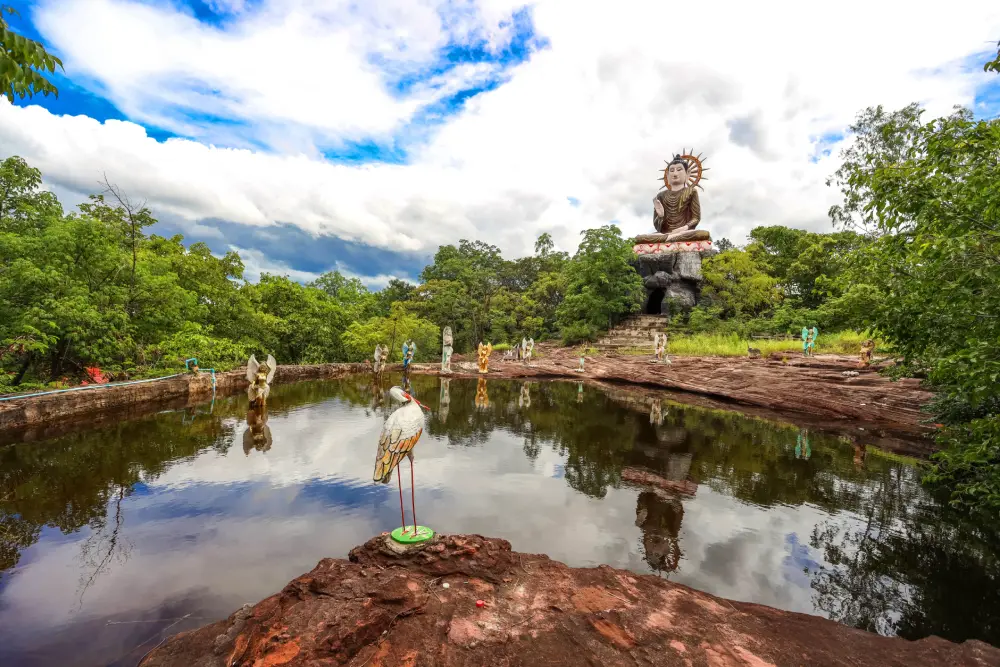
Wat Sa Hong in Chaiyaphum Province is a quiet Buddhist temple and cultural attraction known for its rocky hillside setting, a naturally formed stone shaped like a swan, and an ancient pond that holds water throughout the year. Located not far from Chaiyaphum city, the temple offers a peaceful travel experience for visitors who want to explore local faith, natural formations, and the slower rhythm of rural Northeastern Thailand in one place.
Wat Sa Hong is located in Na Siao Subdistrict, Mueang Chaiyaphum District, Chaiyaphum Province, about 12 km from the city center. The main access route follows Highway 2051, with a turn-off along the same direction as Choraka Reservoir. This makes the temple suitable for a short half-day trip by private car, rental car, or local hired vehicle. For travelers staying in Chaiyaphum city, Wat Sa Hong can be combined with nearby cultural and natural sites such as Wat Sila At, Phu Phra, Lam Choraka Reservoir, Phraya Phakdi Chumphon Monument, and Prang Ku Chaiyaphum.
The character of Wat Sa Hong is defined by its landscape. Unlike temples built mainly on flat urban ground, this temple stands on a low rocky hill with natural stone surfaces, gentle slopes, trees, and open spaces. The rocky ground immediately gives the temple a distinctive atmosphere. It feels closer to a natural sanctuary than a formal city temple, which is part of its quiet appeal. Visitors who enjoy places with local stories, geological features, and spiritual meaning will find this temple especially interesting.
The most recognizable feature of Wat Sa Hong is the natural stone that resembles a swan. This stone was not carved as a sculpture but formed naturally, which gives it a sense of mystery and local identity. In Thai cultural imagination, the swan is often associated with grace, purity, elegance, and spiritual refinement. When such a shape appears in a natural rock formation, it becomes more than just a visual curiosity. It turns into a symbol that connects the temple’s name, landscape, and local belief.
The name “Sa Hong” can be understood through 2 important features: the pond and the swan-shaped stone. Behind the temple pavilion stands an ancient pond about 10 meters wide. Although modest in size, the pond is important because it contains water throughout the year. In a rocky hillside environment, a permanent water source carries practical, symbolic, and emotional value. It softens the stone landscape, brings coolness to the area, and helps visitors understand why this place has been remembered and respected by the local community.
The ancient pond should not be overlooked. Many visitors first notice the swan-shaped rock, but the pond completes the meaning of the temple. It sits quietly behind the pavilion, surrounded by the calm atmosphere of the temple grounds. Its year-round water adds depth to the site, making Wat Sa Hong feel like a place where stone, water, trees, and faith exist together naturally. For foreign travelers, this is a good example of how Thai temples often grow from the surrounding landscape rather than being separated from it.
Wat Sa Hong is not a temple that tries to impress visitors with grand scale or elaborate architecture. Its strength lies in authenticity, silence, and the subtle beauty of place. The temple is best experienced slowly. Visitors should walk, observe, and take time to notice the texture of the rocks, the shape of the swan-like stone, the pond behind the pavilion, and the way the temple blends into the natural slope. This is a place for quiet observation rather than a rushed photo stop.
As a Buddhist temple, Wat Sa Hong remains a sacred space for local worship and religious practice. Visitors should dress respectfully, speak softly, avoid climbing on rocks, avoid touching or damaging natural formations, and keep the temple clean. Photography is acceptable when done respectfully, but visitors should avoid disturbing monks, local worshippers, or ceremonies. The peacefulness of the temple is part of its value, and responsible travel helps preserve that atmosphere.
The temple area can be understood in several main zones. The pavilion and merit-making area form the practical and spiritual center of the temple. The rocky hillside and stone terrace create the natural setting. The swan-shaped stone is the main landmark of the temple. The ancient pond behind the pavilion is the second key feature. Around these areas are shaded spaces suitable for walking quietly and observing the landscape. This simple layout makes the temple easy to visit, even for first-time travelers.
One of the most meaningful aspects of Wat Sa Hong is the relationship between rock and water. In many parts of Northeastern Thailand, sacred places are often linked with hills, cliffs, stone platforms, caves, ancient ponds, or springs. These natural elements create a sense of stability, solitude, and sacredness. Wat Sa Hong reflects this pattern clearly. The swan-shaped stone and the ancient pond are not separate attractions; together they form the heart of the temple’s identity.
Wat Sa Hong is also a worthwhile stop for travelers interested in the cultural route around Mueang Chaiyaphum District. Nearby Wat Sila At, also known as Phu Phra, is an important historical site with ancient sandstone Buddha images carved into the rock. The best-known image there is Phra Chao Ong Tue, a revered large seated Buddha image. Visiting Wat Sa Hong together with Phu Phra allows travelers to see how faith, sandstone landscapes, and local history are closely connected in this part of Chaiyaphum.
For families, Wat Sa Hong offers a gentle introduction to local culture and natural formations. Children can observe how a natural rock can resemble an animal shape, while adults can enjoy the calm environment and temple atmosphere. For photographers, the rocky slope, temple setting, pond, and natural stone formations provide interesting compositions. For cultural travelers, the temple gives insight into how local communities build meaning around natural features without turning them into large-scale tourist attractions.
The best time to visit is in the morning or late afternoon, when the temperature is more comfortable and the light makes the stone surfaces easier to see. During the rainy season, visitors should be careful because rocky ground may become slippery. Comfortable walking shoes are recommended. The temple visit usually takes about 30 minutes to 1 hour, but travelers who enjoy slow observation may want to stay longer to take photographs, sit quietly, or combine the visit with nearby attractions.
Getting There from Chaiyaphum city is straightforward. Drive along Highway 2051 toward Na Siao Subdistrict for about 12 km, then turn onto the same route used for Choraka Reservoir. The GPS coordinates 15.915175, 101.993639 can be used for navigation. Travelers without a private vehicle should arrange a local taxi, hired car, or local transport from Chaiyaphum city and agree clearly on waiting time and return arrangements, especially if planning to visit more than 1 site in the same trip.
A practical itinerary is to start from Chaiyaphum city in the morning, visit Wat Sa Hong, continue to Wat Sila At or Phu Phra, stop by Lam Choraka Reservoir, and return to the city for lunch or dinner. This route gives a balanced view of local Buddhism, natural scenery, rock formations, and city-based services. Travelers who prefer a slower pace can spend more time at the temple and enjoy the quiet surroundings instead of trying to cover too many places in one day.
Wat Sa Hong is a good choice for foreign travelers who want to experience Chaiyaphum beyond the most famous tourist spots. The temple does not rely on commercial attractions, large crowds, or dramatic facilities. Its value comes from the natural swan-shaped stone, the ancient pond, the rocky hillside, and the calm spiritual atmosphere. It is a place that rewards attention, patience, and respect for local culture.
Overall, Wat Sa Hong is one of the most distinctive small temple attractions near Chaiyaphum city. Its natural rock formation, year-round pond, temple pavilion, and peaceful hillside setting create a memorable experience for travelers interested in Thai temples, local belief, and nature-based cultural sites. It is best visited as part of a short cultural route around Mueang Chaiyaphum District, especially for those who enjoy quiet places with a strong sense of local identity.
| Name | Wat Sa Hong |
| Location | Na Siao Subdistrict, Mueang Chaiyaphum District, Chaiyaphum Province |
| Address | Na Siao Subdistrict, Mueang Chaiyaphum District, Chaiyaphum Province 36000, Thailand |
| Coordinates | 15.915175, 101.993639 |
| Highlights | A natural swan-shaped stone, a rocky hillside setting, and an ancient pond with water throughout the year |
| Distinctive Features | A peaceful temple located on a low rocky hill, suitable for worship, nature observation, and cultural photography |
| History / Significance | A local Buddhist temple and sacred site known for its ancient pond and naturally formed swan-shaped rock |
| Name Origin | The name relates to the ancient pond inside the temple and the natural rock formation that resembles a swan |
| Main Areas / Zones | Temple pavilion and merit-making area Rocky hillside terrace Natural swan-shaped stone Ancient pond behind the pavilion Shaded temple surroundings for quiet walking |
| Travel Information | From Chaiyaphum city, take Highway 2051 for about 12 km and turn onto the same route leading to Choraka Reservoir |
| Current Status | Open for temple visits and merit-making during regular visiting hours |
| Open Days | Daily |
| Opening Hours | 08.00 – 16.30 |
| Nearby Tourist Attractions | 1. Wat Sila At (Phu Phra), about 8 km 2. Lam Choraka Reservoir, about 9 km 3. Phraya Phakdi Chumphon Monument, about 13 km 4. Nong Pla Thao Public Park, about 14 km 5. Prang Ku Chaiyaphum, about 18 km 6. Tat Ton National Park, about 30 km |
| Nearby Restaurants | 1. Mata Cuisine, about 14 km, Tel. 093-448-2999 2. Lakeside Coffee & Cuisine, about 15 km, Tel. 084-589-1616 3. Suan Ahan Tak Mok Chaiyaphum, about 15 km, Tel. 093-343-1592 4. Suan Ahan Baan Bai Toey Na Chaiyaphum, about 16 km, Tel. 081-483-1616, 089-722-3040 5. Panadda Nem Nueng, about 16 km, Tel. 044-817-774 |
| Nearby Accommodations | 1. HOP INN Chaiyaphum, about 13 km, Tel. 02-080-2222 2. Ratanasiri Hotel, about 13 km, Tel. 044-821-258-60 3. Na Care Hotel Chaiyaphum, about 14 km, Tel. 099-014-7921, 080-723-2200 4. Siam River Resort, about 15 km, Tel. 044-811-999 5. Lertnimitra Hotel Chaiyaphum, about 16 km, Tel. 044-811-522, 080-165-9494 6. Dee Prom Hotel Chaiyaphum, about 16 km, Tel. 088-591-0210 |
Frequently Asked Questions (FAQ)
Q: Where is Wat Sa Hong located?
A: Wat Sa Hong is located in Na Siao Subdistrict, Mueang Chaiyaphum District, Chaiyaphum Province, about 12 km from Chaiyaphum city center.
Q: What is Wat Sa Hong known for?
A: The temple is known for its natural swan-shaped stone, rocky hillside landscape, and an ancient pond behind the pavilion that holds water throughout the year.
Q: How can travelers get to Wat Sa Hong?
A: Travelers can drive from Chaiyaphum city along Highway 2051 and turn onto the same route used for Choraka Reservoir. A private car, rental car, or local hired vehicle is recommended.
Q: What are the opening days and hours of Wat Sa Hong?
A: Wat Sa Hong is open daily from 08.00 to 16.30.
Q: How long should visitors spend at Wat Sa Hong?
A: Most visitors should allow about 30 minutes to 1 hour to pay respect, walk around the rocky area, see the swan-shaped stone, and visit the ancient pond.
Q: Who is Wat Sa Hong suitable for?
A: It is suitable for travelers interested in quiet temples, local culture, natural rock formations, sacred landscapes, and short trips near Chaiyaphum city.
Q: What attractions can be visited near Wat Sa Hong?
A: Nearby attractions include Wat Sila At or Phu Phra, Lam Choraka Reservoir, Phraya Phakdi Chumphon Monument, Nong Pla Thao Public Park, and Prang Ku Chaiyaphum.
Q: What should visitors be careful about at Wat Sa Hong?
A: Visitors should dress respectfully, avoid climbing on the rocks, avoid writing on natural surfaces, keep the temple clean, and be careful on slippery stone surfaces during the rainy season.
 Category: ●Places of Worship
 Group: ●Temple
Last Update : 3 MonthAgo
 Last Update : 3 MonthAgo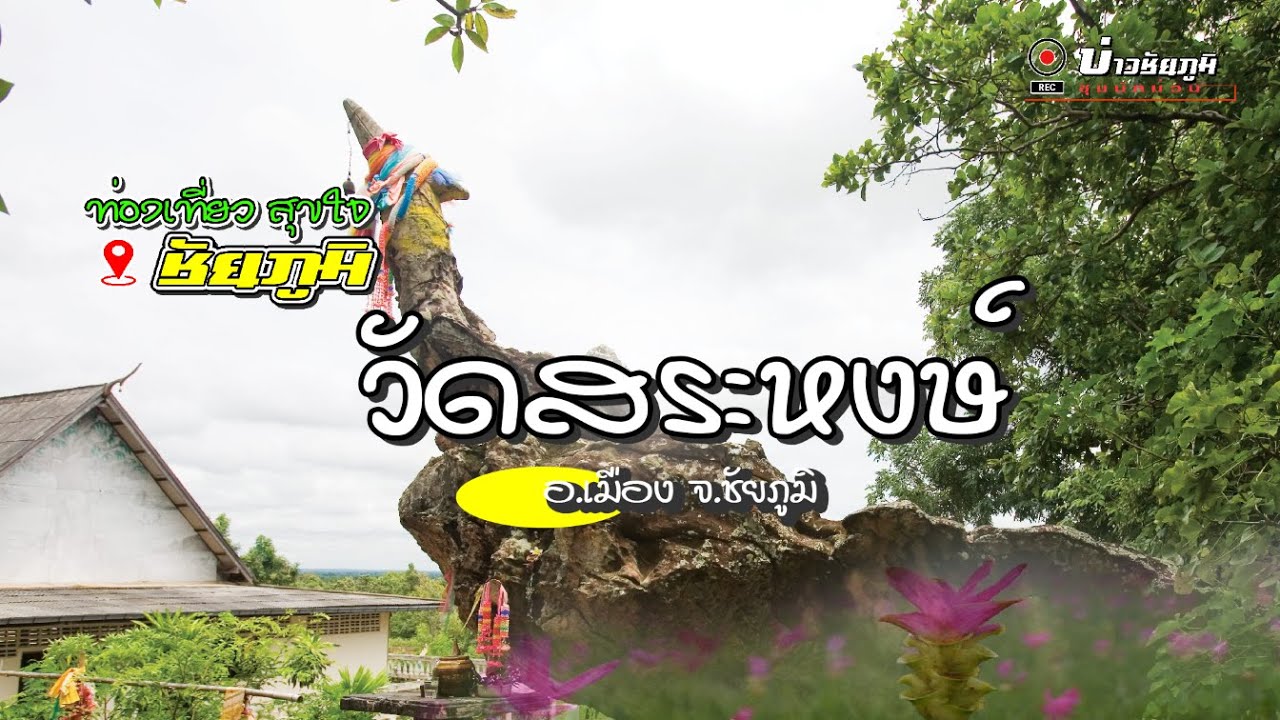
 Click to Access the Navigation Map GPS
Wat Sa Hong Map
Recommend

 Art, Culture and Heritage
 Historical Sites and Monuments(1)
 Landmarks and Memorials(3)
 Royal Palace(1)
 Art, Craft Centres, Tradition(3)
 Educational Places
 Educational Gardens, Farm(1)
Temple(141)
Educational Gardens, Farm(1)
Temple(141)
 Other Sacred Sites(7)
 Suburban Living
 Village, Community(4)
 Nature and Wildlife
 National Parks and Marine Reserves(7)
 Mountain (Doi)(5)
 Dam, Reservoir, Lake(10)
 Waterfalls(15)
 Caves(5)
 River, Canal(4)
 Other natural attractions(1)
 Entertainment and Agricultural
 Farms, Parks and Ecotourism(2)


