
lovethailand home >Northeastern Travel Attractions >Chaiyaphum Travel Attractions >Chatturat >Kut Nam Sai > Wat Rasi
TL;DR: Wat Rasi is located at Ban Kut Nam Sai, Moo 3, Kut Nam Sai Subdistrict, Chatturat District, Chaiyaphum Province, open Daily, hours 08.00 – 17.00.
Wat Rasi
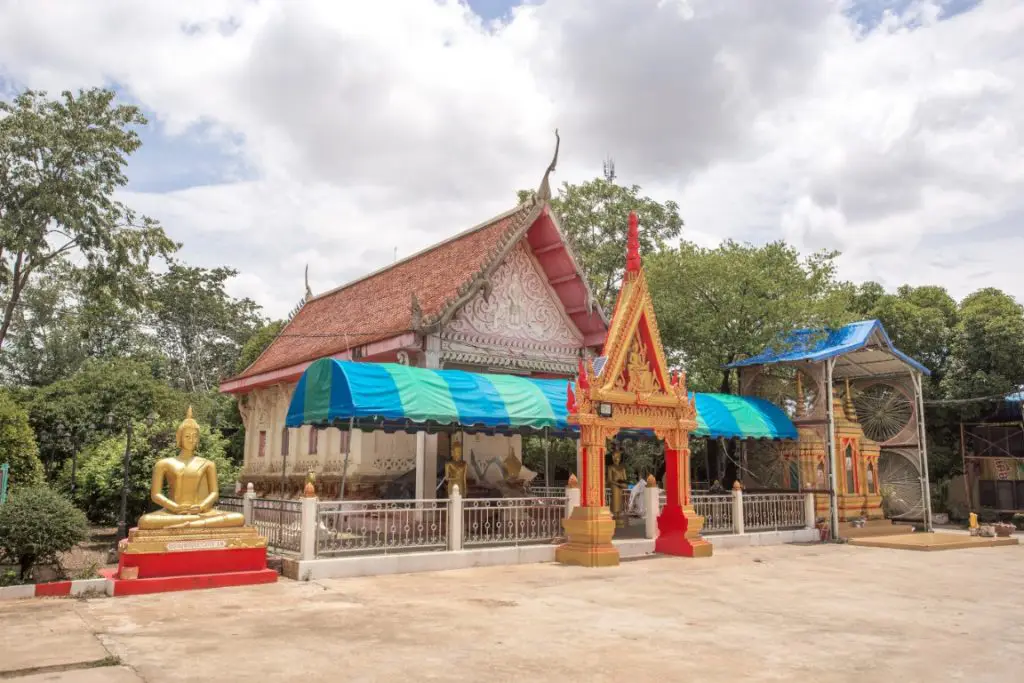
Open Days: Daily
Opening Hours: 08.00 – 17.00
Wat Rasi is a historic local Buddhist temple located at 105 Moo 3, Ban Kut Nam Sai, Kut Nam Sai Subdistrict, Chatturat District, Chaiyaphum Province. The temple is a public Buddhist temple under the Mahanikaya monastic order and has been officially established since 1837. It received its royal consecrated boundary in 1857, making it one of the long-standing Buddhist temples connected with the history, faith, and community life of Ban Kut Nam Sai. For foreign travelers who want to understand Thai temples beyond well-known tourist landmarks, Wat Rasi offers a quiet and authentic view of village Buddhism in northeastern Thailand.
Wat Rasi is meaningful because it is closely connected with the early settlement of Ban Kut Nam Sai. Local history tells that when the village community took shape, land was allocated for a Buddhist temple so that monks and villagers could maintain religious practice together. This reflects a common pattern in rural Thailand: a village and a temple grow side by side. The temple becomes not only a place of worship, but also a shared memory space where families make merit, listen to Dhamma, hold ceremonies, and preserve local traditions across generations.
The name Wat Rasi carries an auspicious local identity. It is remembered by villagers as a sacred place of the community and as a temple with deep roots in the history of Kut Nam Sai. The temple is associated with local stories, old Buddhist structures, community devotion, and the continuing role of monks in village life. For visitors, this makes Wat Rasi more than a simple religious compound. It is a place where local history, Buddhist faith, and Isan community culture remain closely connected.
The temple is located in Kut Nam Sai Subdistrict, Chatturat District, a rural area of Chaiyaphum Province with local roads, homes, schools, agricultural land, and community spaces nearby. The setting gives Wat Rasi the atmosphere of a true village temple. It is accessible to local residents and remains part of ordinary daily life. Visitors will find a peaceful temple environment rather than a heavily commercial tourist site.
Wat Rasi serves as a venue for religious activities of monks, local Buddhists, and the wider public. These activities include Buddhist holy day observances, merit-making, Dhamma listening, chanting, meditation, robe-offering ceremonies, ordination-related ceremonies, funerals, and merit-making for ancestors. The temple is therefore connected with many stages of community life, from family ceremonies to annual religious events.
One of the important areas of the temple is Sala Lan Tham Phra Phuttha Metta, a Dhamma courtyard and hall area associated with worship, Dhamma listening, and community gatherings. In a rural temple, a Dhamma hall or courtyard is often one of the most active spaces because it is where monks and villagers meet regularly. It supports sermons, chanting, meetings, merit-making, and important local events.
The word “Metta” means loving-kindness, one of the essential Buddhist qualities for living peacefully with others. A Dhamma area associated with loving-kindness reminds visitors that Buddhist practice is not only about worship, but also about generosity, forgiveness, compassion, and community harmony. This is especially meaningful in rural communities where mutual support is central to everyday life.
Wat Rasi received its consecrated boundary in 1857. In Thai Buddhism, a consecrated boundary is essential for important monastic ceremonies, especially ordination-related rituals. This confirms the temple’s formal religious function and shows its long-standing role as a complete Buddhist institution in Ban Kut Nam Sai. The temple has supported monastic and lay Buddhist practice for generations.
The abbot of Wat Rasi is Phra Khru Chantha Phothanuwat (Pho Thong). His name appears in monastic directory records and temple activity information. The presence of an identified abbot supports the continuity of temple administration, monastic practice, Buddhist ceremonies, and community religious activities. Wat Rasi therefore remains an active living temple, not only a historical site.
Wat Rasi is also connected with local merit-making events such as Home Bun Duean 3 and the homage ceremony for That Sam Phra Khru. Such events show that the temple continues to be a place where people gather, make merit, honor sacred traditions, and celebrate local culture. These ceremonies help maintain community identity and strengthen the bond between the temple and villagers.
On Buddhist holy days, villagers come to Wat Rasi to make merit, listen to sermons, receive precepts, and cultivate mindfulness. The morning atmosphere is suitable for worship and quiet reflection. Elderly villagers often maintain a close relationship with the temple through regular merit-making, while younger family members who return home during festivals may join temple activities as a way of reconnecting with family and community.
During Buddhist Lent, Wat Rasi becomes especially meaningful. Villagers may offer candles, robes, food, and daily necessities to monks who remain at the temple during the rains retreat. This period encourages Buddhists to observe precepts, listen to Dhamma, and practice generosity. At the end of Lent and during the Kathin season, the community comes together again to support the temple through collective offerings and shared merit.
Kathin and forest robe-offering ceremonies at Wat Rasi reflect the cooperation of Ban Kut Nam Sai and nearby communities. These events require villagers, monks, donors, and supporters to work together through food preparation, venue arrangement, guest reception, offerings, and shared acts of merit. This makes the temple a living center of social unity rather than only a place for formal worship.
Local Isan traditions are closely connected with Buddhist temples. Annual customs such as Bun Khao Chi, Bun Phawet, Songkran merit-making, Buddhist Lent, the end of Lent, Kathin, and forest robe offerings often use temples as the center of gathering. Wat Rasi therefore helps preserve more than religious practice. It also supports community culture, family relationships, and the continuity of local identity.
Bun Khao Chi is one example of how Isan culture connects food, faith, and merit-making. Sticky rice, the staple food of northeastern Thailand, is shaped, grilled, and offered to monks as an act of merit. Such traditions show why village temples remain important. They are places where everyday life, food, devotion, and community cooperation come together.
Bun Phawet, or the Mahachat sermon tradition, also shows the role of temples in transmitting Buddhist teachings. Through the story of Vessantara, villagers learn about generosity, sacrifice, and moral conduct. In a local temple, Dhamma is not only studied from books. It is heard through sermons, practiced through giving, and experienced through community participation.
During Songkran, the temple becomes a place of gratitude and renewal. Local people may make merit, bathe Buddha images, pay respect to elders, and take part in activities that bring blessings for the Thai New Year. For foreign travelers, visiting a temple during this period can reveal the deeper cultural meaning of Songkran beyond water festivities.
Wat Rasi is also suitable for visitors interested in meditation and quiet reflection. A village temple like this is usually less crowded than famous sightseeing temples, making it suitable for mindful walking, chanting, or simply sitting quietly. A visit does not need to be long to be meaningful. Paying respect, walking slowly, and spending a few quiet minutes in the temple can help visitors understand the calm rhythm of rural Buddhist life.
The social role of Wat Rasi is as important as its religious role. Elderly villagers come to preserve traditions and make merit. Working adults return during festivals and family ceremonies. Children and young people learn temple manners, respect for elders, and participation in community life. The temple therefore functions as a cultural classroom for Ban Kut Nam Sai and the wider Chatturat community.
For visitors from outside the area, Wat Rasi offers a different experience from major tourist temples. Its interest does not come from grandeur or spectacle, but from age, continuity, simplicity, and authenticity. Travelers can see how a local temple continues to support faith, family ceremonies, cultural practice, and social connection in a rural Thai community.
A visit to Wat Rasi should be approached slowly and respectfully. Visitors may pay respect in appropriate areas, make merit, observe the Dhamma courtyard, and experience the quiet atmosphere of Ban Kut Nam Sai. If monks or villagers are performing religious activities, visitors should speak softly, move carefully, and avoid interrupting ceremonies. Responsible behavior helps preserve the temple’s sacred atmosphere.
Modest dress is recommended. Visitors should avoid revealing clothing, keep shoulders covered, and wear appropriate trousers or skirts. Photography is generally suitable in public areas, but visitors should avoid taking close photographs of monks, elderly villagers, or people performing religious acts without permission. In a community temple, rituals are sincere expressions of faith rather than performances for tourism.
Wat Rasi can be included in a local faith-based route around Kut Nam Sai Subdistrict. Travelers may begin with merit-making at Wat Rasi, then continue to nearby local temples such as Wat Wang Sawang, Wat Sawan Khongkha, and Wat Pho Si. This type of route helps visitors understand the network of Buddhist faith across rural villages, where each temple serves its own community while remaining part of a larger cultural landscape.
For a broader Chatturat route, visitors can continue from Wat Rasi to the Red Lotus Field wooden bridge at Bueng Lahan and the wider Bueng Lahan wetland area. This combination offers both Buddhist culture and natural scenery. Travelers can begin with a quiet temple visit in the morning, then continue to wetland scenery, local food, and community-based travel in the afternoon.
Getting There is easiest by private car. From Chaiyaphum city, travel toward Chatturat District, then continue into Kut Nam Sai Subdistrict and Ban Kut Nam Sai, Moo 3. Because the temple is located in a village area, checking a digital map before departure is recommended. Travelers coming from central Chatturat can also reach the temple by local roads.
Public transport may bring visitors to Chatturat District first, but onward travel to Ban Kut Nam Sai may require a local vehicle, hired transport, or assistance from residents familiar with the route. Travelers planning to visit several temples, restaurants, cafes, and accommodations in one day should use a private car or rental car for better control of time and route.
The best time to visit Wat Rasi is in the morning or late afternoon, especially within the usual visiting period of 08.00 to 17.00. On Buddhist holy days and major festivals, the temple may be livelier with merit-making, sermons, and community participation. Visitors who prefer a quiet experience may choose an ordinary weekday, while those who want to observe local religious life may visit during temple festivals.
In the wider context of Chaiyaphum Province, Wat Rasi adds cultural depth to a destination often known for mountains, national parks, flower fields, and natural scenery. Visiting a historic community temple like this helps travelers understand the province through its people, beliefs, village institutions, and local memory. It is especially suitable for those who prefer meaningful cultural travel rather than mainstream sightseeing alone.
Wat Rasi is suitable for local residents, merit-makers, cultural travelers, and visitors who want to experience the quieter side of Chaiyaphum. Its importance does not come from size or fame, but from continuity, age, simplicity, and its real role in the life of Ban Kut Nam Sai. It is a temple where faith, community, and everyday rural culture remain closely connected.
In summary, Wat Rasi is a historic public Buddhist temple under the Mahanikaya order in Ban Kut Nam Sai, Kut Nam Sai Subdistrict, Chatturat District, Chaiyaphum Province. Officially established in 1837 and granted its consecrated boundary in 1857, the temple continues to serve as a place for religious activities, meditation, traditions, cultural events, and community gatherings. For foreign travelers, it offers a quiet and authentic opportunity to experience local Buddhist life and the deep-rooted faith of rural northeastern Thailand.
| Name | Wat Rasi |
| Location | Ban Kut Nam Sai, Moo 3, Kut Nam Sai Subdistrict, Chatturat District, Chaiyaphum Province |
| Address | 105 Moo 3, Ban Kut Nam Sai, Kut Nam Sai Subdistrict, Chatturat District, Chaiyaphum Province 36130, Thailand |
| Highlights | A historic village temple officially established in 1837, serving as a spiritual and community center of Ban Kut Nam Sai |
| History | Officially established in 1837 and closely connected with the early settlement history of Ban Kut Nam Sai and Chatturat District |
| Consecrated Boundary | Granted Wisungkhamasima in 1857 |
| Monastic Order | Mahanikaya |
| Abbot | Phra Khru Chantha Phothanuwat (Pho Thong) |
| Distinctive Features | A peaceful historic community temple with Sala Lan Tham Phra Phuttha Metta, used for merit-making, Dhamma listening, meditation, and local religious events |
| Important Areas | Sala Lan Tham Phra Phuttha Metta, Dhamma Courtyard, Religious Activity Area, Merit-Making Area, Dhamma Listening Area, Meditation Area, And Community Courtyard |
| Key Activities | Buddhist Holy Day Merit-Making, Dhamma Listening, Precept Observance, Meditation, Buddhist Lent, End Of Lent, Kathin, Forest Robe Offering, Home Bun Duean 3, And Homage Ceremony For That Sam Phra Khru |
| Travel Information | Private car is the most convenient option. From Chaiyaphum city, travel toward Chatturat District, then continue to Kut Nam Sai Subdistrict and Ban Kut Nam Sai, Moo 3. A digital map is recommended |
| Current Status | An active public Buddhist temple under the Mahanikaya order, used for religious activities, meditation, traditions, cultural events, and community gatherings |
| Open Days | Daily |
| Opening Hours | 08.00 – 17.00 |
| Main Areas / Zones | Sala Lan Tham Phra Phuttha Metta, Dhamma Courtyard, Buddha Worship Area, Religious Activity Area, Merit-Making Area, Dhamma Listening Area, Meditation Area, Community Courtyard, And Festival Activity Space |
| Nearby Tourist Attractions | 1. Wat Wang Sawang, Kut Nam Sai Subdistrict, About 3 km 2. Wat Sawan Khongkha, Kut Nam Sai Subdistrict, About 5 km 3. Wat Pho Si, Kut Nam Sai Subdistrict, About 6 km 4. Red Lotus Field Wooden Bridge, Ban Maklua, Ban Kok Subdistrict, About 13 km 5. Bueng Lahan, Chatturat District, About 15 km |
| Nearby Restaurants | 1. Pun-Pun Fresh Coffee, Ban Kut Nam Sai, About 1 km, Tel. 080-729-7044 2. Ruam Jai Phochana Restaurant, Chatturat District, About 10 km, Tel. 081-266-9384, 044-851-027 3. Chatturat Bakery, Chatturat District, About 10 km, Tel. 096-030-9442, 064-446-5279 4. Na Chai Thung Steak & Jaew Hon, Ban Kok Subdistrict, About 12 km, Tel. 044-840-445 5. Jud Zaep Fai Daeng Rot Dee, Nong Bua Yai Subdistrict, About 14 km, Tel. 082-669-3951 |
| Nearby Accommodations | 1. Martini Hotel & Pool Villa Chatturat Chaiyaphum, Kut Nam Sai Subdistrict, About 3 km, Tel. 083-682-2828, 094-295-7140 2. Deluxe Resort & Hotel, Ban Kok Subdistrict, About 8 km, Tel. 061-027-9065 3. Sook Jai Resort, Chatturat District, About 11 km, Tel. 087-949-4568 4. Fasuay Resort, Chatturat District, About 12 km, Tel. 083-682-2828 5. Marina Palms Resort, Lahan Subdistrict, About 18 km, Tel. 064-470-1807 |
Frequently Asked Questions (FAQ)
Q: Where is Wat Rasi located?
A: Wat Rasi is located at 105 Moo 3, Ban Kut Nam Sai, Kut Nam Sai Subdistrict, Chatturat District, Chaiyaphum Province, Thailand.
Q: When was Wat Rasi established?
A: Wat Rasi was officially established in 1837 and is a historic public Buddhist temple under the Mahanikaya monastic order.
Q: When did Wat Rasi receive its consecrated boundary?
A: Wat Rasi received its Wisungkhamasima, or consecrated boundary, in 1857.
Q: Who is the abbot of Wat Rasi?
A: The abbot of Wat Rasi is Phra Khru Chantha Phothanuwat (Pho Thong).
Q: What type of travel is Wat Rasi suitable for?
A: It is suitable for merit-making, temple visits, Dhamma listening, meditation, local history, and cultural travel in Ban Kut Nam Sai and Chatturat District.
Q: What are the opening hours of Wat Rasi?
A: Wat Rasi is open daily from 08.00 to 17.00, which is suitable for worship and a quiet temple visit.
Q: Are there attractions near Wat Rasi?
A: Nearby attractions include Wat Wang Sawang, Wat Sawan Khongkha, Wat Pho Si, the Red Lotus Field wooden bridge at Bueng Lahan, and Bueng Lahan.
Q: What should visitors keep in mind when visiting Wat Rasi?
A: Visitors should dress respectfully, speak quietly, respect sacred areas, avoid disturbing monks or practitioners, and follow local guidance during temple ceremonies or community merit-making events.
 Category: ●Places of Worship
 Group: ●Temple
Last Update : 2 HourAgo
 Last Update : 2 HourAgo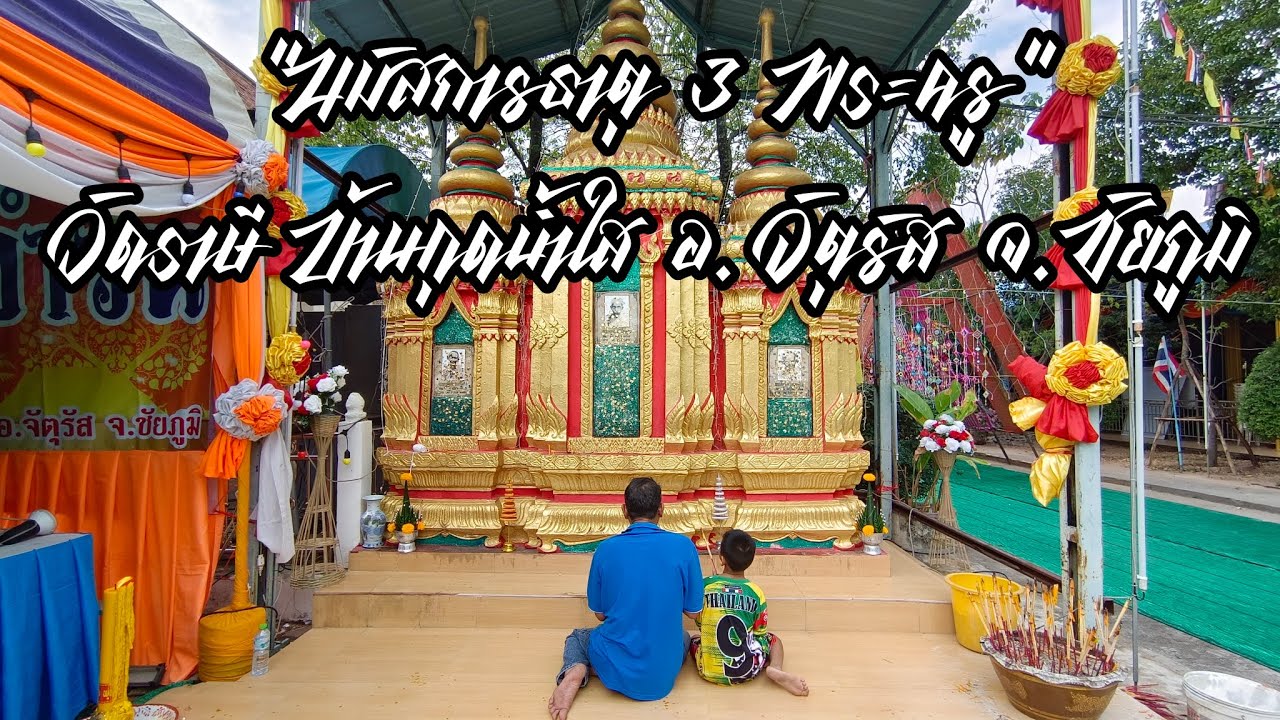
 Click to Access the Navigation Map GPS
 Art, Culture and Heritage
 Historical Sites and Monuments(1)
 Landmarks and Memorials(3)
 Royal Palace(1)
 Art, Craft Centres, Tradition(3)
 Educational Places
 Educational Gardens, Farm(1)
Temple(141)
Educational Gardens, Farm(1)
Temple(141)
 Other Sacred Sites(7)
 Suburban Living
 Village, Community(4)
 Nature and Wildlife
 National Parks and Marine Reserves(7)
 Mountain (Doi)(5)
 Dam, Reservoir, Lake(10)
 Waterfalls(15)
 Caves(5)
 River, Canal(4)
 Other natural attractions(1)
 Entertainment and Agricultural
 Farms, Parks and Ecotourism(2)


