
lovethailand home >North Travel Attractions >Uthai Thani Travel Attractions >Ban Rai >Kaen Makrut > Giant Tree Of Ban Sanam
TL;DR: Giant Tree Of Ban Sanam is located at Ban Sanam, Ban Rai Subdistrict, Ban Rai District, Uthai Thani Province, open Daily, hours Morning To Late Afternoon During Daylight Hours Is Recommended.
Giant Tree Of Ban Sanam
Open Days: Daily
Opening Hours: Morning To Late Afternoon During Daylight Hours Is Recommended
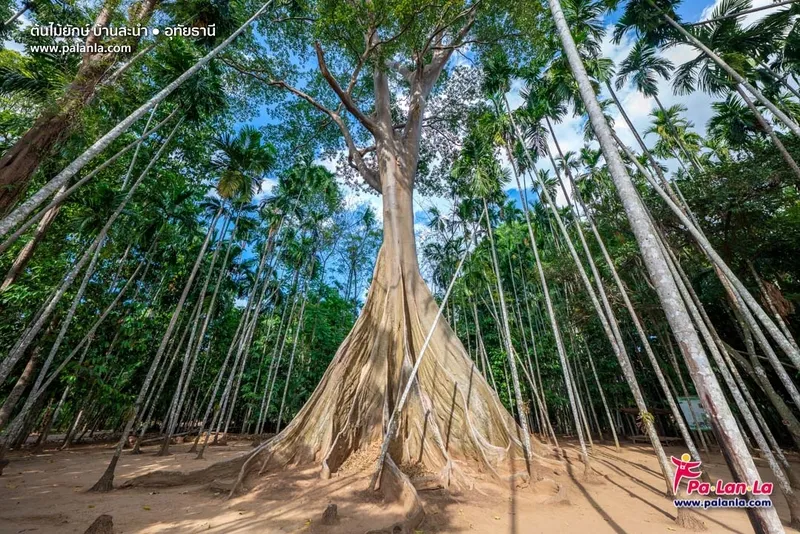
The Giant Tree Of Ban Sanam, also known locally as the giant siang tree or the bee tree, is one of Uthai Thani Province’s most impressive Unseen natural attractions. Located in Ban Sanam, Ban Rai District, this ancient tree is over 400 years old and stands in the middle of a peaceful betel nut grove. Its enormous trunk, dramatic buttress roots, and towering form make it a memorable destination for travelers who enjoy nature, photography, community tourism, and quiet forest atmospheres.
The Giant Tree of Ban Sanam is special because its beauty comes directly from nature rather than from man-made decoration. Visitors walking into the grove will see the massive trunk rising above the surrounding vegetation, while the huge buttress roots spread across the ground like natural walls. The scale of the tree immediately shows how long it has stood in this landscape and how deeply it is connected to the local environment.
Local people call the tree “ton siang” or “ton phueng”. The name “bee tree” comes from the fact that many bees live on or around the tree. This relationship between the tree and the bees reflects the richness of the local ecosystem. The tree is not only a photo landmark; it is also a living habitat that supports insects, birds, shade plants, and the wider forest environment around Ban Sanam.
The most striking feature of the tree is its powerful base. The buttress roots stretch outward in different directions, supporting the enormous trunk and creating natural sculptural forms. Walking around the base allows visitors to appreciate the texture, lines, and strength of the roots. The tree feels almost like a natural monument, shaped slowly by time, climate, soil, and forest conditions.
The atmosphere around the giant tree is cool, shaded, and calm. Because the tree stands among betel nut palms and local vegetation, the path to the site feels like a short walk into a green pocket of nature. The sounds of leaves, birds, and wind create a peaceful experience that suits travelers looking for a break from busy town areas. Visitors should take time to observe the trunk, roots, shade, and surrounding plants rather than rushing through the visit.
Ban Sanam is also culturally interesting because it is associated with the Lao Khrang community. A visit to the Giant Tree is therefore not only about seeing a large tree but also about entering a village landscape with its own identity, local knowledge, and community products. On Saturdays and Sundays, the entrance area becomes livelier with the Giant Tree Market, where villagers sell local food, clothing, herbs, basketry, and handmade products.
The Giant Tree Market adds warmth and community character to the visit. Travelers can stop before or after walking to the tree, try local snacks, buy handmade goods, and support village households directly. The market is simple but meaningful because many products come from household skills, local ingredients, and community traditions rather than mass tourism.
The Giant Tree of Ban Sanam is important for conservation. A tree that has lived for hundreds of years provides shade, habitat, ecological value, and a living connection between past and present. Its recognition as a valuable heritage tree highlights the importance of protecting large old trees as part of Thailand’s natural and cultural heritage. The local community’s role in caring for the site is essential to keeping the tree healthy and meaningful for future generations.
For photographers, the tree offers many strong compositions. Wide-angle shots can capture the full scale of the trunk and surrounding grove. Close-up images can focus on the textures and curves of the buttress roots. Including people in the frame helps show the true size of the tree. Morning and late afternoon are the best periods for softer light and a more peaceful atmosphere.
Visitors should treat the tree with respect. Do not climb on the roots, carve the bark, remove natural materials, leave trash, or disturb bees and wildlife. The buttress roots are part of the living structure of the tree, so they should not be stepped on or damaged unnecessarily. Responsible behavior helps preserve the tree and keeps the site suitable for future visitors.
Getting There is most convenient by private car. Travel to Ban Rai District in Uthai Thani Province, then continue to Ban Sanam in Ban Rai Subdistrict. Visitors can park near the entrance area around the Giant Tree Market and walk a short distance into the betel nut grove to reach the tree. Comfortable shoes are recommended because the path includes natural ground and roots.
Travelers coming from Uthai Thani town should allow enough time, as Ban Rai District is some distance from the provincial center. Leaving in the morning is recommended so there is enough time to visit the tree, explore the community market, take photos, and continue to nearby attractions in Ban Rai. Those who want to experience the community market should plan for a Saturday or Sunday visit.
The site is suitable for many types of visitors. Families can use the visit as an outdoor learning experience about old trees, roots, bees, and conservation. Photographers can capture the giant trunk and forest atmosphere. Cultural travelers can explore Lao Khrang community life and local products. Visitors who simply want a calm nature stop can enjoy the shade and quietness of the grove.
With more time, the Giant Tree can be included in a Ban Rai District itinerary together with Sao Hai Market, Wat Pha Tang, Wat Tham Khao Wong, Pang Sawan Weir, and other nearby nature or cultural sites. This gives travelers a fuller view of Ban Rai through nature, community life, temples, local markets, and rural landscapes.
Overall, the Giant Tree of Ban Sanam is more than a large old tree. It is a symbol of ecological richness, community care, and long-lasting natural memory. A visit here shows how a single tree can become a place of pride, learning, conservation, and local economic support. For travelers who want to experience a quieter and more meaningful side of Uthai Thani, this is one of Ban Rai’s most worthwhile stops.
| Name | The Giant Tree Of Ban Sanam / Giant Siang Tree / Bee Tree |
| Location | Ban Sanam, Ban Rai Subdistrict, Ban Rai District, Uthai Thani Province |
| Address | Ban Sanam, Ban Rai Subdistrict, Ban Rai District, Uthai Thani 61140, Thailand |
| Highlights | A giant siang or bee tree over 400 years old, huge buttress roots, betel nut grove, Ban Sanam Lao Khrang community, and the weekend Giant Tree Market |
| History / Importance | An ancient tree with natural, ecological, and community value, recognized as one of Ban Rai District’s Unseen attractions and an important heritage tree of Ban Sanam |
| Name Origin | Local people call it the siang tree or bee tree because many bees live on and around the tree, showing the richness of the surrounding ecosystem |
| Distinctive Features | Massive trunk, large buttress roots, very wide base, and a shaded setting in a betel nut grove |
| Travel Information | Travel to Ban Rai District, continue to Ban Sanam, park near the Giant Tree Market entrance area, then walk into the betel nut grove to reach the tree |
| Current Status | Open as a natural and community-based attraction; visitors should respect the tree, roots, bees, and surrounding village area |
| Open Days | Daily |
| Opening Hours | Morning to late afternoon during daylight hours is recommended |
| Fees | No admission fee |
| Facilities | Parking area near the Giant Tree Market entrance, walking path to the tree, weekend community market, local shops, and photo spots |
| Main Areas / Zones | Giant Tree Market, betel nut grove path, giant tree base, buttress root area, photo spots, and Ban Sanam community area |
| Caretaker / Local Authority | Ban Sanam Community and local authorities in Ban Rai Subdistrict, Ban Rai District |
| Official Website / Official Page | Tourism information reference: thai.tourismthailand.org |
| Nearby Tourist Attractions | 1. Sao Hai Market, about 6 km 2. Wat Pha Tang, about 8 km 3. Wat Tham Khao Wong, about 18 km 4. Pang Sawan Weir, about 28 km 5. Pha Rom Yen Waterfall, about 45 km |
| Nearby Restaurants | 1. Local Food Shops Around Giant Tree Market, about 1 km 2. Ban Sanam Community Food Shops, about 1 km 3. Food Shops And Cafes Around Sao Hai Market, about 6 km 4. Local Restaurants In Ban Rai District, about 10 km 5. Baan Suan Restaurant, about 12 km, Tel. 056-539061 |
| Nearby Accommodations | 1. Ban Rai Nai Suan, about 8 km 2. Ban Aunjai Resort, about 10 km 3. Plaifa Resort Ban Rai, about 12 km, Tel. 056-539-200 4. Baan Suan Resort Ban Rai, about 12 km, Tel. 056-539-060, 098-864-1258 5. Avartarn Miracles Hotel, about 28 km |
Frequently Asked Questions (FAQ)
Q: Where is the Giant Tree of Ban Sanam located?
A: It is located in Ban Sanam, Ban Rai Subdistrict, Ban Rai District, Uthai Thani Province.
Q: What kind of tree is the Giant Tree of Ban Sanam?
A: It is locally known as the siang tree or bee tree, an ancient giant tree that has become one of Ban Rai District’s Unseen natural attractions.
Q: How old is the Giant Tree of Ban Sanam?
A: The tree is over 400 years old and has a massive base that requires many people to encircle it.
Q: Why is it called the bee tree?
A: Local people call it the bee tree because many bees live on and around the tree, reflecting the healthy ecosystem of the area.
Q: Is there an entrance fee?
A: No. Visitors can enter without an admission fee, but they should keep the area clean and avoid disturbing the tree, roots, bees, and wildlife.
Q: When is the Giant Tree Market open?
A: The community market near the entrance is liveliest on Saturdays and Sundays, with local food, handmade products, herbs, and community goods.
Q: What should visitors prepare?
A: Comfortable walking shoes, drinking water, a hat, and a camera are recommended. Visitors should avoid climbing on roots or damaging any part of the tree.
Q: What nearby places can be visited with the Giant Tree?
A: Nearby places include Sao Hai Market, Wat Pha Tang, Wat Tham Khao Wong, Pang Sawan Weir, and other attractions in Ban Rai District.
 Category: ●Nature and Wildlife
 Group: ●Other natural attractions
Last Update : 5 MonthAgo
 Last Update : 5 MonthAgo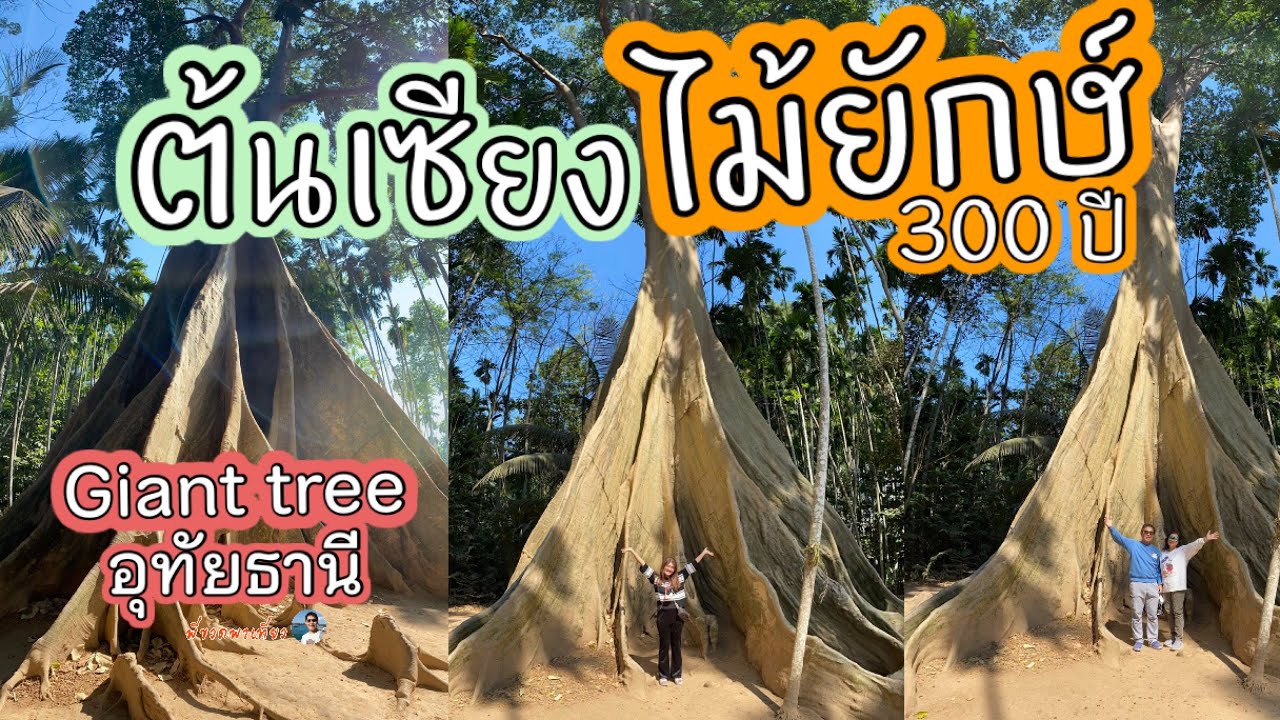
 Click to Access the Navigation Map GPS
Giant Tree Of Ban Sanam Map
Recommend

 Art, Culture and Heritage
 Historical Sites and Monuments(3)
 Landmarks and Memorials(1)
 Art, Craft Centres, Tradition(5)
 Museums(1)
 Places of Worship
 Temple(31)
 Other Sacred Sites(3)
 Suburban Living
 Village, Community(4)
 Local Market(1)
 National Parks and Marine Reserves(2)
 Mountain (Doi)(7)
 Dam, Reservoir, Lake(5)
 Waterfalls(5)
 Hot Springs(1)
 Caves(9)
 Flower Field(2)
 River, Canal(2)
 Islands(1)
Other natural attractions(1)
Islands(1)
Other natural attractions(1)
 Entertainment and Agricultural
 Farms, Parks and Ecotourism(2)
 Shopping
 Shopping and Night Market(1)
 Travel Articles, Recipes
 Travel Review, Food Review(1)


