
lovethailand home >North Travel Attractions >Uthai Thani Travel Attractions >Thap Than >Nong Ya Plong > Wat Don Wai
TL;DR: Wat Don Wai is located at Ban Don Wai, Moo 3, Nong Ya Plong Subdistrict, Thap Than District, Uthai Thani Province, open Daily, hours 08.00 – 17.00.
Wat Don Wai
Open Days: Daily
Opening Hours: 08.00 – 17.00
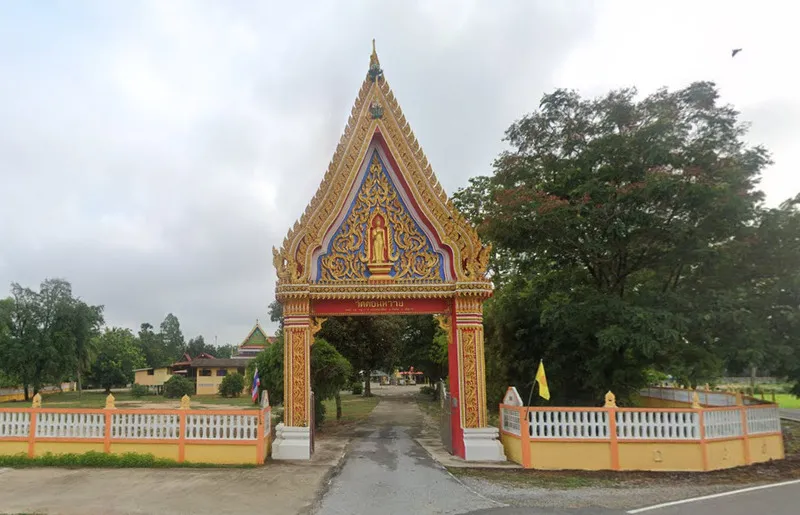
Wat Don Wai is a local Buddhist temple in Thap Than District, Uthai Thani Province. It is located at No. 48, Ban Don Wai, Moo 3, Nong Ya Plong Subdistrict, Thap Than District, along the Thap Than – Krok Phra Road, about 3 km from Thap Than District Office. The temple is important for both religious life and local craftsmanship, especially its large ordination hall built in 1927 during the time of Phra Khru Ulan Thammayut, also known as Luang Pho Muan, who served as abbot. The ubosot measures about 18 meters wide and 30 meters long, reflecting the faith and collective effort of the local community.
Wat Don Wai is suitable for travelers who want to explore a quieter side of Uthai Thani’s cultural heritage. It is not a large tourist temple, but it preserves valuable details of Thai religious architecture and wood craftsmanship. The most important artistic features are the carved teakwood pediment, doors, and windows of the ubosot, which display scenes and motifs from the Ramakien. These wooden carvings are not only beautiful decorative elements, but also evidence of traditional Thai craftsmanship, local devotion, and the relationship between literature, religion, and temple architecture.
The ubosot, or ordination hall, is the most important building in the temple. In Thai Buddhism, the ubosot is used for formal monastic ceremonies such as ordination and important Sangha rituals. The decision to build a large brick-and-mortar ubosot with elaborate teakwood carvings shows the importance of the temple as a spiritual center for the Don Wai community. A building of this kind represents more than architecture. It is a visible expression of collective faith, community identity, and the desire to preserve Buddhism for future generations.
The ubosot was renovated in 1999 to strengthen the structure and preserve its artistic value. Restoration is essential for old religious buildings because they are exposed to humidity, heat, rain, and long-term use by the community. The renovation allowed the temple to remain a living place of worship while still preserving the artistic elements that make it culturally meaningful. Visitors today can still appreciate the craftsmanship of the pediment, door panels, and window frames in a safer and more stable setting.
The carved teakwood work is the main highlight of Wat Don Wai. Teak has long been valued in Thai architecture because it is durable, strong, and suitable for fine carving. In the hands of skilled craftsmen, teak becomes more than construction material; it becomes a surface for religious meaning, narrative art, and decorative rhythm. The carvings at Wat Don Wai show how local temples can preserve high-quality craftsmanship outside major urban centers or royal temples.
The Ramakien motifs on the pediment, doors, and windows are especially important. The Ramakien, Thailand’s version of the Ramayana, is one of the most influential literary works in Thai art. In temple decoration, Ramakien scenes often symbolize moral struggle, loyalty, courage, duty, and the victory of righteousness over disorder. By placing Ramakien carvings on the ubosot, the temple connects Thai literature with Buddhist sacred space, creating a visual environment rich in cultural meaning.
The carved doors and windows also serve an architectural and symbolic function. They are not merely openings in the building. They mark the transition between the outside world and the sacred interior of the ubosot. Decorating these threshold areas with carved narrative motifs transforms the act of entering the building into a more meaningful experience. Visitors pass through a space shaped by craftsmanship, belief, and symbolic protection.
To appreciate the wood carvings properly, visitors should observe them slowly. The value of this work lies in the depth of the carving, the balance of the motifs, the flow of the lines, and the way the figures and patterns are arranged within the wooden surfaces. Good temple carving requires both artistic imagination and technical control. The craftsman must understand the grain of the wood, the strength of the material, and the correct proportion of the image so that the work remains durable and beautiful over time.
Wat Don Wai also reflects the role of Luang Pho Muan, or Phra Khru Ulan Thammayut, in the temple’s development. Since the ubosot was built during his time as abbot, his name remains connected with the temple’s most important structure. For the local community, the ubosot is not only an architectural object, but also a reminder of the monk and the generation of villagers who supported the temple’s growth.
As a community temple, Wat Don Wai continues to serve religious and social functions. It is a place for merit-making, Buddhist ceremonies, local traditions, family rituals, and community gatherings. Temples like this are essential to understanding rural Thailand because they show how Buddhism is woven into everyday life. The temple is a center of faith, memory, education, and local identity.
The atmosphere of Wat Don Wai is calm and modest. This makes it suitable for visitors who prefer quiet cultural sites rather than crowded attractions. The temple grounds allow travelers to walk slowly, pay respect, and study the artistic details of the ubosot. Photographers may find the carved woodwork especially interesting, but they should photograph with respect and avoid touching or leaning on the old wood, as historic temple carvings can be fragile.
Getting There is easiest by private car. From Thap Than District Office, take the Thap Than – Krok Phra Road for about 3 km to Ban Don Wai in Nong Ya Plong Subdistrict. The temple is close enough to Thap Than town to be visited as a short cultural stop. Travelers without a private car can use a local hired vehicle or motorcycle taxi from Thap Than town, and should agree on the return trip in advance.
Wat Don Wai can be included in a half-day cultural route around Thap Than District. Visitors can combine the temple with Wat Thap Than Watthanaram, Chao Pho Chao Mae Thap Than Shrine, local cafés, small restaurants, and nearby community landmarks. This route is ideal for travelers who want to see Uthai Thani beyond the old town and experience a quieter district temple with real artistic value.
Visitors should dress modestly when entering the temple. Shoulders and knees should be covered, and behavior inside the ubosot should remain quiet and respectful. The carved teakwood doors, windows, and pediment should not be touched. Photography should be done carefully, especially around old artworks or sacred spaces. Respectful travel helps preserve both the temple’s atmosphere and its cultural heritage.
For travelers interested in Thai art, Wat Don Wai is a useful example of how Ramakien motifs appear outside major national monuments. The temple shows that Thai literary and artistic traditions were not limited to Bangkok or large royal temples. They were also interpreted by local craftsmen in provincial communities, where religious architecture became a place for preserving both faith and cultural imagination.
In summary, Wat Don Wai is a meaningful cultural temple in Thap Than District, Uthai Thani Province. Its large ubosot built in 1927, teakwood carvings on the pediment, doors, and windows, Ramakien motifs, 1999 restoration, and continuing role as a community temple make it a worthwhile destination for visitors interested in Thai craftsmanship, Buddhist architecture, and local cultural heritage. A visit here offers not only a chance to make merit, but also a close look at the artistic skill and community faith that continue to shape rural temples in Thailand.
| Name | Wat Don Wai |
| Location | Ban Don Wai, Moo 3, Nong Ya Plong Subdistrict, Thap Than District, Uthai Thani Province |
| Address | No. 48, Ban Don Wai, Moo 3, Nong Ya Plong Subdistrict, Thap Than District, Uthai Thani Province, Along The Thap Than – Krok Phra Road |
| Coordinates | Approximately 15.46, 99.88 |
| Highlights | Large Ubosot Built In 1927, Carved Teakwood Pediment, Doors, And Windows, Ramakien Motifs, Local Thai Architecture, And A Peaceful Community Temple Atmosphere In Thap Than District |
| History | The Ubosot Was Built In 1927 During The Time Of Phra Khru Ulan Thammayut Or Luang Pho Muan As Abbot, And Was Renovated In 1999 To Preserve Its Structure And Artistic Value |
| Name Origin | The Name Is Connected With Ban Don Wai, A Local Community In Nong Ya Plong Subdistrict, Thap Than District |
| Distinctive Features | Notable For Teakwood Carvings On The Ubosot, Especially Ramakien Motifs That Reflect Thai Craftsmanship, Literature, And Religious Decoration |
| Travel Information | From Thap Than District Office, Take The Thap Than – Krok Phra Road For About 3 km. Travelers Without A Private Car Can Use A Local Hired Vehicle Or Motorcycle Taxi From Thap Than Town |
| Current Status | Open To Visitors And Worshippers |
| Open Days | Daily |
| Opening Hours | 08.00 – 17.00 |
| Fees | No Admission Fee |
| Facilities | Worship Area, Ubosot, Temple Courtyard, Community Activity Area, And Parking Area Within Or Near The Temple |
| Main Areas / Zones | 1. Large Ubosot 2. Carved Teakwood Pediment 3. Carved Teakwood Doors With Ramakien Motifs 4. Carved Teakwood Windows 5. Temple Courtyard And Religious Activity Area 6. Worship Area Associated With Luang Pho Muan Or Phra Khru Ulan Thammayut |
| Abbot / Caretaker | The Monastic Community Of Wat Don Wai, Nong Ya Plong Subdistrict, Thap Than District, Uthai Thani Province |
| Nearby Tourist Attractions | 1. Wat Thap Than Watthanaram, About 3 km 2. Chao Pho Chao Mae Thap Than Shrine, About 3 km 3. Phra Phuttha Metta Arch, Thap Than, About 4 km 4. Thap Than Municipal Health Park, About 4 km 5. Wat Khao Khok Kho, About 11 km 6. Wat Sangkat Rattana Khiri And Khao Sakae Krang, About 24 km |
| Nearby Restaurants | 1. CLEAN CAFE, About 3 km, Tel. 088-559-3156 2. Mom’s Secret Garden, About 4 km, Tel. 099-261-9666 3. Kuai Chap Je Ngueng Thap Than, About 3 km 4. Rom Khoi Cha & Coffee, About 4 km 5. Krua Suan Lung Porn, About 6 km |
| Nearby Accommodations | 1. Bunga Resort @ Thap Than, About 4 km, Tel. 081-973-0577 2. Homestay Thap Than, About 4 km, Tel. 088-156-4490 3. 4/7 Resort, About 4 km, Tel. 065-654-5098, 080-115-8845 4. Nam Hom Resort, About 17 km, Tel. 089-035-3637, 086-603-1122 5. Baan Ing Nam, Mueang Uthai Thani District, About 25 km, Tel. 0-5698-0199, 080-839-9499 |
Frequently Asked Questions (FAQ)
Q: Where Is Wat Don Wai Located?
A: Wat Don Wai is located at No. 48, Ban Don Wai, Moo 3, Nong Ya Plong Subdistrict, Thap Than District, Uthai Thani Province, along the Thap Than – Krok Phra Road.
Q: What Is Wat Don Wai Known For?
A: The temple is known for its large ubosot built in 1927 and the carved teakwood pediment, doors, and windows decorated with Ramakien motifs.
Q: Is There An Admission Fee At Wat Don Wai?
A: No. There is no admission fee for visiting the temple.
Q: When Was The Ubosot At Wat Don Wai Built?
A: The ubosot was built in 1927 during the time of Phra Khru Ulan Thammayut, also known as Luang Pho Muan, as abbot.
Q: When Was The Ubosot Restored?
A: The ubosot was renovated in 1999 to strengthen the structure and preserve its artistic value.
Q: How Can Visitors Get To Wat Don Wai?
A: From Thap Than District Office, take the Thap Than – Krok Phra Road for about 3 km. Visitors without a private car can use a local hired vehicle or motorcycle taxi from Thap Than town.
Q: How Long Should Visitors Spend At Wat Don Wai?
A: Around 30 minutes to 1 hour is suitable for paying respect, viewing the ubosot, and observing the carved teakwood details at a relaxed pace.
Q: What Nearby Places Can Visitors Combine With Wat Don Wai?
A: Nearby places include Wat Thap Than Watthanaram, Chao Pho Chao Mae Thap Than Shrine, Phra Phuttha Metta Arch, Wat Khao Khok Kho, and Wat Sangkat Rattana Khiri.
 Category: ●Places of Worship
 Group: ●Temple
Last Update : 4 MonthAgo
 Last Update : 4 MonthAgo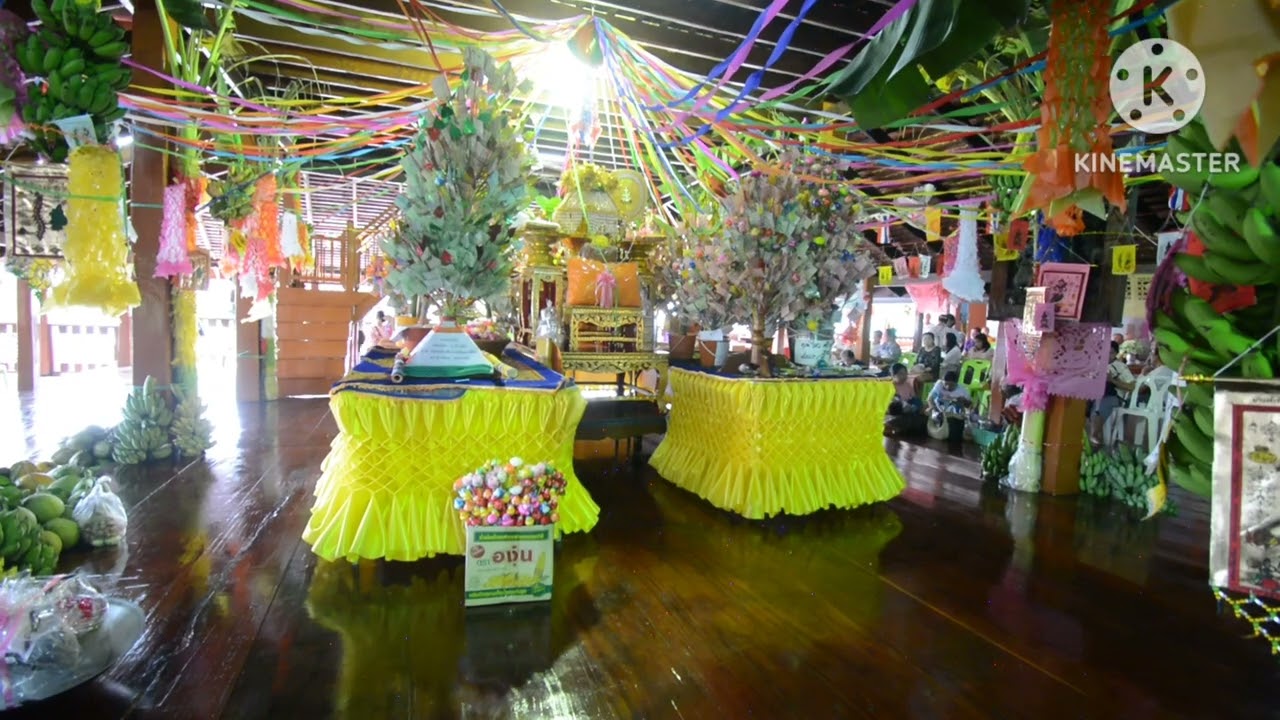
 Click to Access the Navigation Map GPS
Wat Don Wai Map
Recommend

 Art, Culture and Heritage
 Historical Sites and Monuments(3)
 Landmarks and Memorials(1)
 Art, Craft Centres, Tradition(5)
 Museums(1)
Temple(31)
Museums(1)
Temple(31)
 Other Sacred Sites(3)
 Suburban Living
 Village, Community(4)
 Local Market(1)
 Nature and Wildlife
 National Parks and Marine Reserves(2)
 Mountain (Doi)(7)
 Dam, Reservoir, Lake(5)
 Waterfalls(5)
 Hot Springs(1)
 Caves(9)
 Flower Field(2)
 River, Canal(2)
 Islands(1)
 Other natural attractions(1)
 Entertainment and Agricultural
 Farms, Parks and Ecotourism(2)
 Shopping
 Shopping and Night Market(1)
 Travel Articles, Recipes
 Travel Review, Food Review(1)


