
lovethailand home >North Travel Attractions >Uthai Thani Travel Attractions >Lan Sak >Rabam > Thap Salao Dam
TL;DR: Thap Salao Dam is located at Moo 6, Rabam Subdistrict, Lan Sak District, Uthai Thani Province, open Daily, hours Open All Day.

Thap Salao Dam
Open Days: Daily
Opening Hours: Open All Day
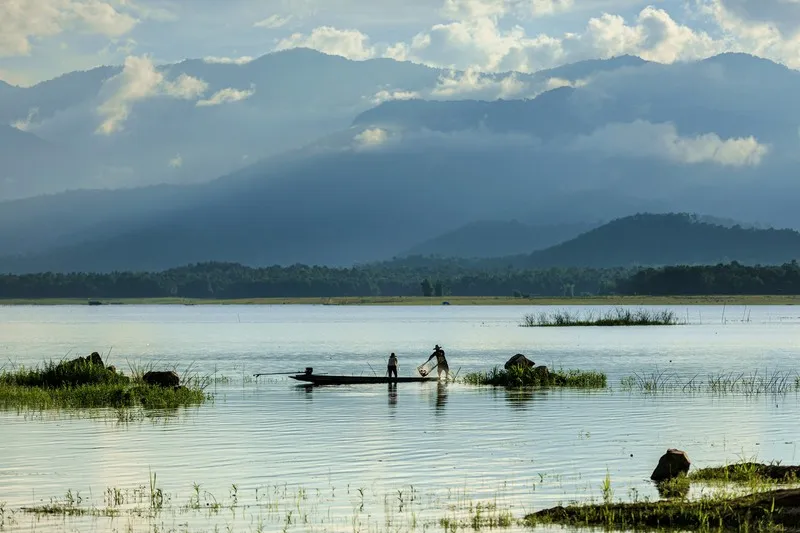
Thap Salao Dam, also known locally as Rabam Dam, is located in Moo 6, Rabam Subdistrict, Lan Sak District, Uthai Thani Province. It is one of the important irrigation dams in the area, built across Huai Thap Salao to store water for agriculture, local water management, and community livelihood. Above the dam, the stored water forms a large reservoir surrounded by layered mountains, dry dipterocarp forest, planted forest, and quiet rural scenery. For foreign travelers, Thap Salao Dam offers a peaceful nature experience away from crowded tourist routes, with wide water views, fresh air, mountain backdrops, and a calm atmosphere ideal for slow travel.
Thap Salao Dam is not only a scenic viewpoint. It is a working irrigation structure that supports local agriculture and helps manage water for nearby communities. The reservoir plays an important role in storing water for use during the dry season, helping farmers reduce the risk of water shortage and supporting cultivation in surrounding areas. At the same time, the reservoir has become a local recreation area where residents and travelers come to relax, take photos, enjoy food and drinks from welfare shops, stay overnight at welfare accommodation, and experience the natural scenery of Lan Sak District.
For travelers who want a quick summary, Thap Salao Dam is a large irrigation reservoir in Uthai Thani with beautiful views of water and mountains. It is suitable for sightseeing, photography, relaxing by the reservoir, learning about local water management, and taking a boat trip to observe wildlife and nature. The site is especially attractive in the early morning and late afternoon, when the light is soft and the reservoir reflects the surrounding hills. It is a good destination for families, photographers, couples, groups of friends, and travelers who enjoy quiet rural landscapes.
The dam was constructed during the late 1980s, beginning around 1985 and completed around 1988. Its main purpose was to impound Huai Thap Salao and create a water storage system for irrigation. The dam is an earth-fill irrigation dam, and its long crest crosses a landscape shaped by hills and valleys. When visitors stand near the dam crest or at a viewpoint, they can see the broad reservoir stretching toward the mountains. On clear days, the background of layered hills creates one of the most memorable views in Uthai Thani’s inland countryside.
The reservoir above the dam is important for local livelihoods. Water stored here supports agricultural activities, especially during periods when rainfall is limited. It also creates opportunities for local fishing. Many villagers around the reservoir catch fish for household consumption or additional income. This local fishing culture reflects the strong relationship between people and water in rural Thailand. For visitors, seeing fishing boats, wide water, and mountains in the background helps illustrate how the reservoir functions as both infrastructure and living landscape.
The southern area of Thap Salao Dam includes dry dipterocarp forest and planted forest. This gives the landscape a mix of water, woodland, open grassland, and hills. Dry dipterocarp forest is an important forest type in Thailand’s drier regions, with seasonal changes in color and vegetation. When combined with the reservoir, the area becomes visually diverse and ecologically interesting. Travelers who enjoy observing natural landscapes can see different textures in one place: still water, forest edges, mountain slopes, and open rural space.
The atmosphere of Thap Salao Dam is at its best in the morning and evening. In the morning, cool air and gentle light create a peaceful mood over the reservoir. In the evening, the sunlight turns warmer and the mountains gradually become silhouettes behind the water. These times are ideal for photography. Wide-angle shots of the reservoir, reflections on the water, boats, the dam crest, and the mountain backdrop can all be captured beautifully. Travelers who enjoy calm scenery rather than crowded attractions will find the dam especially rewarding.
Visitors can also relax around the welfare shop area and the reservoir-side rest zones. The site has basic visitor services, including food and drink shops and welfare accommodation. The experience here is simple rather than commercialized. Most visitors come to sit by the water, have a casual meal, take photos, enjoy the breeze, and spend time with family or friends. The dam is also popular with local people on weekends and holidays, giving foreign travelers a chance to see how local Thai families use reservoir areas for leisure and relaxation.
One of the more interesting activities is a boat trip from Wang Thong Pier on Thap Salao Reservoir. The late-afternoon boat trip allows visitors to see the reservoir from the water and observe the surrounding natural scenery from a different angle. The boat route is connected with nature and wildlife viewing, particularly along areas near forested land. Travelers should remain quiet, avoid disturbing wildlife, and follow the guidance of local boat operators. This activity is best suited for people who want a deeper nature experience beyond simply standing at a viewpoint.
Thap Salao Dam can be included in several travel routes around Lan Sak District. Nearby attractions include Hup Pa Tat, Khao Pla Ra, Ban I Mat-I Sai archaeological site, Tham Prathun Non-Hunting Area, Huai Kha Khaeng Wildlife Sanctuary, and Cyber Waterfall. A simple itinerary might begin with Hup Pa Tat in the morning, continue to nearby natural or archaeological sites during the day, and end at Thap Salao Dam in the late afternoon for sunset views. Travelers with more time may stay overnight near the dam or in Lan Sak District to enjoy a slower journey.
For photography, the dam offers several strong compositions. Visitors can photograph the wide reservoir, the dam crest, the mountain ridges, reflections on calm water, fishing boats, and the soft colors of sunrise or sunset. After rainy periods, the landscape often becomes greener and the water level may look fuller, while the cool season offers clearer air and comfortable temperatures. During the dry season, the water level may be lower, but the open landscape and mountain views remain attractive.
Families can use Thap Salao Dam as an outdoor learning stop. Children can learn how a reservoir stores water, how irrigation supports farming, and why water management is essential in rural communities. The site also helps explain the relationship between forests, water, agriculture, and local livelihood. For older visitors, the dam is also convenient because much of the scenery can be enjoyed without strenuous walking. They can sit, rest, enjoy the breeze, and view the reservoir from accessible areas.
Getting There is most convenient by private car. From Lan Sak District, follow Highway 3438 for about 15 kilometers. Around kilometer marker 47, turn toward the dam access road and continue for about 2 kilometers to reach the main viewing area. Travelers coming from Uthai Thani town should first head toward Lan Sak District and then continue to Rabam Subdistrict. A map application is recommended, especially for first-time visitors. The route is suitable for a day trip, but travelers who want to enjoy sunrise, sunset, or a boat trip may prefer staying overnight nearby.
The best period to visit is from the late rainy season to the cool season, when the reservoir scenery is fresh, the hills are greener, and the weather is more pleasant. The rainy season can also be beautiful, but travelers should check weather conditions and drive carefully. In the dry season, the water level may vary, yet the reservoir still offers open views, mountain scenery, and a peaceful atmosphere. Early morning and late afternoon remain the best times in most seasons.
Travelers should prepare drinking water, sun protection, a camera, and binoculars if they enjoy bird or wildlife observation. Those planning to take a boat trip should contact the local operator in advance and follow safety instructions throughout the journey. If staying overnight, it is advisable to reserve accommodation before arrival, especially on weekends, public holidays, and festival periods. The welfare accommodation near the reservoir is popular among local visitors who want to stay close to the water.
Thap Salao Dam is also connected with local community life. In some years, local events and festive activities take place around the reservoir area, including seasonal recreation and community gatherings. During Songkran, the reservoir area has long been associated with local leisure and water-related activities. This makes the dam more than an engineering structure; it is also a community space where people gather, relax, celebrate, and create shared memories.
Responsible travel is essential at Thap Salao Dam. Visitors should not leave trash, disturb wildlife, enter restricted operational areas, make excessive noise, or swim in unsafe zones. Since the dam is part of an irrigation and water-management system, safety rules and local instructions should always be respected. Keeping the area clean helps protect the reservoir, the surrounding forest, and the communities that depend on this water source.
Compared with Uthai Thani’s better-known temples, old-town streets, and limestone landscapes, Thap Salao Dam presents another important identity of the province: water, mountains, forests, and agricultural communities. It adds depth to any Uthai Thani itinerary by showing how natural scenery and irrigation infrastructure can exist together. The site is suitable for travelers who want to understand the province beyond its famous attractions and experience a quieter, more local side of central Thailand.
Overall, Thap Salao Dam is a valuable destination for nature travel, local learning, and relaxation. It combines irrigation, agriculture, community livelihood, reservoir scenery, forested surroundings, welfare accommodation, and boat-based nature activities in one place. For travelers seeking wide water views, mountain landscapes, quiet photography spots, and a meaningful rural experience in Uthai Thani Province, Thap Salao Dam is a worthwhile stop that should not be missed.
| Name | Thap Salao Dam / Rabam Dam |
| Location | Moo 6, Rabam Subdistrict, Lan Sak District, Uthai Thani Province |
| Address | Rabam Subdistrict, Lan Sak District, Uthai Thani 61160, Thailand |
| Highlights | Large reservoir, mountain views, dam crest viewpoint, nature scenery, welfare shops, reservoir accommodation, and boat-based nature observation |
| History | Construction began around 1985 and was completed around 1988. The dam was built across Huai Thap Salao to store water and support agricultural irrigation. |
| Name Origin | The name Thap Salao comes from Huai Thap Salao, the stream dammed by the project. Rabam Dam is the local name associated with Rabam Subdistrict. |
| Distinctive Features | A large earth-fill irrigation dam with a broad reservoir, mountain backdrop, dry dipterocarp forest, planted forest, and green recreational surroundings. |
| Travel Information | From Lan Sak District, take Highway 3438 for about 15 km. At around kilometer marker 47, turn into the dam access road and continue for about 2 km to the main viewing area. |
| Current Status | An irrigation dam, water storage area, recreation site, and nature attraction in Lan Sak District, Uthai Thani Province. |
| Open Days | Daily |
| Opening Hours | Open All Day |
| Facilities | Welfare shops, welfare accommodation, viewpoints, reservoir-side resting areas, and parking areas depending on site conditions. |
| Boat Activity | Wildlife and nature-viewing boat trip from Wang Thong Pier, Thap Salao Reservoir. Boat departure is around 16.00 – 18.00. Boat fee is 650 baht per boat for up to 3 passengers. |
| Main Areas / Zones | 1. Dam Crest And Main Viewpoint 2. Reservoir Area Above The Dam 3. Welfare Shop Area 4. Reservoir-Side Welfare Accommodation 5. Southern Dry Dipterocarp And Planted Forest Area 6. Wang Thong Pier And Boat Area 7. Reservoir-Side Photography And Resting Area |
| Caretaker | Thap Salao Operation And Maintenance Project, Royal Irrigation Department, together with local Rabam Subdistrict services for community tourism areas. |
| Main Contact Number | Thap Salao Dam Office, Tel. 056-579099, 056-579157 / Mr. Nipon Thep-arsa, Tel. 087-201-4894 / Rabam Subdistrict Administrative Organization, Tel. 056-510987 |
| Official Website / Official Page | www.rabum.go.th |
| Nearby Tourist Attractions | 1. Hup Pa Tat, about 24 km 2. Khao Pla Ra, about 25 km 3. Ban I Mat-I Sai Archaeological Site, about 27 km 4. Tham Prathun Non-Hunting Area, about 32 km 5. Huai Kha Khaeng Wildlife Sanctuary, about 38 km 6. Cyber Waterfall / Hin Lat Waterfall, about 50 km |
| Nearby Restaurants | 1. Thap Salao Dam Welfare Shops, about 1 km 2. Som Tam Oranong, about 2.5 km 3. Kuay Teow Ruea Chan Chao Kha & Nikhom Foresta Rong, Lan Sak, about 11 km 4. Mokaru, about 12 km 5. Kodang Steak & Bar, about 12 km 6. Nai Boom Restaurant, about 13 km 7. 4224 Home Cafe & Bistro, about 17 km |
| Nearby Accommodations | 1. Thap Salao Dam Welfare Accommodation, about 1 km, Tel. 056-579099, 056-579157, 087-201-4894 2. Baan Saen Suk Resort, about 13 km 3. Khao Nam Na Resort, Lan Sak District, about 20 km, Tel. 092-257-6030 4. Phu Khao Chom Chan 168, about 27 km 5. Baan Chai Khao Homestay, about 35 km, Tel. 096-008-9949 6. Huai Kha Khaeng Country Home Resort, about 45 km, Tel. 093-464-6355, 080-193-5697, 080-141-5941 |
Frequently Asked Questions (FAQ)
Q: Where is Thap Salao Dam located?
A: Thap Salao Dam is located in Moo 6, Rabam Subdistrict, Lan Sak District, Uthai Thani Province. It is an irrigation dam built across Huai Thap Salao.
Q: What makes Thap Salao Dam worth visiting?
A: The dam is known for its wide reservoir, mountain views, peaceful atmosphere, dry dipterocarp forest, welfare shops, reservoir accommodation, and boat-based nature activities.
Q: When is the best time to visit Thap Salao Dam?
A: Early morning and late afternoon are best for views and photography. The late rainy season to the cool season is especially pleasant because the scenery is greener and the weather is cooler.
Q: How can travelers get to Thap Salao Dam?
A: From Lan Sak District, take Highway 3438 for about 15 km, then turn near kilometer marker 47 and continue about 2 km to the dam area. Private car is the most convenient option.
Q: Is there a boat activity at Thap Salao Dam?
A: Yes. Visitors can take a nature and wildlife-viewing boat trip from Wang Thong Pier. The boat usually departs around 16.00 – 18.00 and costs 650 baht per boat for up to 3 passengers.
Q: Are there accommodations at Thap Salao Dam?
A: Yes. Welfare accommodation is available near the reservoir, and there are additional resorts and homestays in Lan Sak District and nearby areas. Advance booking is recommended on holidays.
Q: Who should visit Thap Salao Dam?
A: It is suitable for families, couples, photographers, nature lovers, slow travelers, and anyone interested in irrigation, water management, rural communities, and scenic reservoir landscapes.
Q: What nearby attractions can be combined with Thap Salao Dam?
A: Nearby attractions include Hup Pa Tat, Khao Pla Ra, Ban I Mat-I Sai Archaeological Site, Tham Prathun Non-Hunting Area, Huai Kha Khaeng Wildlife Sanctuary, and Cyber Waterfall.
 Category: ●Nature and Wildlife
 Group: ●Dam, Reservoir, Lake
Last Update : 5 MonthAgo
 Last Update : 5 MonthAgo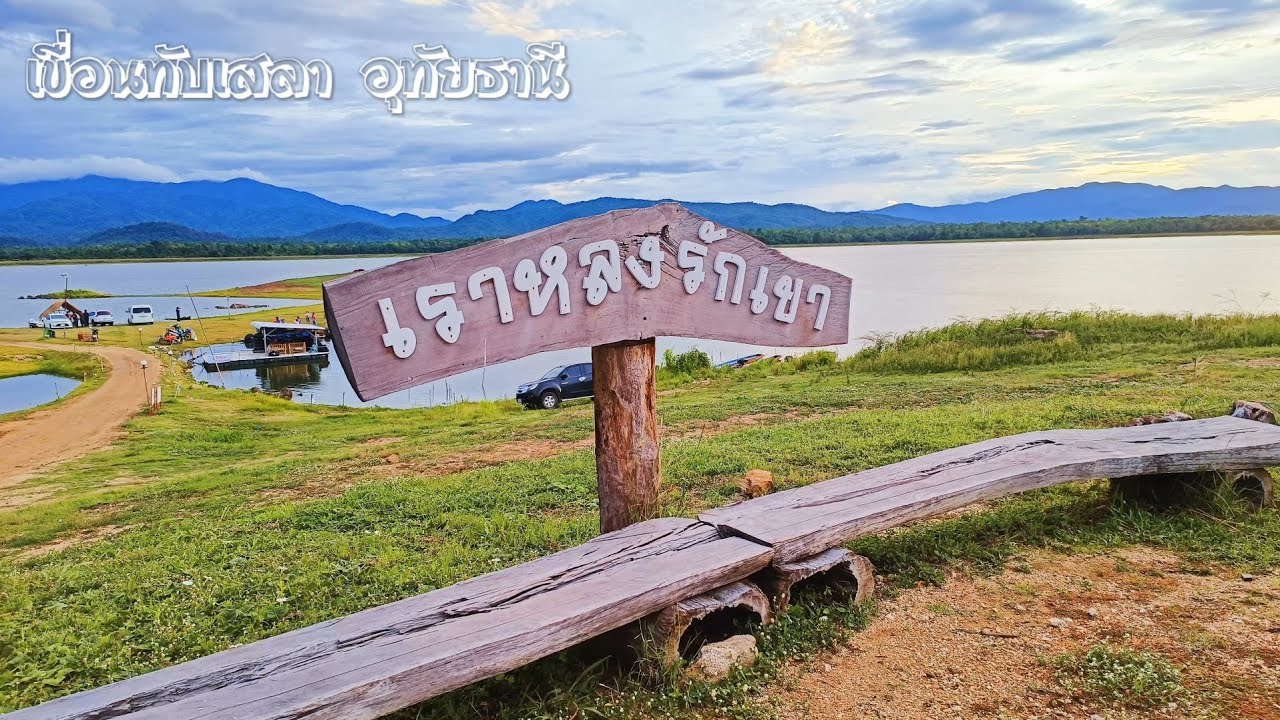
 Click to Access the Navigation Map GPS
Thap Salao Dam Map
Recommend

 Art, Culture and Heritage
 Historical Sites and Monuments(3)
 Landmarks and Memorials(1)
 Art, Craft Centres, Tradition(5)
 Museums(1)
 Places of Worship
 Temple(31)
 Other Sacred Sites(3)
 Suburban Living
 Village, Community(4)
 Local Market(1)
 National Parks and Marine Reserves(2)
 Mountain (Doi)(7)
Dam, Reservoir, Lake(5)
Mountain (Doi)(7)
Dam, Reservoir, Lake(5)
 Waterfalls(5)
 Hot Springs(1)
 Caves(9)
 Flower Field(2)
 River, Canal(2)
 Islands(1)
 Other natural attractions(1)
 Entertainment and Agricultural
 Farms, Parks and Ecotourism(2)
 Shopping
 Shopping and Night Market(1)
 Travel Articles, Recipes
 Travel Review, Food Review(1)


