
lovethailand home >North Travel Attractions >Uthai Thani Travel Attractions >Ban Rai >Kaen Makrut > Ban I Mat-I Sai Hill Tribe Cultural Center
TL;DR: Ban I Mat-I Sai Hill Tribe Cultural Center is located at Mu 4, Ban I Mat-I Sai, Kaen Makrut Subdistrict, Ban Rai District, Uthai Thani Province, open Daily, hours Daytime Visit Recommended; Advance Contact During Office Hours Is Recommended.
Ban I Mat-I Sai Hill Tribe Cultural Center
Open Days: Daily
Opening Hours: Daytime Visit Recommended; Advance Contact During Office Hours Is Recommended
Ban I Mat-I Sai Hill Tribe Cultural Center is located at Mu 4, Kaen Makrut Subdistrict, Ban Rai District, Uthai Thani Province. It is an important cultural learning site dedicated to the preservation and presentation of Karen community life in the highland area of western Uthai Thani. Surrounded by mountain landscapes, cool air, seasonal agriculture, and communities near the Huai Kha Khaeng forest area, the center offers travelers a meaningful opportunity to understand the relationship between people, forest, agriculture, belief, and local identity. For foreign visitors who want to experience Thai culture beyond temples and city attractions, Ban I Mat-I Sai provides a calm and authentic window into highland Karen life.
The center plays an important role in preserving and sharing the culture of Karen people in Kaen Makrut. The community is known for its simple and peaceful way of life, shaped by respect for nature and strong community relationships. Local life is closely connected with seasonal farming, handwoven textiles, bamboo craft, traditional rituals, and a deep awareness of the surrounding environment. A visit to the center is therefore not just a sightseeing stop. It is a chance to learn from a living community that continues to maintain its cultural roots while adapting carefully to tourism and modern change.
One of the most distinctive qualities of Ban I Mat-I Sai is that the community still preserves many aspects of its traditional way of life. Visitors can observe local houses, farming areas, household tools, woven textiles, bamboo utensils, and community spaces that reflect a quiet highland lifestyle. The peaceful atmosphere of the village is supported by local social rules, including restrictions on gambling and alcohol. These practices help maintain the calm environment of the community and make the area suitable for cultural learning and respectful travel.
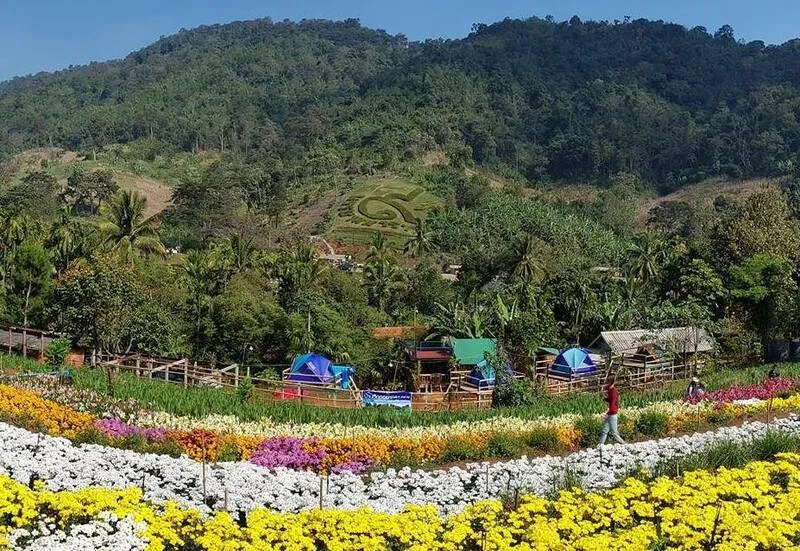
Kaen Makrut is cooler than the lowland areas of Uthai Thani. Because of this, the surrounding area is known for seasonal highland crops and winter flowers. In some seasons, visitors may see vegetable plots, flower fields, strawberries, and other agricultural products grown in the mountain climate. From December to January, Kaen Makrut often attracts travelers who want to enjoy cool weather, highland scenery, and seasonal produce. This makes Ban I Mat-I Sai part of a wider travel experience that combines culture, nature, and agriculture.
Inside the cultural center, visitors can learn about Karen history, tools, clothing, crafts, and everyday life through displays and local interpretation. The hill tribe museum presents objects that are directly connected with work, food, textiles, farming, and community life. These objects should not be seen merely as old items. They are cultural evidence of how people have lived with the land, made practical tools, managed resources, and created beauty from local materials.
Handwoven textiles are among the most important cultural products of the Karen community. Patterns, colors, and weaving techniques reflect identity, skill, age, status, and local aesthetics. Some textiles use colors inspired by nature or traditional dyeing knowledge. Buying woven cloth directly from the community supports local income and helps preserve women’s knowledge, intergenerational craft learning, and the cultural value of textile production. It also allows visitors to bring home an item with real meaning rather than a mass-produced souvenir.
Bamboo craft is another important expression of local knowledge. Bamboo is widely used in traditional communities because it is strong, flexible, and available in the surrounding environment. Baskets, household items, and simple tools made from bamboo show how the community uses natural materials with care and efficiency. These crafts demonstrate the practical intelligence of highland life, where every object is designed to suit real use.
Important community traditions include the pagoda worship ceremony and the sacred Bodhi tree worship ceremony, usually held in April. The exact dates depend on community readiness, especially after agricultural harvests have been completed. These events are not only religious or ritual activities. They are also moments when family members who live elsewhere return home, reconnect with relatives, and strengthen community bonds. For the Karen community, tradition is deeply connected with family, ancestors, sacred places, and the rhythm of agricultural life.
The pagoda worship ceremony includes beautiful forms of local performance such as circle dancing and sword dancing. These performances are not simply entertainment. They express respect, community strength, rhythm, and shared cultural memory. Visitors who have the opportunity to attend should behave respectfully, avoid interrupting the ceremony, and ask permission before taking close photographs of people or ritual activities.
The sacred Bodhi tree worship ceremony reflects the connection between people and nature. The Bodhi tree is not treated as an ordinary tree. It represents shade, stability, sacredness, and the spiritual life of the community. When relatives return to join the ceremony, the event becomes both a religious practice and a family reunion. This is one of the reasons why the traditions of Ban I Mat-I Sai remain meaningful and alive.
The relationship between the Karen community and the natural environment is central to understanding this place. The village is near the Huai Kha Khaeng forest region, one of Thailand’s most important natural areas. Local people have long understood the need to balance livelihood, agriculture, and conservation. Respect for mountains, trees, water sources, and forest boundaries is part of the cultural foundation of life in this highland area.
Travelers should remember that Ban I Mat-I Sai is a real community, not a staged attraction. Houses, farms, tools, and ceremonies all belong to the people who live there. Visitors should not enter private spaces without permission, touch household objects carelessly, make loud noise, or photograph people without asking. Good cultural travel begins with respect. When visitors approach the community with humility, they receive a richer and more meaningful experience.
Staying overnight in the community allows visitors to understand Ban I Mat-I Sai more deeply than a short stop would. Travelers may stay in Karen homes, local homestays, nearby community accommodation, or facilities associated with the cultural center, depending on availability and prior coordination. Overnight stays offer a chance to experience the rhythm of village life, local meals, cool mountain air, and quiet evenings. The experience is simple but memorable.
Visitors should understand that community accommodation is different from a hotel. Facilities may be basic, but the value lies in local hospitality, home-style food, conversation, and direct cultural learning. Travelers should bring personal items, medication, warm clothing during cool months, a flashlight, and cash. In remote highland areas, digital payment and large shops may not always be available.
Local food is another way to experience Karen culture. Meals often use seasonal vegetables, highland produce, herbs, and ingredients grown or gathered nearby. The flavors are usually simple, fresh, and connected to the environment. Eating with local hosts helps visitors understand how climate, agriculture, economy, and culture are reflected in everyday food.
Near the cultural center is Tham Kret Dao, a cave located less than 1 km beyond Ban I Mat-I Sai Hill Tribe Cultural Center. Inside the cave, stone surfaces sparkle under flashlight beams, creating an effect that resembles stars. Visitors should prepare a flashlight, wear suitable shoes, and ask local people for guidance before entering. Some parts involve bamboo stairs or uneven ground, so caution is necessary. A visit to the cave can be combined with the cultural center for a richer nature-and-culture route.
Kaen Makrut is also known for winter flowers and highland agricultural scenery. Travelers visiting between December and January may enjoy cooler weather, flower displays, vegetable fields, and seasonal crops. This gives Uthai Thani a different character from the riverside image of the provincial town. Here, the province appears as a mountain destination with culture, farming, and nature closely linked together.
Getting There starts from Ban Rai District. Take Highway 3011 on the Ban Rai-Phu Bon route for about 20 km. After the paved road ends, continue on a compacted dirt road for about 1 km. The route is suitable for private cars, rental cars, or local songthaew vehicles familiar with the area. During the rainy season, road conditions should be checked in advance because the dirt-road section may become slippery or uneven.
Travelers coming from Uthai Thani town should allow enough time because Kaen Makrut is in Ban Rai District, quite far from the provincial town. Leaving early in the morning is recommended. This allows time to visit the cultural center, walk through the museum, buy community products, continue to Tham Kret Dao, and enjoy the mountain atmosphere without rushing. If planning to stay overnight, visitors should contact the community or accommodation providers in advance, especially during the cool season or festival periods.
Useful items to prepare include comfortable walking shoes, warm clothing in the cool season, personal medication, a flashlight for those visiting Tham Kret Dao, reusable bags to reduce waste, and cash for community products or local services. Dressing respectfully is recommended because visitors are entering a real ethnic community. Small acts of respect help make tourism more comfortable for both visitors and hosts.
Buying local products is one of the most direct ways to support the community. Recommended items include handwoven textiles, bamboo crafts, handmade products, and seasonal agricultural produce. These purchases help distribute income locally and encourage younger generations to continue learning traditional skills. Community products should be understood as the work of real people and as part of cultural preservation.
Ban I Mat-I Sai Hill Tribe Cultural Center is suitable for many types of travelers: families who want children to learn about ethnic culture, students studying local traditions, nature lovers, craft enthusiasts, cultural travelers, and people looking for a peaceful community stay. The experience becomes more valuable when visitors slow down, listen, ask respectfully, and allow the community’s way of life to speak for itself.
It is important not to treat Karen culture as something exotic for photography. The community has dignity, history, knowledge, and the right to define its own way of life. Responsible cultural tourism should not make local people feel observed or displayed. Visitors should listen, learn, and respect boundaries. When practiced properly, tourism can support cultural preservation rather than disturb it.
A good Ban Rai travel route can include Ban I Mat-I Sai Hill Tribe Cultural Center, Tham Kret Dao, Kaen Makrut highland flower areas, Wat Tham Khao Wong, Pha Rom Yen Waterfall, Saw Hai Market, and other local agricultural areas. This route is best enjoyed over 2 days and 1 night or longer because travel time is significant and the experience is richer when visitors do not rush.
In summary, Ban I Mat-I Sai Hill Tribe Cultural Center is one of the most valuable cultural learning sites in Uthai Thani. It brings together the Karen way of life, a hill tribe museum, April community ceremonies, pagoda worship, Bodhi tree worship, woven textiles, bamboo crafts, seasonal agriculture, homestay experiences, and the natural beauty of the highlands. A visit here is not only a trip to a destination, but a chance to understand how one community continues to preserve its cultural roots while living within the changing world.
| Name | Ban I Mat-I Sai Hill Tribe Cultural Center |
| Location | Mu 4, Ban I Mat-I Sai, Kaen Makrut Subdistrict, Ban Rai District, Uthai Thani Province |
| Address | Highway 3011, Kaen Makrut Subdistrict, Ban Rai District, Uthai Thani 61140, Thailand |
| Highlights | Karen cultural learning site with hill tribe museum, handwoven textiles, bamboo crafts, highland farming, April community ceremonies, and homestay experiences |
| Distinctive Features | Peaceful Karen highland community near the Huai Kha Khaeng forest region, known for simple living, cool weather, traditional customs, and respect for nature |
| Important Traditions | Pagoda worship ceremony and Bodhi tree worship ceremony, usually held in April depending on community readiness after the agricultural harvest |
| Activities | Visit the hill tribe museum, learn about Karen life, buy woven textiles and bamboo crafts, explore highland crops, stay in homestays, and continue to Tham Kret Dao |
| Travel Information | From Ban Rai District, take Highway 3011 on the Ban Rai-Phu Bon route for about 20 km, then continue along the end of the paved road and another 1 km of compacted dirt road. |
| Current Status | Active cultural learning and community tourism site presenting the Karen way of life in Kaen Makrut Subdistrict |
| Open Days | Daily |
| Opening Hours | Daytime Visit Recommended; Advance Contact During Office Hours Is Recommended |
| Fees | No official admission fee information listed |
| Facilities | Hill tribe museum, community homestays by arrangement, handmade products, seasonal agricultural products, and cultural learning areas |
| Main Areas / Zones | Hill tribe museum, Karen houses, textile and bamboo craft areas, community product area, highland farming plots, accommodation area, and route to Tham Kret Dao |
| Caretaker / Main Contact | Hill Tribe Development And Welfare Center / Contact During Office Hours, Tel. 0-5651-2026 |
| Nearby Tourist Attractions | 1. Tham Kret Dao, about 1 km 2. Kaen Makrut Highland Flower Area, about 2 km 3. Baan Tid Doi I Mat-I Sai, about 3 km 4. Wat Tham Khao Wong, about 35 km 5. Pha Rom Yen Waterfall, about 36 km 6. Saw Hai Market Ban Rai, about 24 km |
| Nearby Restaurants | 1. Baan Suan Restaurant Ban Rai, about 25 km, Tel. 056-539-061 2. Lemone Cafe & Resort Ban Rai, about 25 km 3. Café de Sua Mueang Karung, about 35 km, Tel. 093-416-3567 4. Kuai Tiao Rim Sa Karung, about 36 km, Tel. 097-038-6008 5. Kuai Tiao 9 Baht Mueang Karung, about 36 km, Tel. 099-142-6668 |
| Nearby Accommodations | 1. Ban I Mat-I Sai Community Homestays, about 0 km 2. Baan Tid Doi I Mat-I Sai, about 3 km 3. Tree Stone House Ban Rai, about 24 km 4. Baan Suan Resort Ban Rai, about 25 km, Tel. 056-539-060, 098-864-1258 5. Lemone Cafe & Resort Ban Rai, about 25 km |
Frequently Asked Questions (FAQ)
Q: Where is Ban I Mat-I Sai Hill Tribe Cultural Center located?
A: It is located at Mu 4, Ban I Mat-I Sai, Kaen Makrut Subdistrict, Ban Rai District, Uthai Thani Province.
Q: What can visitors see at the cultural center?
A: Visitors can see the hill tribe museum, Karen lifestyle displays, handwoven textiles, bamboo crafts, seasonal agricultural products, homestay life, and the peaceful highland community atmosphere.
Q: When are the main community traditions held?
A: The main traditions are the pagoda worship ceremony and Bodhi tree worship ceremony, usually held in April depending on community readiness after the harvest season.
Q: Can visitors stay overnight in the community?
A: Yes. Overnight stays may be arranged in Karen homes, homestays, or community accommodation, depending on availability and advance coordination.
Q: How do travelers get to Ban I Mat-I Sai Hill Tribe Cultural Center?
A: From Ban Rai District, take Highway 3011 on the Ban Rai-Phu Bon route for about 20 km, then continue along the end of the paved road and another 1 km of compacted dirt road.
Q: Who should visit this cultural center?
A: It is suitable for cultural travelers, families, students, nature lovers, craft enthusiasts, and visitors who want to support community-based tourism.
Q: What should visitors prepare before going?
A: Visitors should bring comfortable walking shoes, warm clothing in the cool season, personal medication, a flashlight for Tham Kret Dao, cash, and should contact the community in advance for homestays or activities.
Q: Are there nearby attractions?
A: Yes. Nearby places include Tham Kret Dao, Kaen Makrut highland flower areas, Wat Tham Khao Wong, Pha Rom Yen Waterfall, and Saw Hai Market in Ban Rai.
Tel : 056512026
 Tel : 056512026
 Category: ●Art, Culture and Heritage
 Group: ●Art, Craft Centres, Tradition
Last Update : 4 MonthAgo
 Last Update : 4 MonthAgo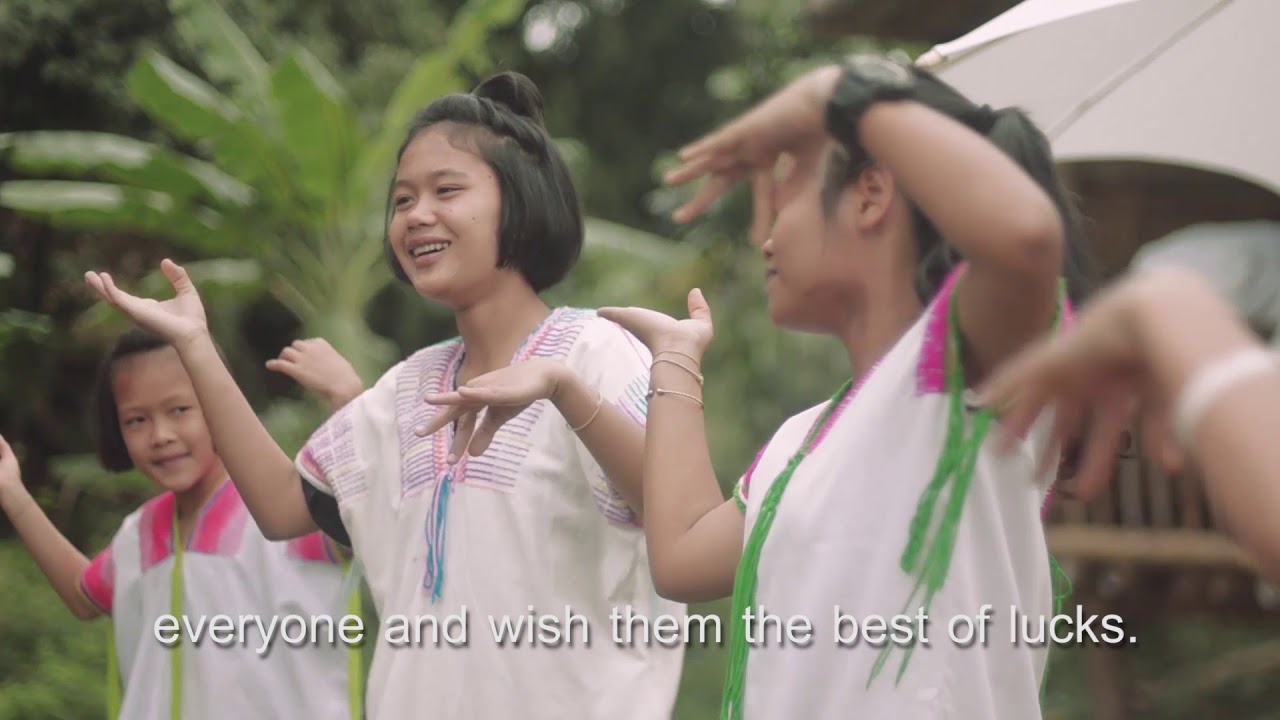
 Click to Access the Navigation Map GPS
Ban I Mat-I Sai Hill Tribe Cultural Center Map
Recommend

 Historical Sites and Monuments(3)
 Landmarks and Memorials(1)
Art, Craft Centres, Tradition(5)
Landmarks and Memorials(1)
Art, Craft Centres, Tradition(5)
 Museums(1)
 Places of Worship
 Temple(31)
 Other Sacred Sites(3)
 Suburban Living
 Village, Community(4)
 Local Market(1)
 Nature and Wildlife
 National Parks and Marine Reserves(2)
 Mountain (Doi)(7)
 Dam, Reservoir, Lake(5)
 Waterfalls(5)
 Hot Springs(1)
 Caves(9)
 Flower Field(2)
 River, Canal(2)
 Islands(1)
 Other natural attractions(1)
 Entertainment and Agricultural
 Farms, Parks and Ecotourism(2)
 Shopping
 Shopping and Night Market(1)


