
lovethailand home >North Travel Attractions >Uthai Thani Travel Attractions >Ban Rai >Wang Hin > Wat Khao Wong Phrommachan
TL;DR: Wat Khao Wong Phrommachan is located at Wang Hin Subdistrict, Ban Rai District, Uthai Thani Province, open Daily, hours Best Visited During Daylight Hours.
Wat Khao Wong Phrommachan
Open Days: Daily
Opening Hours: Best Visited During Daylight Hours
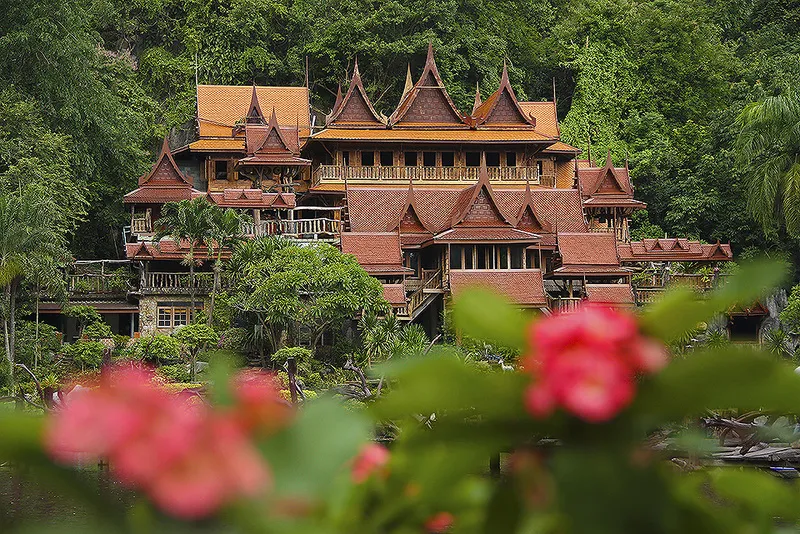
Wat Khao Wong Phrommachan in Uthai Thani Province is a distinctive Buddhist temple and nature-based destination located in Wang Hin Subdistrict, Ban Rai District. The temple sits between 2 mountains, Khao Wong and Khao Phrommachan, giving the entire area a peaceful valley atmosphere surrounded by forest, limestone hills, natural caves, and local wildlife. For foreign travelers who enjoy quiet temples, caves, meditation spaces, and ecological learning, Wat Khao Wong Phrommachan offers a deep and slow travel experience away from crowded tourist routes.
The main character of Wat Khao Wong Phrommachan comes from the way Buddhism, mountains, caves, forests, and local belief exist together. The temple is not only a place for worship, but also a natural learning area where visitors can explore cave systems, observe forest plants, listen to natural sounds, and experience the calm atmosphere of a Buddhist temple in a mountain valley. Its setting between Khao Wong and Khao Phrommachan gives the temple a secluded and contemplative quality.
The route to Wat Khao Wong Phrommachan follows the same access road as Wat Khao Tham Taphap. From the Wat Khao Tham Taphap area, continue for about 7 kilometers, then turn left for another 1 kilometer to reach the temple. The road passes hills, natural forest, and rural landscapes in Wang Hin Subdistrict. A private car, rental car, or local hired vehicle from Ban Rai District is the most practical way to visit.
Getting There from Uthai Thani town is best done by taking Highway 333 toward Ban Rai District and then continuing toward the route used for Wat Khao Tham Taphap. After passing the Wat Khao Tham Taphap area, continue about 7 kilometers and turn left for about 1 kilometer. Because the final route passes through hilly and natural terrain, visitors should travel during daylight hours and drive carefully, especially around curves and slopes.
Upon arrival, visitors will immediately notice the quiet natural atmosphere. Wat Khao Wong Phrommachan does not feel like a commercial tourist site. Instead, it feels like a retreat surrounded by mountains, trees, and cave landscapes. This makes the temple suitable for slow travel, meditation, nature observation, and cultural visits that require time and attentiveness.
Tham Chaeng is one of the important caves at Wat Khao Wong Phrommachan. Its name refers to brightness because the cave has an opening above, allowing natural light to enter throughout the day. The sunlight creates a calm and open atmosphere inside the cave, making it less dark and enclosed than many other caves. For visitors new to cave exploration, Tham Chaeng is a good introduction to the temple’s cave environment.
Tham Chaeng is also suitable for meditation and quiet reflection. The natural light gives the cave a gentle and peaceful mood. Visitors can sit quietly, observe their breathing, and listen to the surrounding sounds of nature. Since the cave may be used for spiritual purposes, visitors should keep quiet and avoid disturbing anyone who may be practicing meditation.
Tham Ngu Lueam, or Python Cave, is another cave with a strong natural identity. The cave is known as a habitat for pythons. This makes it an interesting place for learning about wildlife, but it also requires caution. Visitors should not approach, touch, disturb, or attempt to photograph wildlife too closely. The cave is part of a living ecosystem, and respectful behavior is essential.
The presence of pythons, bats, birds, squirrels, and other small animals shows that Wat Khao Wong Phrommachan is more than a temple site. It is also part of a mountain ecosystem. Visitors should avoid loud noise, littering, and any action that may disturb the natural habitat. Responsible travel here means respecting both Buddhist space and wildlife.
Tham Nam, or Water Cave, changes noticeably with the seasons. It contains water throughout the year. During the dry season, the water may be around knee level, while in the rainy season it may rise to chest level. This makes the cave a valuable example of seasonal water movement within a mountain cave system. Visitors should ask about current conditions before entering, especially during the rainy season.
The value of Tham Nam lies not only in its unusual water-filled character, but also in its ecological meaning. It shows how rainfall, rock channels, underground spaces, and seasonal changes shape cave environments. Visitors interested in geography, ecology, or natural systems can learn a great deal from observing this type of cave carefully.
Tham Phet and Tham Phloi are the most visually impressive caves for those who appreciate stalactites and stalagmites. Their names refer to diamonds and gems because the rock formations can sparkle when light touches them. These caves reveal the beauty of natural mineral deposits formed slowly over a very long period of time. The experience can feel like entering a hidden underground gallery shaped by nature.
Visitors should enter Tham Kaeo and Tham Phet with a local guide or someone familiar with the cave route. Some cave sections may be narrow, slippery, uneven, or difficult to understand without guidance. A guide can help visitors move safely and explain the formation of stalactites and stalagmites, the age of rock formations, and the importance of cave conservation.
Stalactites and stalagmites inside the caves are fragile natural formations. Visitors should look without touching, avoid breaking or collecting anything, and never write on cave walls. Even small damage can affect formations that may have taken hundreds or thousands of years to develop. Cave conservation is an essential part of visiting Wat Khao Wong Phrommachan responsibly.
The temple landscape also includes a high rock overhang on the right side of the walking route. A small mondop stands gracefully on this rock, adding a sacred element to the natural cliff. This small structure transforms the rock formation into a spiritual landmark and gives visitors a place to pause, look up, and appreciate the relationship between Buddhist architecture and natural stone.
On the hillside, a small ordination hall is positioned in harmony with the mountain landscape. Its value does not come from size, but from its placement and relationship with the natural setting. The building reflects the character of a forest or mountain temple, where simplicity, quietness, and spiritual practice are more important than grandeur.
The surrounding forest contains trees such as yang, makha, sala, and other native plants. These trees provide shade and habitat for small wildlife. Visitors may hear birds, insects, or forest sounds while walking through the temple area. This natural setting makes the temple a valuable place for learning about biodiversity in the mountain areas of Ban Rai District.
Meditation is an important part of the temple’s identity. Because the temple is surrounded by mountains and caves, it provides a peaceful setting for sitting meditation, Vipassana practice, chanting, and listening to Dhamma teachings. Visitors should respect meditation areas by keeping quiet, avoiding loud conversation, and not photographing practitioners without permission.
On important Buddhist holy days, the temple can serve as a place for merit-making, almsgiving, chanting, sermons, and religious observances such as Makha Bucha Day, Visakha Bucha Day, Asalha Bucha Day, Buddhist Lent, and the end of Buddhist Lent. These activities keep the temple connected with the spiritual life of local people and Buddhist visitors.
The landscape design of the temple includes stone gardens, shaped plants, ornamental trees, ponds, resting areas, and paths leading toward the caves. In some areas, an artificial waterfall blends with the forest and rocky surroundings. These landscape elements help visitors gradually move from the outer temple space into a quieter natural environment.
Wat Khao Wong Phrommachan is also useful as an educational site. Students, researchers, and nature lovers can study cave systems, stalactites and stalagmites, mountain ecosystems, forest plants, wildlife behavior, and the way Buddhist architecture adapts to mountain terrain. The temple is therefore valuable not only for worship and travel, but also for learning about the relationship between culture and nature.
The experience changes with the seasons. During the rainy season, the surrounding forest becomes greener and more humid, while Tham Nam fills with higher water levels. During the dry season, some cave areas may be easier to walk through, and rock formations can be observed more clearly. Visitors should choose the season according to the experience they want and the level of cave access they are comfortable with.
For photography, the temple offers many natural and cultural scenes: sunlight entering Tham Chaeng, the rock overhang and small mondop, the hillside ordination hall, cave entrances, forest paths, stone gardens, and quiet mountain views. Photography should be done respectfully. Visitors should avoid climbing dangerous rocks, disturbing wildlife, or entering deeper caves without a guide.
Visitors should prepare for both temple and nature conditions. Modest clothing is recommended because this is a Buddhist temple. Comfortable shoes, drinking water, and a small flashlight are useful, especially for cave visits. During rainy periods, cave water levels and slippery paths require extra caution. Children, elderly visitors, and those unfamiliar with cave walking should be closely supervised.
Wat Khao Wong Phrommachan can be combined with other attractions in Ban Rai District, including Wat Khao Tham Taphap, Wat Tham Khao Wong, Pha Rom Yen Waterfall, Ban Chai Khao, Khao Pla Ra, Hup Pa Tat, and Ban Rai District town. Since the area is relatively far from Uthai Thani town, visitors should start early if they want to visit several places in one day.
In summary, Wat Khao Wong Phrommachan is a complete nature-and-Buddhist destination in Uthai Thani. It offers mountain scenery, multiple caves, wildlife habitats, meditation areas, forest plants, sacred architecture, and seasonal cave experiences. Tham Chaeng, Tham Ngu Lueam, Tham Nam, Tham Phet, Tham Phloi, the rock-side mondop, the hillside ordination hall, and the peaceful valley setting make this temple valuable for travelers, meditators, students, researchers, and anyone who wants to understand how Buddhism and nature coexist in rural Thailand.
| Name | Wat Khao Wong Phrommachan, Uthai Thani |
| Location | Wang Hin Subdistrict, Ban Rai District, Uthai Thani Province |
| Address | Wang Hin Subdistrict, Ban Rai District, Uthai Thani 61140, Thailand |
| Highlights | Temple set between 2 mountains, Khao Wong and Khao Phrommachan, with natural caves, meditation areas, forest landscape, a small mondop on a rock overhang, and a hillside ordination hall |
| Distinctive Features | A Buddhist cave temple surrounded by mountains and forest, suitable for worship, meditation, cave exploration, wildlife observation, and ecological learning |
| Important Features | Tham Chaeng, Tham Ngu Lueam, Tham Nam, Tham Phet, Tham Phloi, small mondop, hillside ordination hall, forest paths, stone garden, ornamental plants, and artificial waterfall |
| Nature And Ecosystem | Forest trees such as yang, makha, sala, and native plants, along with small wildlife, birds, squirrels, bats, and cave-dwelling animals |
| Major Caves | 1. Tham Chaeng, a cave with natural light from above 2. Tham Ngu Lueam, a python habitat 3. Tham Nam, a water cave with seasonal water levels 4. Tham Phet and Tham Phloi, caves with sparkling stalactites and stalagmites 5. Tham Kaeo and Tham Phet should be visited with a local guide |
| Rituals And Local Beliefs | Merit-making, almsgiving, chanting, sermons, meditation, Makha Bucha Day, Visakha Bucha Day, Buddhist Lent, and end-of-Lent activities |
| Main Areas / Zones | Worship area, nature trail, Tham Chaeng, Tham Ngu Lueam, Tham Nam, Tham Phet, Tham Phloi, rock-side mondop, hillside ordination hall, stone garden, artificial waterfall, and meditation areas |
| Travel Information | Use the same access route as Wat Khao Tham Taphap. From the Wat Khao Tham Taphap area, continue about 7 km and turn left for another 1 km. Best reached by private car, rental car, or local hired vehicle from Ban Rai District |
| Current Status | Active Buddhist and nature-based attraction open for worship, merit-making, meditation, and cave visits when conditions are suitable |
| Open Days | Daily |
| Opening Hours | Best visited during daylight hours |
| Facilities | Worship area, walking paths, meditation spaces, cave access, scenic natural areas, stone garden, ornamental plants, artificial waterfall, and rest areas within the temple grounds |
| Visitor Precautions | Wear comfortable shoes, bring a flashlight, enter some caves with a local guide, be careful in Tham Nam during the rainy season, avoid disturbing wildlife, do not write on cave walls, and do not touch or damage cave formations |
| Nearby Tourist Attractions | 1. Wat Khao Tham Taphap, about 8 km 2. Ban Rai District Town, about 18 km 3. Wat Tham Khao Wong, about 25 km 4. Pha Rom Yen Waterfall, about 28 km 5. Ban Chai Khao, about 30 km 6. Khao Pla Ra, about 46 km 7. Hup Pa Tat, about 53 km |
| Nearby Restaurants | 1. Suan Ahan Nopparat, about 10 km 2. Nicha House, about 20 km 3. GoodView CafeHouse, about 21 km 4. Lemone Cafe & Resort Ban Rai, about 24 km, Tel. 095-487-6000, 089-761-9449 5. Baan Suan Restaurant Ban Rai, about 27 km, Tel. 056-539-061 |
| Nearby Accommodations | 1. Baan Suan Resort Ban Rai, about 20 km, Tel. 056-539-060, 098-864-1258 2. Ban Rai Nai Suan Resort, about 21 km 3. Watthana Resort Ban Rai, about 22 km, Tel. 056-539-133, 081-886-6042 4. Lemone Cafe & Resort Ban Rai, about 24 km, Tel. 095-487-6000, 089-761-9449 5. Huai Kha Khaeng Country Home Resort, about 26 km |
Frequently Asked Questions (FAQ)
Q: Where is Wat Khao Wong Phrommachan located?
A: Wat Khao Wong Phrommachan is located in Wang Hin Subdistrict, Ban Rai District, Uthai Thani Province. It sits between 2 mountains, Khao Wong and Khao Phrommachan.
Q: What makes Wat Khao Wong Phrommachan special?
A: The temple is known for its valley setting, natural caves, meditation atmosphere, forest landscape, small mondop on a rock overhang, and hillside ordination hall.
Q: How can travelers get to Wat Khao Wong Phrommachan?
A: Use the same route as Wat Khao Tham Taphap. From the Wat Khao Tham Taphap area, continue about 7 km and turn left for another 1 km. A private car or local hired vehicle is recommended.
Q: Which caves can visitors see at Wat Khao Wong Phrommachan?
A: Important caves include Tham Chaeng, Tham Ngu Lueam, Tham Nam, Tham Phet, and Tham Phloi. Some caves should be visited with a local guide.
Q: What is special about Tham Nam?
A: Tham Nam contains water throughout the year. In the dry season the water may be around knee level, while in the rainy season it can rise much higher, so visitors should check conditions before entering.
Q: What type of travelers should visit Wat Khao Wong Phrommachan?
A: It is suitable for Buddhist visitors, meditation practitioners, nature lovers, cave explorers, students, researchers, and travelers interested in quiet mountain temples.
Q: What should visitors prepare before visiting?
A: Visitors should dress modestly, wear comfortable walking shoes, bring drinking water and a flashlight, and enter some caves only with a local guide.
Q: What nearby places can be visited with Wat Khao Wong Phrommachan?
A: Nearby places include Wat Khao Tham Taphap, Ban Rai District town, Wat Tham Khao Wong, Pha Rom Yen Waterfall, Ban Chai Khao, Khao Pla Ra, and Hup Pa Tat.
 Category: ●Places of Worship
 Group: ●Temple
Last Update : 3 WeekAgo
 Last Update : 3 WeekAgo
 Click to Access the Navigation Map GPS
Wat Khao Wong Phrommachan Map
Recommend

 Art, Culture and Heritage
 Historical Sites and Monuments(3)
 Landmarks and Memorials(1)
 Art, Craft Centres, Tradition(5)
 Museums(1)
Temple(31)
Museums(1)
Temple(31)
 Other Sacred Sites(3)
 Suburban Living
 Village, Community(4)
 Local Market(1)
 Nature and Wildlife
 National Parks and Marine Reserves(2)
 Mountain (Doi)(7)
 Dam, Reservoir, Lake(5)
 Waterfalls(5)
 Hot Springs(1)
 Caves(9)
 Flower Field(2)
 River, Canal(2)
 Islands(1)
 Other natural attractions(1)
 Entertainment and Agricultural
 Farms, Parks and Ecotourism(2)
 Shopping
 Shopping and Night Market(1)


