
lovethailand home >North Travel Attractions >Uthai Thani Travel Attractions >Ban Rai >Ban Bueng > Ban Natapho
TL;DR: Ban Natapho is located at Ban Natapho, Ban Bueng Subdistrict, Ban Rai District, Uthai Thani Province, open Daily, hours 08.00 – 17.30; Advance Contact Is Recommended For Visits, Demonstrations, Or.
Ban Natapho
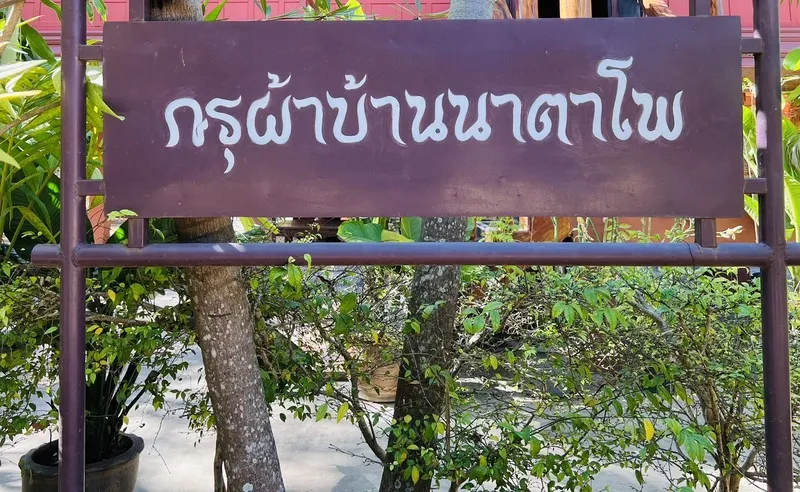
Open Days: Daily
Opening Hours: 08.00 – 17.30; Advance Contact Is Recommended For Visits, Demonstrations, Or Group Activities
Ban Natapho in Uthai Thani Province is a Lao Khrang community in Ban Bueng Subdistrict, Ban Rai District, known for its natural-dyed handwoven textiles, cultural traditions, community homestays, and peaceful rural atmosphere. The village is one of the most meaningful places for travelers who want to understand Lao Khrang heritage through real community life. Visitors can learn about traditional weaving, natural dyeing, local ceremonies, food, performance, and the warm hospitality of a village that has preserved its identity for generations.
Ban Natapho is located close to Ban Rai town, making it easy to reach while still keeping the atmosphere of a quiet rural community. The value of this destination is not only in its textiles, but in the way the textiles are connected with history, family, belief, and everyday life. A visit here allows travelers to see how culture survives not as a staged performance, but as part of ordinary village routines, household skills, seasonal ceremonies, and shared community pride.
The people of Ban Natapho are descendants of the Lao Khrang, an ethnic group with a long history of migration and settlement in Thailand. The word “Khrang” is closely associated with lac, a natural material traditionally used to create a deep red dye. This red color became one of the most recognizable symbols of Lao Khrang culture. In ceremonial clothing and traditional textiles, lac-dyed red is not merely a color. It represents memory, identity, nature, and the continuity of cultural heritage.
Weaving knowledge in Ban Natapho has been passed down within families and the community. Many women learned from mothers, grandmothers, and older relatives. The process includes preparing yarn, dyeing with natural materials, setting up the loom, designing patterns, and weaving each piece patiently by hand. This transmission of knowledge keeps the community connected across generations. When younger people learn to weave or understand the meaning of patterns, culture continues through practice rather than only through stories.
The main identity of Ban Natapho textiles lies in natural dyeing and Lao Khrang patterns. Colors are created from lac, bark, leaves, and other local materials. Natural colors often have depth and softness that differ from synthetic dyes. Their beauty comes from subtle variation, patience, and the weaver’s experience. Each piece of cloth therefore carries the character of its maker, the season, the materials, and the community environment.
Ban Natapho textiles are more than clothing. They are cultural artworks that record local life through color, texture, and pattern. Some textiles are used in ceremonies, some are worn in daily life, and others are adapted into contemporary products for visitors. The ability to maintain traditional roots while adapting to modern use is one reason Ban Natapho weaving remains alive and meaningful today.
The Ban Natapho Traditional Weaving Demonstration Center allows visitors to see this knowledge up close. The center displays Lao Khrang textiles, woven products, tools, and materials related to traditional village life. Visitors can learn how yarn is prepared, how natural colors are made, how patterns are arranged, and how the loom is used. Seeing weavers at work helps travelers understand that a handwoven cloth requires time, concentration, and deep skill.
Ban Natapho is also valuable as a community-based tourism destination. Visitors may learn about local food, speak with villagers, observe daily life, and experience the generosity of the community. The experience is deeper than buying a souvenir because it helps visitors understand the people behind the products. Each textile carries not only beauty but also the livelihood, knowledge, and pride of the weaver.
One of the most important traditions in Ban Natapho is the annual flower procession and merit-making ceremony held in April. The ceremony brings the community together to make merit, offer robes and donations, decorate ritual objects, and preserve Lao Khrang cultural performances. Activities include tung decoration, Nang Dong dance, Nang Khaen dance, and traditional martial arts demonstrations. These performances show that Ban Natapho preserves not only textiles, but also ritual, movement, music, and community belief.
The Nang Dong and Nang Khaen dances express the joy, faith, and cultural identity of the community. Their movements, costumes, rhythm, and ceremonial setting reflect inherited knowledge from earlier generations. Traditional martial arts performances also reveal a rare cultural element that is not commonly seen today. Together, these activities show the living roots of old Lao culture within the present-day community.
What makes Ban Natapho especially interesting is the way different cultural elements are connected. Textiles connect with clothing and beauty. Ceremonies connect with faith. Food connects with household life. Homestays connect visitors directly with the rhythm of the village. When these elements come together, Ban Natapho becomes a living cultural destination rather than a simple weaving stop or photo location.
Staying in a local homestay allows visitors to experience Ban Natapho more closely. Guests can observe household life, learn about weaving and natural dyeing, try local food, and take part in community activities when available. This kind of stay is suitable for travelers who want slow, respectful, and meaningful travel. The greatest value is not luxury, but human connection and cultural understanding.
Natural dyeing is one of the most important knowledge systems in the community. It shows how people use local resources carefully and creatively. Bark, leaves, lac, and other natural materials are transformed into colors through observation and experience. This practice is closely aligned with sustainable production today, but for the community it is also inherited wisdom and a way of respecting nature.
Visitors who want to buy textiles should ask about pattern meanings, fabric types, care instructions, and the making process. Handwoven textiles are valuable because they carry time, labor, skill, and cultural memory. Buying directly from the community supports local income and helps preserve traditional knowledge. A Ban Natapho textile is therefore not just a product; it is a piece of living heritage.
Getting There is convenient from Ban Rai District. Ban Natapho is about 1.5 km from Ban Rai town in Ban Bueng Subdistrict. Travelers can drive directly to the Ban Natapho Traditional Weaving Demonstration Center or navigate to Ban Natapho village. A private car is the most practical option, especially for visitors who want to combine the trip with Underground Road Ban Natapho, Wat Tham Khao Wong, Saow Hai Farmers Market, the Giant Tree at Ban Sanam, or Phu Pang Sawan Herb Garden.
Visitors who want to watch weaving demonstrations, join activities, or travel as a group should contact the community in advance. Some activities require preparation, including weavers, materials, equipment, and local guides. Advance contact helps the community welcome visitors properly without disrupting daily routines.
Respectful behavior is important in Ban Natapho. Visitors should remember that this is a real community, not a theme park. Do not enter private homes without permission, do not touch weaving tools or yarn without asking, and ask before photographing people or close-up production processes. Good community-based tourism should be comfortable and respectful for both visitors and residents.
The best time to visit is from morning to afternoon, when demonstrations and community activities are easier to arrange. Travelers who want to experience the flower procession and cultural performances should plan for the April festival period. Those who mainly want to see weaving and buy textiles can visit throughout the year, but contacting ahead is recommended for the best experience.
Overall, Ban Natapho is ideal for travelers interested in Lao Khrang culture, handwoven textiles, natural dyeing, local ceremonies, homestays, and meaningful community-based tourism. The village shows that cultural heritage is not frozen in the past. It continues through cloth, merit-making, dance, food, family life, and the kindness of local people. Visitors who come with respect will leave with knowledge, appreciation, and a deeper understanding of Uthai Thani’s cultural richness.
| Name | Ban Natapho / Ban Natapho Traditional Weaving Demonstration Center (Lao Khrang) |
| Location | Ban Natapho, Ban Bueng Subdistrict, Ban Rai District, Uthai Thani Province |
| Address | No. 29, Moo 3, Ban Natapho, Ban Bueng Subdistrict, Ban Rai District, Uthai Thani Province 61140 |
| Highlights | Lao Khrang community, natural-dyed textiles, traditional weaving, homestay experience, local ceremony, and annual flower procession merit-making tradition |
| History / Importance | A Lao Khrang community with cultural roots in migration and settlement in Thailand for around 300 years, preserving weaving wisdom, lac dyeing, and local traditions |
| Name Origin | Ban Natapho is the name of the local village in Ban Bueng Subdistrict, while Lao Khrang identity is associated with lac-dyed red textiles used in ceremonial clothing |
| Distinctive Features | Natural dyeing with lac, bark, leaves, and local materials; Lao Khrang textiles; community homestays; and hands-on cultural learning |
| Travel Information | About 1.5 km from Ban Rai town; travel by private car to Ban Bueng Subdistrict and navigate to Ban Natapho or the traditional weaving demonstration center |
| Current Status | Open as a Lao Khrang textile learning center, community tourism destination, and local wisdom demonstration site; advance contact is recommended for group visits |
| Open Days | Daily |
| Opening Hours | 08.00 – 17.30; advance contact is recommended for visits, demonstrations, or group activities |
| Fees | No admission fee |
| Facilities | Weaving demonstration center, textile product area, community learning space, homestay experience, and parking area where available |
| Main Areas / Zones | 1. Ban Natapho Traditional Weaving Demonstration Center 2. Natural Dyeing And Weaving Demonstration Area 3. Lao Khrang Textile And Community Product Area 4. Homestay And Community Life Learning Area 5. Underground Road Ban Natapho And Surrounding Village Area |
| Caretaker / Contact Person | Khun Amphai Amkham / Ban Natapho Weaving Group |
| Main Contact Number | 081-971-0521 |
| Official Website / Official Page | Ban Natapho Traditional Weaving Demonstration Center / Underground Road And Ban Natapho Textile Community / Ban Bueng Subdistrict Administrative Organization |
| Nearby Tourist Attractions | 1. Underground Road Ban Natapho, about 1 km 2. Saow Hai Farmers Market Banrai, about 5 km 3. Wat Tham Khao Wong, about 8 km 4. Giant Tree At Ban Sanam, about 12 km 5. Phu Pang Sawan Herb Garden Skywalk Banrai Herb Garden & Cafe, about 15 km |
| Nearby Restaurants | 1. Baan Suan Restaurant, about 3 km, Tel. 056-539-060, 098-864-1258 2. GoodView CafeHouse, about 3 km, Tel. 080-286-2727 3. Long Rak Cafe, about 3 km 4. Le Leela Cafe, about 4 km 5. Rung Phochana, about 4 km |
| Nearby Accommodations | 1. Ban Rai Nai Suan Resort, about 3 km, Tel. 089-267-6174 2. Baan Suan Resort Ban Rai, about 3 km, Tel. 056-539-060, 098-864-1258 3. GoodView CafeHouse, about 3 km, Tel. 080-286-2727 4. Phu Keang Duan Resort, about 5 km 5. Huai Kha Khaeng Country Home Resort, about 18 km |
Frequently Asked Questions (FAQ)
Q: Where is Ban Natapho located?
A: Ban Natapho is located in Ban Bueng Subdistrict, Ban Rai District, Uthai Thani Province, about 1.5 km from Ban Rai town and easily accessible by private car.
Q: Why is Ban Natapho culturally important?
A: Ban Natapho is a Lao Khrang community that preserves natural-dyed weaving, traditional ceremonies, local dance, and community life with cultural roots dating back around 300 years.
Q: What can visitors see in Ban Natapho?
A: Visitors can see the traditional weaving demonstration center, Lao Khrang textiles, natural dyeing, community homestays, local life, and Underground Road Ban Natapho.
Q: When is the Ban Natapho flower procession and merit-making ceremony held?
A: The flower procession and merit-making ceremony is an important April tradition of the community, featuring merit-making, tung decoration, Nang Dong dance, Nang Khaen dance, and traditional martial arts.
Q: Can visitors watch weaving and buy textiles?
A: Yes. Visitors can observe weaving, buy Lao Khrang textiles and community products, and should contact the group in advance for demonstrations or group visits.
Q: Is there an entrance fee for Ban Natapho Traditional Weaving Demonstration Center?
A: No admission fee is charged. Visitors can support the community by purchasing textiles, joining activities, or using local homestay services where available.
Q: What nearby places can travelers visit after Ban Natapho?
A: Nearby places include Underground Road Ban Natapho, Saow Hai Farmers Market Banrai, Wat Tham Khao Wong, the Giant Tree at Ban Sanam, and Phu Pang Sawan Herb Garden.
Mobile : 0819710521
 Mobile : 0819710521
 Category: ●Suburban Living
 Group: ●Village, Community
Last Update : 4 MonthAgo
 Last Update : 4 MonthAgo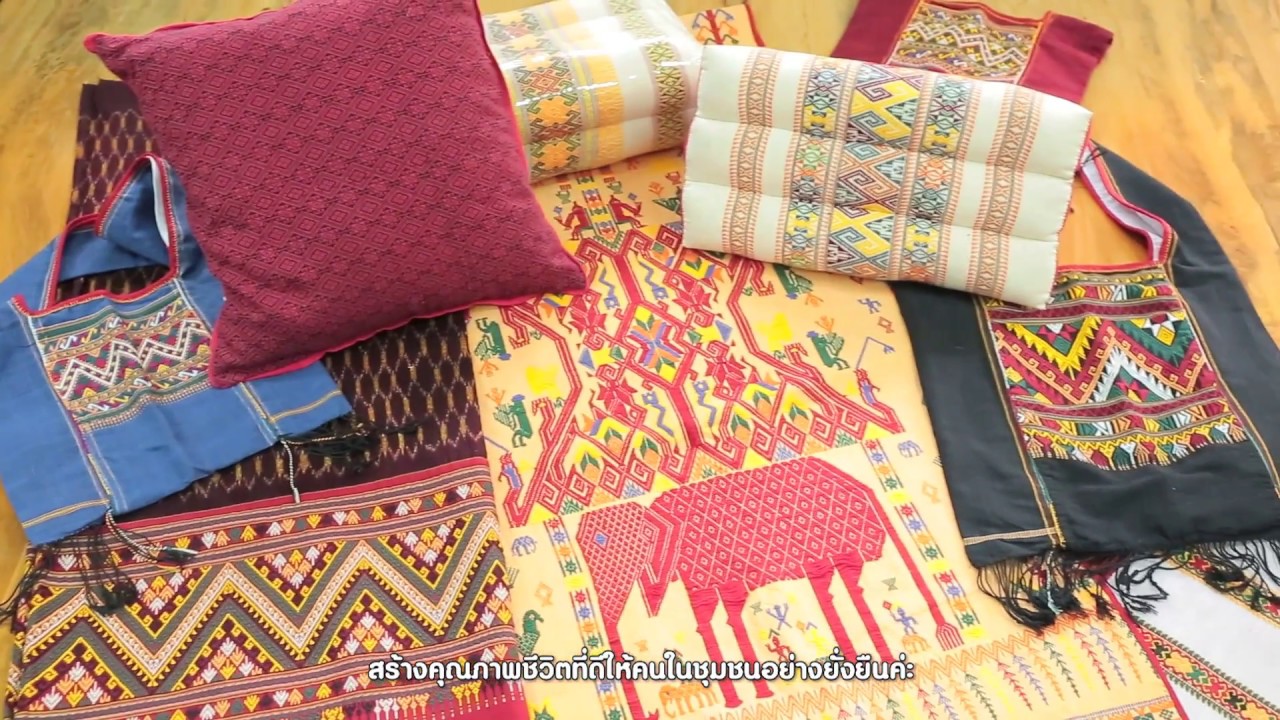
 Click to Access the Navigation Map GPS
Ban Natapho Map
Recommend

 Art, Culture and Heritage
 Historical Sites and Monuments(3)
 Landmarks and Memorials(1)
 Art, Craft Centres, Tradition(5)
 Museums(1)
 Places of Worship
 Temple(31)
 Other Sacred Sites(3)
Village, Community(4)
Other Sacred Sites(3)
Village, Community(4)
 Local Market(1)
 Nature and Wildlife
 National Parks and Marine Reserves(2)
 Mountain (Doi)(7)
 Dam, Reservoir, Lake(5)
 Waterfalls(5)
 Hot Springs(1)
 Caves(9)
 Flower Field(2)
 River, Canal(2)
 Islands(1)
 Other natural attractions(1)
 Entertainment and Agricultural
 Farms, Parks and Ecotourism(2)
 Shopping
 Shopping and Night Market(1)


