
lovethailand home >Central Travel Attractions >Suphan Buri Travel Attractions >Nong Ya Sai >Nong Ya Sai > Wat Nong Luang (Wat Sa Prathum)
TL;DR: Wat Nong Luang (Wat Sa Prathum) is located at Village No. 5, Nong Ya Sai Subdistrict, Nong Ya Sai District, Suphan Buri Province, open Daily, hours Daytime hours are recommended for worship and visiting the old viharn.
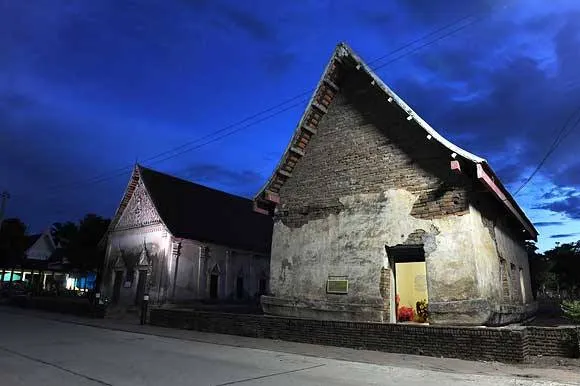
Wat Nong Luang (Wat Sa Prathum)
Open Days: Daily
Opening Hours: Daytime hours are recommended for worship and visiting the old viharn
Wat Nong Luang in Suphan Buri Province, formerly known as Wat Sa Pathum, is an old Buddhist temple in Nong Ya Sai District. Located in Village No. 5, Nong Ya Sai Subdistrict, the temple is an important local place of worship with a long relationship with the surrounding community. Its main highlight is an old viharn built in 1800, with a traditional kite-shaped tile roof. Inside the viharn are 3 Buddha images, with the principal image known as Luang Pho Ket Pathum, a revered Buddha image deeply respected by the people of Nong Ya Sai District.
Wat Nong Luang is significant because it represents the quiet but enduring Buddhist heritage of rural Suphan Buri. It is not a large tourist temple with monumental architecture, but a living community temple where faith, memory, and local history remain closely connected. The old name, Wat Sa Pathum, carries symbolic meaning. The word sa refers to a pond, while pathum means lotus. In Buddhism, the lotus represents purity, spiritual growth, and the ability to rise above worldly suffering. This original name reflects the temple’s peaceful character and its connection with Buddhist symbolism.
The age of Wat Nong Luang is described differently in local accounts, but the old viharn provides an important historical anchor. It was built in 1800, during the early Rattanakosin period. This makes the viharn one of the most important structures at the temple. It enshrines Luang Pho Ket Pathum together with 2 other Buddha images, making a total of 3 Buddha images inside the building. The continued preservation of this viharn shows the effort of the temple and the local community to protect their religious heritage.
The old viharn is valuable not only as a worship space, but also as an example of local religious architecture. Its kite-shaped tile roof reflects traditional Thai building techniques used in older temples and community structures. The roof tiles create a rhythmic surface and help protect the building from rain, while giving the viharn a simple but graceful appearance. This kind of architecture is important because it shows how local craftsmen adapted materials, design, and climate conditions to create sacred buildings suitable for community life.
Luang Pho Ket Pathum is the principal Buddha image of the old viharn and the spiritual heart of Wat Nong Luang. Local people pay respect to the image for blessings, family well-being, health, stability, and peace of mind. The name Ket Pathum also connects beautifully with the temple’s former name, Wat Sa Pathum, because pathum means lotus. This connection gives the temple a coherent spiritual identity, linking its old name, its principal Buddha image, and its religious meaning together.
The 3 Buddha images inside the viharn are more than objects of worship. They are part of the shared memory of the community. In many rural temples in central Thailand, old Buddha images are connected with family histories, merit-making days, Buddhist holidays, and local ceremonies. People may remember visiting the temple with their parents or grandparents, offering flowers and candles, or joining temple events. In this way, preserving the Buddha images also means preserving the emotional and spiritual memory of the community.
Over time, the old viharn deteriorated due to age. The roof, walls, and parts of the building required restoration. The temple and the community therefore carried out restoration work, repairing the roof and walls while preserving the original form of the structure. The restoration was completed in 1989. This was an important moment for the temple because it allowed the old viharn to remain safe and usable while retaining its historical character.
Restoring an old religious building while preserving its original shape is very important. A viharn is not only a shelter for Buddha images; it is also a record of craftsmanship, local taste, construction knowledge, and community devotion. If an old structure is completely rebuilt in a new style, much of its historical value can be lost. Wat Nong Luang’s restoration therefore shows a respectful approach to local heritage, balancing practical repair with cultural preservation.
Wat Nong Luang has long served as a spiritual center for the people of Nong Ya Sai District. In rural Thai society, a temple is more than a place for religious rituals. It is a gathering place, a merit-making center, a moral learning space, and a community landmark. Elderly people, children, families, and local residents meet at the temple during Buddhist holidays, ordinations, funerals, Kathin ceremonies, and other community events. Wat Nong Luang therefore carries social value as well as historical and religious value.
The devotion to Luang Pho Ket Pathum makes Wat Nong Luang an important stop on a local temple route in Nong Ya Sai. Visitors often come to pay respect to the principal Buddha image, see the old viharn, and experience the quiet atmosphere of a rural temple. The temple’s charm lies in its simplicity. It is not designed as a large commercial attraction, but it offers a genuine sense of local faith and community continuity.
In terms of local history, Wat Nong Luang helps broaden the cultural identity of Nong Ya Sai District. The district is home to several temples and places of faith, including Wat Nong Sai, Wat Bo Kru, Wat Lam Phan Bong, Wat Tri Wisutthitham, Wat Don Rai, and the Nong Ratchawat Archaeological Site. Together, these places show that Nong Ya Sai is not only an agricultural district, but also an area with religious heritage, local craftsmanship, and community history worth exploring.
The Nong Ratchawat Archaeological Site adds an even deeper historical layer to the area. While Wat Nong Luang represents Buddhist community life in the early Rattanakosin period and later, Nong Ratchawat reflects much older human settlement in Suphan Buri. Visiting both types of sites helps travelers understand the long timeline of Nong Ya Sai, from ancient settlement to living Buddhist communities.
For cultural travelers, Wat Nong Luang is best visited slowly and respectfully. Visitors can begin by paying respect to Luang Pho Ket Pathum inside the old viharn, then observe the structure of the viharn, the roof tiles, the walls, and the temple surroundings. This type of travel is not about rushing from one photo spot to another. It is about noticing the quiet details of a community temple that may not be nationally famous but is deeply meaningful to local people.
Visitors should treat the old viharn with care. They should not touch the Buddha images unnecessarily, write on walls, climb on structures, or make loud noise inside the building. Photography should be done politely and without disturbing worshippers. These simple practices help preserve the temple’s sacred atmosphere and protect the old structure for future generations.
Wat Nong Luang is also a good example of community-based heritage preservation. The restoration completed in 1989 repaired the viharn while keeping its original form. This approach is especially important for older rural temples because many historic buildings are at risk of being demolished and replaced with new structures. By preserving the old form, Wat Nong Luang keeps its architectural identity and local memory alive.
The role of the abbot and monks remains important today. Current temple information identifies Phra Khru Kittiwiranauwat as the abbot. The presence of resident monks means that Wat Nong Luang continues to function as a living Buddhist temple, with daily religious practice, merit-making activities, ceremonies, and community service. It is therefore not simply an old site, but an active temple that continues to serve local people.
For faith-based travel, Wat Nong Luang is suitable for visitors who prefer peaceful temples away from major tourist crowds. The main experience is paying respect to Luang Pho Ket Pathum and seeing an old viharn dating to 1800. The visit gives travelers a different impression of Suphan Buri, one that focuses on rural faith, local memory, and the quieter side of Thai Buddhism.
Travelers planning a route in Nong Ya Sai District can combine Wat Nong Luang with nearby temples and cultural sites such as Wat Nong Sai, Wat Bo Kru, Wat Lam Phan Bong, Wat Tri Wisutthitham, Wat Don Rai, and the Nong Ratchawat Archaeological Site. With more time, visitors can continue to Bueng Chawak Chaloem Phrakiat in Doem Bang Nang Buat District or return to Suphan Buri town. This route is suitable for travelers interested in culture, local temples, nature, and historical learning.
Getting There is most convenient by private car. The temple is located at 6 Moo 5, Nong Ya Sai Subdistrict, Nong Ya Sai District, Suphan Buri Province 72240. From Suphan Buri town, travel toward Nong Ya Sai District and continue to Nong Ya Sai Subdistrict. Navigation apps can be used to search for Wat Nong Luang. Daytime travel is recommended so visitors can clearly see the old viharn and the temple compound.
Visitors should dress respectfully, as Wat Nong Luang is an active Buddhist temple. Those who wish to worship may bring flowers, candles, or other simple offerings. Visitors interested in photography should be careful not to disturb monks or local worshippers. Keeping the temple clean and quiet is an important way to show respect for both the sacred place and the community that maintains it.
For international visitors, Wat Nong Luang is a good example of a genuine local Buddhist temple in rural central Thailand. Its appeal does not come from grandeur or luxury, but from continuity: an old viharn, a revered principal Buddha image, and a community that still uses the temple in everyday religious life. It can be described as a living Buddhist heritage site rather than a static historical monument.
In summary, Wat Nong Luang is one of the old community temples in Suphan Buri that deserves attention. Its old viharn built in 1800, kite-shaped tile roof, 3 Buddha images, Luang Pho Ket Pathum, the 1989 restoration, and the devotion of the Nong Ya Sai community all make the temple meaningful. It shows that many important parts of Thai cultural heritage still survive quietly in local temples, waiting for respectful travelers to discover and understand them.
| Name | Wat Nong Luang, formerly Wat Sa Pathum |
| Location | Village No. 5, Nong Ya Sai Subdistrict, Nong Ya Sai District, Suphan Buri Province |
| Address | 6 Moo 5, Nong Ya Sai Subdistrict, Nong Ya Sai District, Suphan Buri Province 72240 |
| Coordinates | QWH7+MQ4, Nong Ya Sai Subdistrict, Nong Ya Sai District, Suphan Buri Province |
| Highlights | Old viharn built in 1800, traditional kite-shaped tile roof, 3 Buddha images, and Luang Pho Ket Pathum, the principal Buddha image revered by the local community |
| History | An old temple in Nong Ya Sai District, formerly called Wat Sa Pathum. Its old viharn was built in 1800 and restored in 1989 while preserving the original form |
| Name Origin | The former name Wat Sa Pathum refers to a pond and lotus, both meaningful in Buddhist symbolism. The temple later became widely known as Wat Nong Luang after the local area |
| Distinctive Features | A peaceful old community temple with an old viharn, revered Buddha images, and a strong connection with the people of Nong Ya Sai |
| Travel Information | Travel by private car toward Nong Ya Sai District, then continue to Nong Ya Sai Subdistrict. Navigation apps can be used to find Wat Nong Luang |
| Current Status | An active community temple and worship site for Luang Pho Ket Pathum in Nong Ya Sai District |
| Open Days | Daily |
| Opening Hours | Daytime hours are recommended for worship and visiting the old viharn |
| Fees | No admission fee |
| Facilities | Parking area, pavilion, worship area, old viharn, and community religious activity areas |
| Main Areas / Zones | Old viharn with kite-shaped tile roof Luang Pho Ket Pathum worship area 3 Buddha images inside the viharn Temple courtyard and merit-making area Community religious activity area |
| Abbot / Caretaker | Phra Khru Kittiwiranauwat |
| Main Contact Number | 035-577-014 |
| Nearby Tourist Attractions | 1. Wat Nong Sai, about 5 km 2. Wat Bo Kru, about 7 km 3. Wat Lam Phan Bong, about 8 km 4. Wat Tri Wisutthitham, also known as Luang Pho Kai Temple, about 10 km 5. Nong Ratchawat Archaeological Site, about 12 km 6. Bueng Chawak Chaloem Phrakiat, about 35 km |
| Nearby Restaurants | 1. Mee Kam Rai, about 3 km 2. Krua Pa Yaya, about 4 km 3. Jungle Cafe Nong Ya Sai, about 4 km 4. Café Amazon at Chanphen Station, about 5 km 5. Local restaurants in Nong Ya Sai town, about 3–6 km |
| Nearby Accommodations | 1. Sukkij Camping, Accommodation And Pool Area, about 10 km 2. Baan Lanna Rommai Riverside Resort, about 25 km 3. Accommodations in Sam Chuk District, about 30 km 4. Accommodations near Bueng Chawak Chaloem Phrakiat, about 35 km 5. Hotels and resorts in Suphan Buri town, about 45 km |
Frequently Asked Questions (FAQ)
Q: Where is Wat Nong Luang located?
A: Wat Nong Luang is located at 6 Moo 5, Nong Ya Sai Subdistrict, Nong Ya Sai District, Suphan Buri Province 72240.
Q: What was the former name of Wat Nong Luang?
A: The former name of Wat Nong Luang was Wat Sa Pathum, an old temple name connected with Buddhist lotus symbolism.
Q: Who is Luang Pho Ket Pathum?
A: Luang Pho Ket Pathum is the principal Buddha image inside the old viharn of Wat Nong Luang and is highly respected by the people of Nong Ya Sai District.
Q: When was the old viharn at Wat Nong Luang built?
A: The old viharn was built in 1800. Its roof and walls were restored and the restoration was completed in 1989 while preserving the original form.
Q: Is there an admission fee at Wat Nong Luang?
A: No admission fee is collected. Visitors can pay respect to Luang Pho Ket Pathum, make merit, and visit the old viharn respectfully.
Q: What type of trip is Wat Nong Luang suitable for?
A: It is suitable for peaceful temple visits, worship, learning about rural Buddhist heritage, and exploring cultural sites in Nong Ya Sai District.
Q: What nearby places can be visited with Wat Nong Luang?
A: Nearby places include Wat Nong Sai, Wat Bo Kru, Wat Lam Phan Bong, Wat Tri Wisutthitham, Nong Ratchawat Archaeological Site, and Bueng Chawak Chaloem Phrakiat.
 Category: ●Places of Worship
 Group: ●Temple
Last Update : 4 MonthAgo
 Last Update : 4 MonthAgo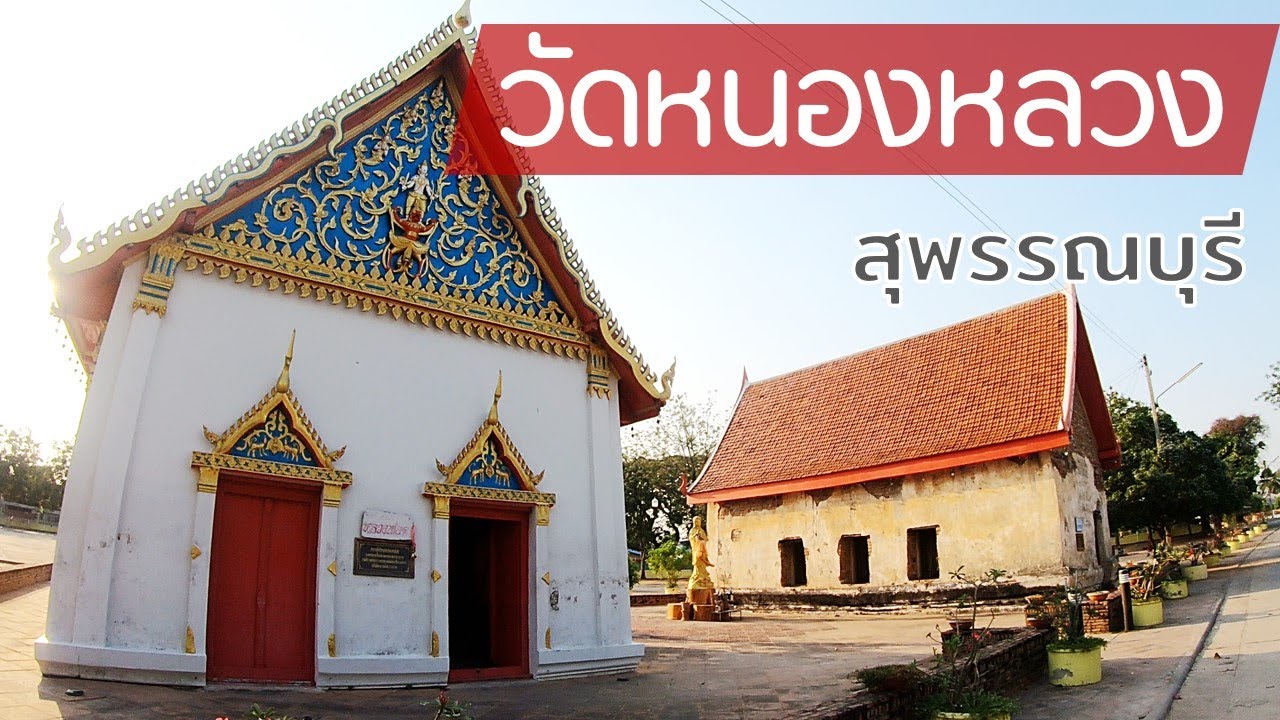
 Click to Access the Navigation Map GPS
Wat Nong Luang (Wat Sa Prathum) Map
Recommend

 Art, Culture and Heritage
 Historical Sites and Monuments(2)
 Landmarks and Memorials(4)
 Art, Craft Centres, Tradition(2)
 Museums(5)
 Educational Places
 Educational Gardens, Farm(4)
 Training Center(2)
Temple(36)
Training Center(2)
Temple(36)
 Other Sacred Sites(4)
 Suburban Living
 Village, Community(6)
 Local Market(7)
 Floating Market(1)
 Nature and Wildlife
 National Parks and Marine Reserves(4)
 Mountain (Doi)(2)
 Dam, Reservoir, Lake(3)
 Caves(1)
 Bays and Beaches(1)
 Entertainment and Agricultural
 Farms, Parks and Ecotourism(6)
 Theater(1)


