
lovethailand home >Central Travel Attractions >Suphan Buri Travel Attractions >U Thong >U Thong > Phu Hang Nak Natural Stone Garden
TL;DR: Phu Hang Nak Natural Stone Garden is located at U Thong District, Suphan Buri Province, Thailand, open Daily, hours Guided visits are arranged according to local staff and community availability.

Phu Hang Nak Natural Stone Garden
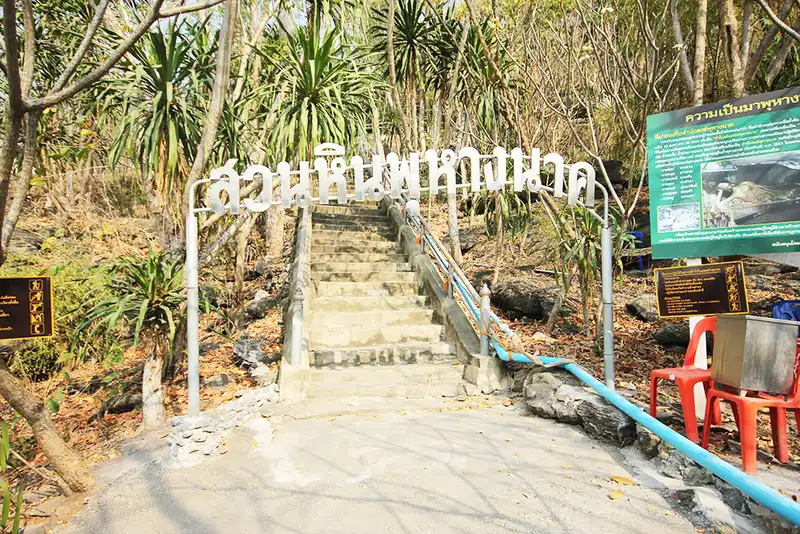
Open Days: Daily
Opening Hours: Guided visits are arranged according to local staff and community availability; advance contact is recommended before walking the full trail
Phu Hang Nak Natural Stone Garden in Suphan Buri Province is one of U Thong’s most valuable natural and cultural landscapes. It is often described as a masterpiece of nature that deserves careful protection. The site is known for ancient-looking rock formations, a forest of old cycads, preserved chan pha trees, seasonal wildflowers, stone bridges, standing stones, and mysterious traces of sacred space connected with the ancient city of U Thong. For foreign travelers, Phu Hang Nak is not just a scenic rock garden; it is a place where nature, archaeology, spirituality, local memory, and conservation come together.
The stone garden is located around Phu Hang Nak Meditation Center in U Thong District, Suphan Buri Province. It forms part of a wider cultural landscape linked with ancient U Thong, Wat Khao Tham Thiam, Wat Khao Phra Si Sanphetchayaram, and the surrounding hill area. The most striking feature is the natural rock garden, where stones appear in many unusual forms. Some look like walls, some resemble gates, some evoke animals or mythical beings, and others appear almost like ancient structures. Their lines, cracks, textures, and layers were shaped by long natural processes, creating a landscape that feels like an outdoor gallery made by nature.
The beauty of Phu Hang Nak requires slow walking and imagination. The rocks are not arranged like a designed garden. They have been shaped by weather, sunlight, wind, rain, and erosion. Each stone has its own surface, pattern, and form. Visitors can observe rounded edges, stacked layers, narrow passages, stone walls, and natural openings between rocks. These details make the area feel like a natural museum where the landscape itself becomes the exhibit.
Phu Hang Nak is also important because it preserves an old forest atmosphere close to town. One of its most remarkable features is the wild cycad forest. Cycads are ancient-looking plants that grow slowly and give the area a prehistoric character. When they grow among rock formations, the scenery becomes especially powerful. These plants are highly valuable and vulnerable. If they are dug up, stolen, or damaged, the landscape cannot be restored quickly because such plants take a very long time to grow.
Another important plant found in the area is chan pha, a protected species often targeted by illegal cutting. Many chan pha trees at Phu Hang Nak are large and grow along rock crevices or slopes. Their size reflects age, value, and resilience. Seeing chan pha trees rising among the stones reminds visitors that this landscape is not only beautiful but also fragile. It depends on careful protection from local people, monks, visitors, and conservation-minded travelers.
In some seasons, wildflowers bring color to the rocky forest. Yellow salat dai flowers, bright suphannika blossoms, and white forest gardenia add softness to the otherwise rugged landscape of stone and dry forest. These seasonal flowers show that Phu Hang Nak is not a static place. It changes with rainfall, temperature, wind, and season. For photographers and nature lovers, this seasonal rhythm is one of the most rewarding aspects of the visit.
One of the most intriguing areas is the stone bridge and the group of standing stones. These features raise questions about whether they are entirely natural creations or whether some stones were moved, cut, or arranged by human hands in the past. Large stone surfaces with unusual marks have led some visitors and researchers to wonder whether the area may have been connected with ancient ritual space, sacred boundaries, or a religious site whose purpose has not yet been fully explained. This uncertainty gives Phu Hang Nak a special character: it is a landscape that invites observation, study, and interpretation.
The standing stones on Phu Hang Nak Hill are especially meaningful in a wider Southeast Asian cultural context. Standing-stone traditions are known in parts of mainland Southeast Asia, where stones were used to mark sacred space, ritual areas, or symbolic boundaries. In some regions, earlier sacred stone traditions were later reinterpreted after the spread of Brahmanical and Buddhist influences. Seen in this context, Phu Hang Nak may represent an older layer of belief in the Mae Klong–Tha Chin river basin, connected with local spiritual traditions before or alongside later religious influences from India.
When viewed together with ancient U Thong, Phu Hang Nak becomes more than a nature attraction. U Thong is one of Thailand’s important archaeological landscapes, associated with early communities, Dvaravati culture, religious exchange, and long-distance cultural connections. The stone garden, forest, standing stones, and hill landscape help visitors imagine how natural spaces around ancient settlements may have been used for belief, ritual, orientation, and community identity.
Today, Phu Hang Nak Natural Stone Garden is open as an eco-tourism route. Phra Maha Somchat Thewathammo, head monk of Phu Hang Nak monastic residence, has worked with local community members to create a walking route that allows visitors to appreciate the beauty of the rock garden and learn about the natural environment. This approach helps protect the area from encroachment, theft, and destructive use of natural resources. Tourism here is meant to build awareness, not simply to bring people into the forest.
The damage caused by illegal cycad digging and chan pha cutting is a serious warning. Holes left by stolen plants and large tree stumps show what may happen if people value natural resources only as objects for sale. Phu Hang Nak’s beauty belongs not only to the present community but also to future generations. Visitors should therefore avoid digging, cutting, collecting, carving, littering, or walking irresponsibly through fragile areas. A meaningful visit to Phu Hang Nak is one that leaves no wound on the landscape.
The walking route through Phu Hang Nak is more than 5 kilometers long. It begins around Phu Hang Nak Meditation Center and continues through the stone garden, cycad forest, rock formations, and hill areas. This is not a short city-park walk. Visitors should be prepared with drinking water, a hat, proper walking shoes, breathable clothing, and enough time. A local staff member or community guide is strongly recommended, especially for visitors who want to walk the full route and understand the stories behind the rocks, plants, sacred areas, and conservation work.
The best time to visit is in the morning or late afternoon because some sections are open and rocky, and the stone surfaces can absorb heat during the day. The rainy season to early cool season makes the forest greener and more pleasant. Around the end of Buddhist Lent, some wildflowers may bloom, adding color to the forest. During the hot season, visitors should avoid walking in the middle of the day and carry extra drinking water.
Getting There from Suphan Buri town is convenient by private car. Take Highway 321 toward U Thong District for about 30 kilometers. At the U Thong Clock Tower roundabout, take the second exit toward Wat Khao Phra Si Sanphetchayaram. Turn left before reaching Wat Khao Phra and continue toward Phu Hang Nak Meditation Center. The wild cycad and stone garden area is located within the meditation center area. A private car is the most convenient option because travelers can combine the visit with Wat Khao Tham Thiam, U Thong National Museum, Wat Khao Phra Si Sanphetchayaram, and other ancient U Thong sites.
For a deeper trip, visitors should combine Phu Hang Nak with the wider U Thong historical route. Begin at U Thong National Museum to understand the ancient city and Dvaravati culture, continue to Wat Khao Tham Thiam to see the large cliff-carved Buddha image, then visit Phu Hang Nak to experience the ecological and spiritual landscape. This sequence helps foreign travelers understand U Thong not only through museum objects or monuments, but also through the living landscape of hills, rocks, forests, and sacred places.
Phu Hang Nak is suitable for nature lovers, light hikers, photographers, students, cultural travelers, and people who prefer quiet, meaningful places. It is not a luxury destination and not a place to rush. Its value lies in the stillness of stone, the endurance of ancient-looking plants, the seasonal color of wildflowers, and the unanswered questions surrounding the standing stones and sacred landscape. Travelers who walk slowly and respectfully will find that Phu Hang Nak is one of the most memorable eco-cultural destinations in U Thong, Suphan Buri.
The true importance of Phu Hang Nak is not only its scenery, but its message. Every rock, cycad, chan pha tree, wildflower, and standing stone is part of a landscape that took a long time to form. The site reminds visitors that natural heritage can disappear quickly if people fail to protect it. A visit here should therefore be an act of appreciation and responsibility, helping ensure that Phu Hang Nak remains a natural heritage of Suphan Buri for future generations.
| Name | Phu Hang Nak Natural Stone Garden |
| Location | U Thong District, Suphan Buri Province, Thailand |
| Address | Around Phu Hang Nak Meditation Center, U Thong District, Suphan Buri 72160, Thailand |
| Highlights | Unusual natural rock formations, ancient-looking cycad forest, chan pha trees, seasonal wildflowers, stone bridge, standing stones, and the sacred landscape of ancient U Thong |
| History | A natural and cultural landscape in U Thong, associated with standing stones, sacred-space interpretation, and the broader ancient U Thong cultural setting |
| Name Origin | The name Phu Hang Nak is linked with the local hill landscape, rock formations, and naga-related local imagination |
| Distinctive Features | An eco-cultural stone garden combining natural rock formations, old forest plants, conservation work, Buddhist monastic atmosphere, and ancient sacred-landscape interpretation |
| Travel Information | From Suphan Buri town, take Highway 321 to U Thong Clock Tower roundabout, take the second exit toward Wat Khao Phra Si Sanphetchayaram, turn left before Wat Khao Phra, and continue to Phu Hang Nak Meditation Center |
| Current Status | Open as an eco-tourism route; visitors should contact local staff or community guides before walking the long route |
| Open Days | Daily |
| Opening Hours | Guided visits are arranged according to local staff and community availability; advance contact is recommended before walking the full trail |
| Fees | No admission fee |
| Facilities | Starting point at Phu Hang Nak Meditation Center, parking area, local guide contact point, and nature walking trail |
| Main Areas / Zones | 1. Phu Hang Nak Meditation Center 2. Phu Hang Nak Natural Stone Garden 3. Ancient-looking cycad forest 4. Chan pha tree area 5. Stone bridge and unusual rock formations 6. Standing stones on Phu Hang Nak Hill 7. Nature walking route of more than 5 kilometers |
| Caretaker | Phra Maha Somchat Thewathammo, head monk of Phu Hang Nak monastic residence, together with the local community managing the Phu Hang Nak stone garden route |
| Main Contact Number | 087-811-7890 |
| Official Website / Official Page | Travel information from DASTA, U Thong District, and Suphan Buri tourism information sources |
| Nearby Tourist Attractions | 1. Wat Khao Tham Thiam, about 2 km 2. Wat Khao Phra Si Sanphetchayaram, about 3 km 3. U Thong National Museum, about 5 km 4. Ancient U Thong Archaeological Area, about 6 km 5. Phu Muang Forest Park, about 12 km |
| Nearby Restaurants | 1. Wan Wan Restaurant U Thong, about 5 km, Tel. 061-381-6716 2. MaMo Cafe U Thong, about 6 km, Tel. 081-922-9456 3. A Life Cafe & Gallery, about 6 km, Tel. 097-035-0815 4. The Little Hut by Tolo.Cafe, about 7 km 5. Local restaurants and cafes around U Thong town, about 5 km |
| Nearby Accommodations | 1. Tolopoti Hotel & Resort, about 4 km, Tel. 082-333-3308 2. Pusayapuri Hotel, about 5 km 3. U Thong Hotel, about 5 km 4. Pluluang Mansion, about 6 km 5. Chorakhe Sam Phan Resort, about 8 km |
Frequently Asked Questions (FAQ)
Q: Where is Phu Hang Nak Natural Stone Garden located?
A: It is located around Phu Hang Nak Meditation Center in U Thong District, Suphan Buri Province.
Q: What makes Phu Hang Nak Natural Stone Garden special?
A: It is known for unusual rock formations, ancient-looking cycads, chan pha trees, seasonal wildflowers, stone bridge features, standing stones, and its connection with the ancient U Thong cultural landscape.
Q: Is there an admission fee?
A: No admission fee is listed, but visitors should contact local staff or community guides before walking the long route.
Q: How long is the walking route?
A: The walking route is more than 5 kilometers long, so visitors should prepare drinking water, proper shoes, and enough time.
Q: Why are the standing stones at Phu Hang Nak important?
A: The standing stones are interpreted as part of an ancient sacred landscape, possibly connected with ritual space and local spiritual traditions in the wider Suvarnabhumi region.
Q: When is the best time to visit?
A: Morning or late afternoon is best for walking. The rainy season to early cool season offers greener forest scenery, while the period around the end of Buddhist Lent may bring seasonal wildflowers.
Q: Who should visit Phu Hang Nak?
A: It is suitable for nature travelers, light hikers, photographers, students, cultural travelers, and visitors interested in conservation and ancient U Thong.
Q: How do travelers get there from Suphan Buri town?
A: Take Highway 321 to the U Thong Clock Tower roundabout, take the second exit toward Wat Khao Phra Si Sanphetchayaram, turn left before Wat Khao Phra, and continue to Phu Hang Nak Meditation Center.
 Category: ●Nature and Wildlife
 Group: ●Mountain (Doi)
Last Update : 3 MonthAgo
 Last Update : 3 MonthAgo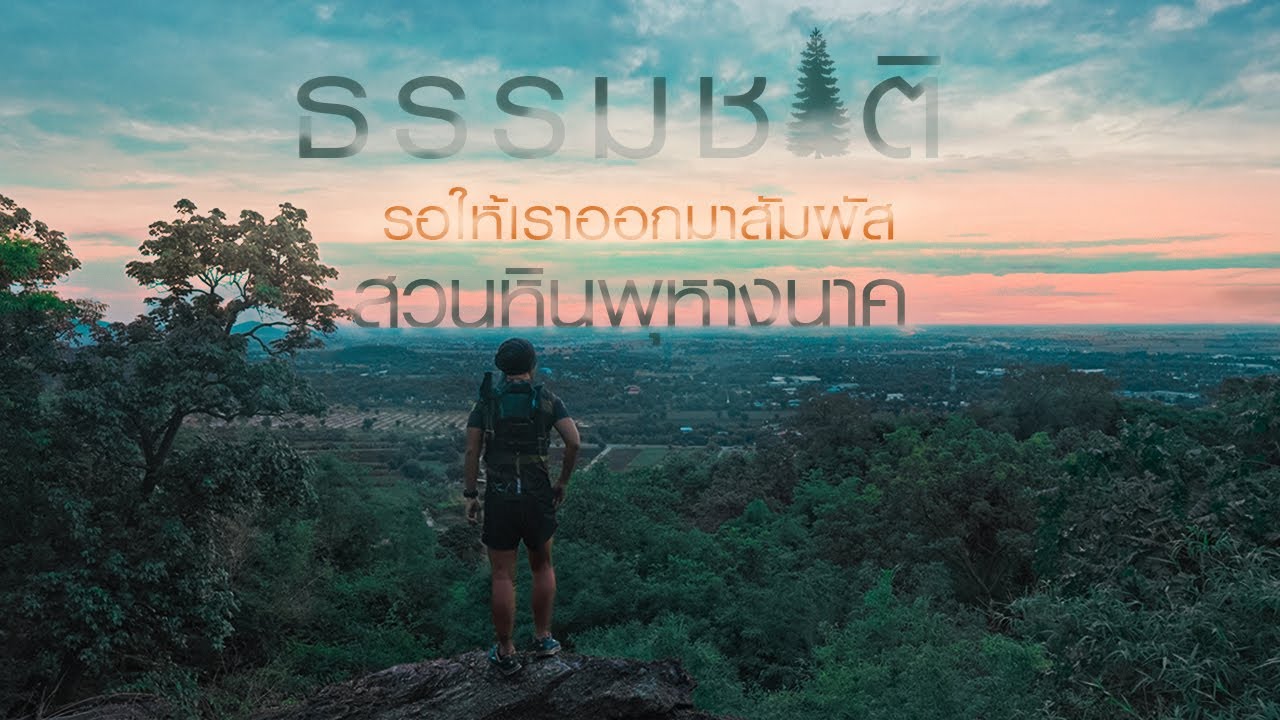
 Click to Access the Navigation Map GPS
Phu Hang Nak Natural Stone Garden Map
Recommend

 Art, Culture and Heritage
 Historical Sites and Monuments(2)
 Landmarks and Memorials(4)
 Art, Craft Centres, Tradition(2)
 Museums(5)
 Educational Places
 Educational Gardens, Farm(4)
 Training Center(2)
 Places of Worship
 Temple(36)
 Other Sacred Sites(4)
 Suburban Living
 Village, Community(6)
 Local Market(7)
 Floating Market(1)
 National Parks and Marine Reserves(4)
Mountain (Doi)(2)
National Parks and Marine Reserves(4)
Mountain (Doi)(2)
 Dam, Reservoir, Lake(3)
 Caves(1)
 Bays and Beaches(1)
 Entertainment and Agricultural
 Farms, Parks and Ecotourism(6)
 Theater(1)


