
lovethailand home >Central Travel Attractions >Suphan Buri Travel Attractions >Muang Suphan Buri >Rua Yai > Suphan Buri Chang Sip Mu Training Center
TL;DR: Suphan Buri Chang Sip Mu Training Center is located at Malai Maen Road, Rua Yai Subdistrict, Mueang Suphan Buri District, Suphan Buri Province, open Advance Contact Recommended Before Visiting, hours Advance Contact Recommended Before Visiting.
Suphan Buri Chang Sip Mu Training Center
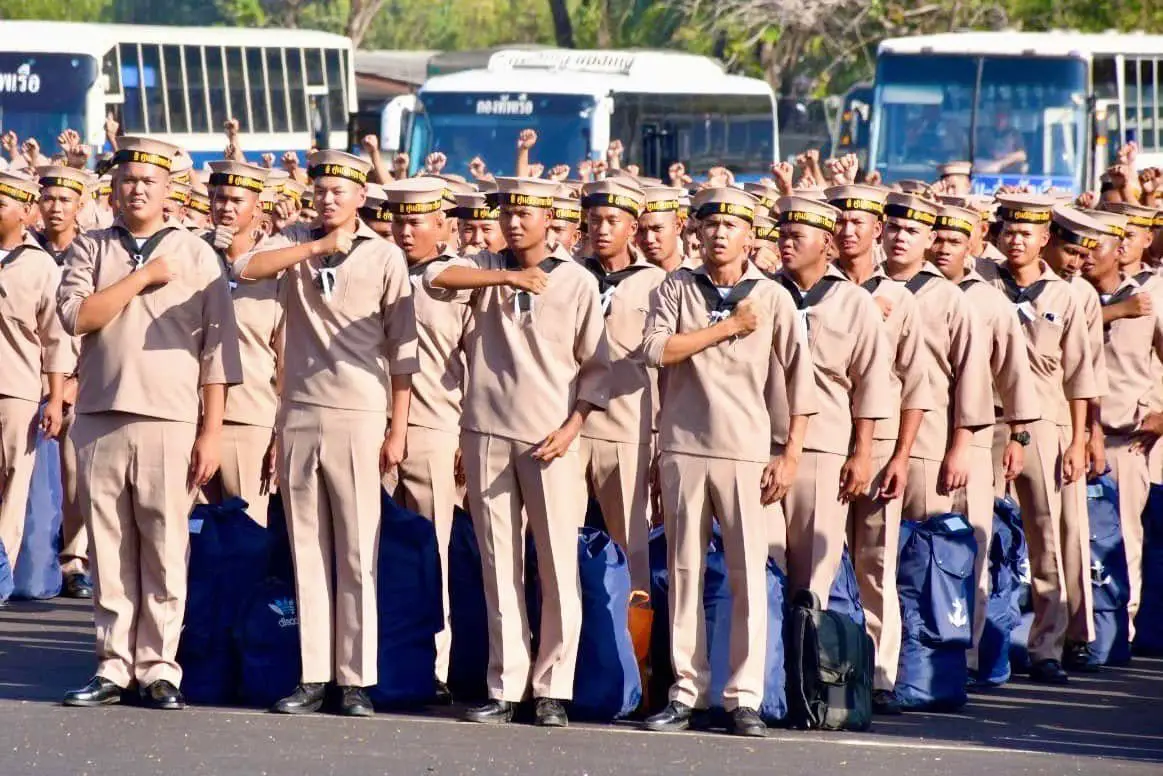
Open Days: Advance Contact Recommended Before Visiting
Opening Hours: Advance Contact Recommended Before Visiting
The Suphan Buri Chang Sip Mu Training Center is a cultural learning and training center dedicated to traditional Thai craftsmanship. Located on Malai Maen Road in Rua Yai Subdistrict, Mueang Suphan Buri District, opposite the Physical Education College of Suphan Buri and next to the provincial sports stadium, the center operates under the role of the Fine Arts Department. It supports the training, preservation, and transmission of Chang Sip Mu, the traditional system of Thai artisan crafts that forms an important part of Thailand’s national artistic heritage.
Chang Sip Mu refers to a group of traditional Thai crafts connected with royal art, religious art, restoration work, decorative arts, and fine craftsmanship. The term is often translated as the “Ten Crafts,” but in cultural practice it represents a wide system of skilled artisan knowledge rather than a fixed numerical list only. The crafts include painting, lacquer work, carving, sculpting, casting, model making, metal beating, stucco work, turning, and related traditional techniques. Each field requires artistic understanding, hand skill, patience, material knowledge, and respect for inherited Thai artistic forms.
The importance of the Suphan Buri Chang Sip Mu Training Center lies in the fact that traditional craftsmanship cannot survive through books and finished artworks alone. It must be practiced, demonstrated, corrected, and transmitted by hand. Learners need to train their eyes, control their hands, understand tools, prepare materials, and gradually absorb the discipline of Thai art. A training center like this helps connect ancient heritage with new generations of learners, artisans, teachers, and cultural workers.
Thai painting, or chang khian, is one of the most important craft fields. It involves line drawing, decorative pattern design, mural painting, color use, and visual storytelling. Thai painting appears in temple murals, manuscript illustrations, lacquered objects, ceremonial items, and architectural decoration. Learners must understand line, rhythm, proportion, composition, symbolism, and traditional Thai visual language. Training in Thai painting is not simply learning how to draw beautifully; it is learning how Thai culture communicates through image and pattern.
Lacquer work, or chang rak, is connected with the use of natural lacquer, gilding, surface decoration, and refined finishing techniques. This craft appears on Buddha images, scripture cabinets, temple doors, ceremonial objects, and many sacred or decorative works. Lacquer work requires patience and technical care because natural lacquer must be handled under proper conditions. Cleanliness, humidity, drying time, surface preparation, and layering all affect the final result. This makes lacquer work a combination of art, material science, and inherited craft discipline.
Carving and sculpting are essential for creating forms and decorative details from materials such as wood, stone, or other hard surfaces. These crafts appear in temple doors, window panels, gables, pedestals, religious objects, and architectural ornaments. Learners must understand design transfer, proportion, relief depth, tool control, and the structure of Thai motifs. These skills take time to master and cannot be learned only by looking at photographs. They require direct practice and careful guidance.
Casting is an important craft field for producing metal artworks such as Buddha images, ritual objects, statues, and decorative metal works. The process involves modeling, mold making, metal preparation, melting, pouring, surface finishing, and quality checking. Casting requires both artistic and technical knowledge. Learners must understand form, proportion, heat, metal behavior, and workshop safety. This craft demonstrates how Thai art often combines spiritual meaning with demanding technical skill.
Model making, or chang hun, is related to preparing forms, structures, or prototypes for other craft processes. It can support casting, decorative work, ceremonial structures, or architectural details. Good model making is essential because later stages depend on the accuracy and strength of the model. Learners need to understand structure, scale, material behavior, and how an initial form will support the next stage of work.
Metal beating, or chang bu, involves shaping metal sheets through beating, pressing, or raising techniques to create forms and patterns. It appears in ritual objects, decorative objects, metal containers, and fine metal artworks. This craft requires precise force, hand rhythm, tool control, and understanding of metal properties. A well-made metal-beaten object combines strength, surface beauty, and refined craftsmanship.
Stucco work, or chang pun, is closely connected with Thai architecture and temple decoration. It appears in gables, door frames, window arches, pagodas, bases, and ornamental architectural elements. Thai stucco work requires knowledge of materials, shaping techniques, Thai motifs, proportion, and durability. It must be both beautiful and structurally suitable for its environment. Learners therefore need artistic sensitivity and practical construction awareness.
Turning, or chang klueng, involves shaping materials into circular, cylindrical, or symmetrical forms by using rotation and cutting tools. It can be applied to wood, metal, and various decorative components such as columns, rail elements, ritual objects, and crafted parts. Turning requires precision because even a small error can affect the balance of the whole object. This craft reflects the relationship between tool skill and proportional beauty.
The training center is valuable because it decentralizes traditional craft knowledge from major national institutions to the provincial level. Suphan Buri is a province with many temples, historic sites, local art traditions, and cultural heritage places. A training center in the province allows local learners and people from nearby areas to access Thai traditional craftsmanship more easily. It also helps develop skilled people who may support conservation, restoration, and cultural work in the central region.
The center also supports cultural preservation in a practical way. Many forms of heritage are at risk not only because people forget their value, but because there are too few skilled artisans able to maintain, repair, or reproduce them. Traditional Thai craft skills require long training periods. If there are no structured learning spaces, knowledge may gradually disappear with older artisans. The Suphan Buri Chang Sip Mu Training Center helps keep these skills alive through direct teaching and practical training.
For visitors interested in Thai art, this center provides a deeper understanding of how Thai artistic works are created. Finished artworks in temples or museums often appear graceful and complete, but behind them are many stages of preparation, material handling, drawing, shaping, carving, casting, polishing, gilding, and finishing. Seeing or learning about these processes can help visitors appreciate Thai art with greater respect and understanding.
The center is suitable for students, art teachers, local artisans, cultural workers, researchers, and educational travelers who want to understand the roots of Thai craftsmanship. Visitors should contact the center in advance because it is a training and working facility, not a commercial tourist attraction open freely to walk-in visitors at all times. Advance coordination helps confirm accessible areas, available staff, current training activities, and proper visitor behavior in craft workshop areas.
Getting There is convenient because the center is located on Malai Maen Road in Rua Yai Subdistrict, Mueang Suphan Buri District, near the provincial sports stadium and opposite the Physical Education College of Suphan Buri. From Bangkok, travelers can take Highway 340 toward Suphan Buri, continue into Mueang Suphan Buri District, and proceed to Malai Maen Road. Private car or rental vehicle travel is recommended for flexibility, especially if visitors plan to combine the center with other cultural sites in the city.
The center can be included in a cultural route with Suphan Buri City Pillar Shrine, Dragon Descendants Museum, Wat Pa Lelai Worawihan, Banharn-Jamsai Tower, Suphan Buri National Museum, Thai Farmers National Museum, and the Hall of Fame of H.E. Banharn Silpa-Archa. Visiting the Chang Sip Mu Training Center together with museums and temples helps travelers understand not only the finished heritage objects, but also the craft processes and artisan knowledge behind Thai art.
The Suphan Buri Chang Sip Mu Training Center deserves a place in the province’s cultural travel route because it reveals the living side of Thai heritage. Conservation is not only about preserving old objects or restoring ancient buildings. It also requires creating skilled people, maintaining workshops, and transmitting knowledge from teacher to learner. Chang Sip Mu is a living heritage that continues through hands, tools, materials, discipline, and cultural memory. This center therefore plays an important role in both Suphan Buri and the wider preservation of Thai artistic heritage.
| Name | Suphan Buri Chang Sip Mu Training Center |
| Location | Malai Maen Road, Rua Yai Subdistrict, Mueang Suphan Buri District, Suphan Buri Province |
| Distinctive Features | A traditional Thai craftsmanship training center supporting Chang Sip Mu, fine Thai arts, conservation crafts, and cultural heritage transmission under the Fine Arts Department |
| Highlights | Training in traditional Thai craft fields such as painting, lacquer work, carving, sculpting, casting, model making, metal beating, stucco work, and turning |
| Travel Information | From Suphan Buri town, take Malai Maen Road toward Rua Yai Subdistrict and the provincial sports stadium area. From Bangkok, take Highway 340 toward Suphan Buri, enter the city area, and continue to Malai Maen Road. |
| Current Status | A training and learning facility for traditional Thai craftsmanship; advance contact is recommended before visiting or arranging a study visit |
| Open Days | Advance Contact Recommended Before Visiting |
| Opening Hours | Advance Contact Recommended Before Visiting |
| Fees | No confirmed admission fee information was found; visitors should contact the center before traveling |
| Facilities | Craft training areas, traditional art practice spaces, study visit reception areas, and parking area according to the facility |
| Main Areas / Zones | 1. Thai Painting Training Area 2. Lacquer Work Training Area 3. Carving and Sculpting Training Area 4. Casting Training Area 5. Model Making Training Area 6. Metal Beating Training Area 7. Stucco Work Training Area 8. Turning Training Area 9. Thai Art Conservation and Heritage Learning Area |
| Caretaker / Related Organization | Fine Arts Department / Traditional Thai Craft and Fine Arts Units in Suphan Buri |
| Main Contact Number | 035-521-939 / Fine Arts Office 2 Suphan Buri Tel. 035-440-944 |
| Nearby Tourist Attractions | 1. Suphan Buri Provincial Sports Stadium, about 0 km 2. Suphan Buri City Pillar Shrine and Dragon Descendants Museum, about 3 km 3. Old City Wall and City Gate of Suphan Buri, about 3 km 4. Wat Pa Lelai Worawihan, about 4 km 5. Banharn-Jamsai Tower, about 5 km 6. Suphan Buri National Museum, about 7 km 7. Thai Farmers National Museum, about 7 km |
| Nearby Restaurants | 1. Local Restaurants Around Malai Maen Road and Rua Yai, about 1 km 2. Café Amazon at Heaven Dragon Park, about 3 km 3. Playground Bistro, about 3 km, Tel. 061-446-9442 4. Nopparatana Restaurant, about 5 km, Tel. 035-555-333, 081-587-6154 5. Lainam Restaurant, about 6 km 6. Surachai Pla Phao, about 8 km, Tel. 081-763-6102, 081-942-4654 |
| Nearby Accommodations | 1. Songphanburi Hotel, about 4 km 2. Vasidtee City Hotel Suphan Buri, about 5 km, Tel. 035-526-111, 035-526-123 3. Sri U-Thong Grand Hotel, about 5 km 4. Hop Inn Suphan Buri, about 6 km, Tel. 02-080-2222 5. B2 Suphan Buri Premier Hotel, about 6 km 6. Country Lake View Hotel, about 8 km |
Frequently Asked Questions (FAQ)
Q: Where is the Suphan Buri Chang Sip Mu Training Center located?
A: It is located on Malai Maen Road in Rua Yai Subdistrict, Mueang Suphan Buri District, opposite the Physical Education College of Suphan Buri and near the provincial sports stadium.
Q: Which organization operates the center?
A: The center operates under the role of the Fine Arts Department to support the training and preservation of traditional Thai craftsmanship.
Q: What crafts are taught at the center?
A: The center supports training in several traditional Thai craft fields, including painting, lacquer work, carving, sculpting, casting, model making, metal beating, stucco work, and turning.
Q: Why is Chang Sip Mu important?
A: Chang Sip Mu is a traditional body of Thai artisan knowledge used in creating, restoring, and preserving religious art, fine art, architectural decoration, and national cultural heritage.
Q: Who should visit this center?
A: It is suitable for students, art teachers, local artisans, cultural workers, researchers, and educational travelers interested in Thai traditional craftsmanship.
Q: Should visitors contact the center before visiting?
A: Yes. Advance contact is recommended because the center is a training and working facility, not a commercial tourist attraction open freely to walk-in visitors at all times.
Q: Is there an admission fee?
A: No confirmed admission fee information was found. Visitors should contact the center before traveling or arranging a study visit.
Q: What nearby attractions can be visited with the center?
A: Nearby attractions include Suphan Buri City Pillar Shrine, Dragon Descendants Museum, Wat Pa Lelai Worawihan, Banharn-Jamsai Tower, Suphan Buri National Museum, and the Thai Farmers National Museum.
 Category: ●Educational Places
 Group: ●Training Center
Last Update : 1 DayAgo
 Last Update : 1 DayAgo
 Click to Access the Navigation Map GPS
Suphan Buri Chang Sip Mu Training Center Map
Recommend

 Art, Culture and Heritage
 Historical Sites and Monuments(2)
 Landmarks and Memorials(4)
 Art, Craft Centres, Tradition(2)
 Museums(5)
 Educational Gardens, Farm(4)
Training Center(2)
Educational Gardens, Farm(4)
Training Center(2)
 Places of Worship
 Temple(36)
 Other Sacred Sites(4)
 Suburban Living
 Village, Community(6)
 Local Market(7)
 Floating Market(1)
 Nature and Wildlife
 National Parks and Marine Reserves(4)
 Mountain (Doi)(2)
 Dam, Reservoir, Lake(3)
 Caves(1)
 Bays and Beaches(1)
 Entertainment and Agricultural
 Farms, Parks and Ecotourism(6)
 Theater(1)
 Travel Articles, Recipes
 Travel Review, Food Review(1)


