
lovethailand home >Central Travel Attractions >Suphan Buri Travel Attractions >Muang Suphan Buri >Tha Phi Liang > Wat Suwannaphum
TL;DR: Wat Suwannaphum is located at Phra Phanwasa Road, Tha Phi Liang Subdistrict, Mueang Suphan Buri District, Suphan Buri Province, open Daily, hours 08.00 – 16.00. Advance permission is recommended for museum visits.
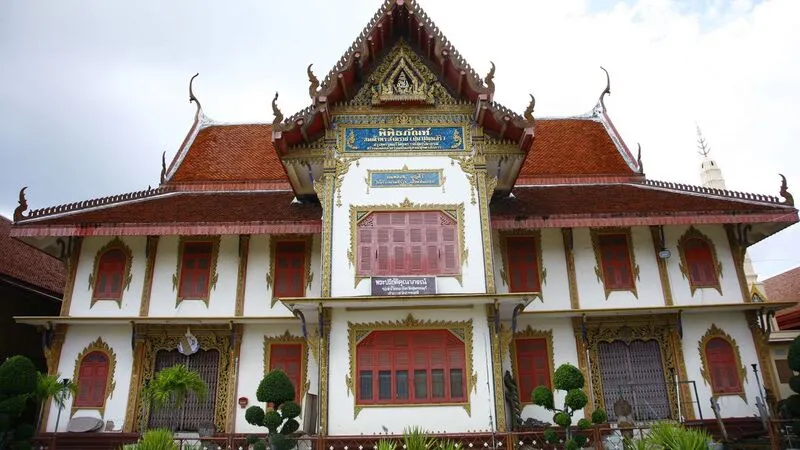
Wat Suwannaphum
Open Days: Daily
Opening Hours: 08.00 – 16.00. Advance permission is recommended for museum visits.
Wat Suwannaphum in Suphan Buri Province, also known locally as Wat Klang or Wat Mai, is an old Buddhist temple in the municipal area of Mueang Suphan Buri. Located on Phra Phanwasa Road in Tha Phi Liang Subdistrict, opposite the Mueang Suphan Buri District Office, the temple is associated with the early Ayutthaya period and has long been regarded as one of the important temples of the old town. Its most significant attraction is the Somdet Phra Sangkharat (Pun Punnasiri) Museum, a 2-storey museum established in B.E. 2514 to collect and preserve ancient objects, Buddhist images, clocks, weapons, betel sets, bowls, vases, glassware, ceramics, and rare religious objects, including a Sukhothai-period Sangkhalok alms bowl dated to around the 18th–19th Buddhist centuries.
Wat Suwannaphum is ideal for travelers who want to explore Suphan Buri beyond ordinary sightseeing. The temple brings together several important layers of local identity: an old temple from the early Ayutthaya period, a former name connected with the old urban community, a link with the Khun Chang Khun Phaen literary tradition, and a temple museum that preserves many historical objects. A visit here is therefore not only a chance to pay respect at a temple but also an opportunity to understand how Buddhism, literature, local memory, and heritage preservation come together in Suphan Buri.
The name Wat Klang, meaning the central temple, reflects the temple’s earlier role in the urban community. Temples with such names were often closely connected with the center of settlement, community activities, and religious life. Later, after major restoration work during the late reign of King Rama III and around the reign of King Rama IV, local people began calling the temple Wat Mai, or the new temple. These names preserve different moments in the temple’s history. Wat Klang reflects its older role, while Wat Mai reflects the memory of restoration and renewal.
Wat Suwannaphum is also connected with the Thai literary classic Khun Chang Khun Phaen, a story deeply associated with Suphan Buri. In local tradition, Wat Klang appears in the episode in which Khun Chang asks for Nang Phim’s hand from her mother after falsely claiming that Khun Phaen had died in battle. Nang Phim’s mother then allows the marriage and gives the house of Khun Phaen and Nang Phim to Wat Klang. This connection makes the temple an important stop for travelers interested in Thai literature and the cultural geography of Suphan Buri.
The main highlight of the temple is the Somdet Phra Sangkharat (Pun Punnasiri) Museum. The museum was established in B.E. 2514 in honor of Somdet Phra Ariyavongsagatanana, Somdet Phra Sangkharat Pun Punnasiri, the 17th Supreme Patriarch of Thailand, who was born in Suphan Buri Province. It was founded by Phra Thep Wuthachan, also known as Luang Pho Plueang, a former abbot of Wat Suwannaphum who played a major role in collecting and preserving historical objects connected with the temple and local community.
The museum building has 2 floors and stands inside the temple compound near the monastic residential area. Its purpose is not only to display old objects but to preserve memory. It connects an important Buddhist figure with his home province, the temple, and the local community. When visitors walk through the museum, the objects on display should not be seen merely as antiques. They are evidence of religious devotion, everyday life, social customs, collecting culture, and the role of temples as guardians of community heritage.
The collection includes many types of objects: Buddha images, clocks, weapons, betel sets, bowls, vases, glassware, porcelain, ceramics, old household objects, ritual items, and other materials related to Thai life in earlier periods. These objects help visitors imagine the everyday world of the past. Some items were used in homes, some in temples, some in ceremonies, and some as decorative or prestige objects. Together, they create a broad picture of social and religious life in old Suphan Buri.
One of the most important objects in the museum is the Sukhothai-period Sangkhalok alms bowl dated to around the 18th–19th Buddhist centuries. It is considered an extremely rare object and is often described as the only known piece of its kind in Thailand. The object is important because it combines ceramic history with Buddhist monastic culture. Sangkhalok ware represents one of the great achievements of Sukhothai-period ceramics, while an alms bowl is a core symbol of monastic life. Its preservation at Wat Suwannaphum makes the museum especially valuable for the study of Thai art, Buddhism, and material culture.
Sangkhalok ceramics are known for their clay body, glaze, forms, and distinctive decorative qualities. They were important products of the Sukhothai period and were connected with trade, religious use, and cultural exchange. The Sangkhalok alms bowl at Wat Suwannaphum allows visitors to think beyond one object. It opens a wider story of production, movement, offering, preservation, and the connection between Sukhothai, Suphan Buri, and central Thailand’s Buddhist networks.
The Buddha images in the museum are also worth careful observation. Each image reflects artistic style, devotional meaning, and the skill of craftsmen from different periods. Details such as facial expression, posture, material, and proportion can help visitors understand the development of Buddhist art in the central region. Seeing several Buddha images within a temple museum also reminds visitors that temples in Thailand often function as custodians of sacred art and local heritage.
Objects such as betel sets, bowls, vases, glassware, and old clocks reveal the everyday dimension of the museum. A betel set reflects social customs and hospitality in earlier Thai society. Porcelain and ceramic vessels reflect taste, trade, and domestic culture. Clocks and household objects show technological and lifestyle changes. When these objects are displayed inside a temple museum, they demonstrate how Thai temples often preserve not only sacred objects but also memories of community life.
Weapons in the collection add another dimension to the story. They are evidence of social history, conflict, self-protection, and older ideas of masculinity and status. Displayed alongside Buddha images and religious objects, they show that human life in the past included many layers: faith, ritual, daily living, danger, and protection. The museum at Wat Suwannaphum therefore offers a more complete view of local history than a collection limited only to religious objects.
The significance of the museum also lies in the fact that it is a temple museum created through the efforts of monks and the local community. Luang Pho Plueang, the former abbot, gathered and preserved many of the objects that later became the museum collection. His work shows how monks can act as local historians and heritage guardians. Visitors should therefore approach the museum with respect for both the objects and the intention behind their preservation.
Because the museum is located within an active temple compound, visitors should contact the temple or museum caretaker in advance before visiting. Advance permission helps ensure that the building can be opened and that visitors can view the displays properly. It also supports the protection of the objects, many of which are old and fragile. Those who are especially interested in history should allow enough time to look closely at the displays rather than treating the museum as a quick stop.
Besides the museum, Wat Suwannaphum offers the atmosphere of an old urban temple. Its location near the district office, town market, and important city attractions makes it easy to include in a walking or short-distance city route. Visitors can pay respect inside the temple, explore the museum, and then continue to nearby cultural sites such as Wat Phra Si Rattana Mahathat, Wat Phra Rup, the Dragon Descendants Museum, the Suphan Buri City Pillar Shrine, and Suphan Buri National Museum.
The temple’s central location is one of its strongest advantages. It stands on Phra Phanwasa Road in the municipal area, opposite the Mueang Suphan Buri District Office, and not far from the town market. Travelers staying in town can reach the temple easily by car, local transport, or a short ride from nearby hotels. For travelers with limited time, Wat Suwannaphum is a practical destination because it combines temple worship and museum learning in one place.
Getting There is straightforward. From central Suphan Buri, head to Phra Phanwasa Road. The temple is located opposite the Mueang Suphan Buri District Office. Visitors arriving from Bangkok can drive into Suphan Buri town and continue to the municipal area. The temple can easily be combined with other nearby attractions because many major cultural sites are within a few kilometers.
The best time to visit is in the morning, especially for those who want to request access to the museum. A detailed visit may take 1–2 hours, depending on how much time visitors spend with the collection. Photography inside the museum should be requested from the caretaker, especially around old objects and display cases. Because the collection contains valuable heritage items, careful behavior is essential.
Visitors should dress respectfully and behave quietly inside the temple and museum. Ancient objects should not be touched, moved, or handled without permission. The museum is not a large modern institution but a temple-based heritage collection, so visitor responsibility is especially important. Respectful conduct helps preserve the collection and allows future visitors to continue learning from it.
Wat Suwannaphum is suitable for several kinds of travelers. History lovers can learn about an early Ayutthaya-period temple in the old town. Literature enthusiasts can connect the temple with Khun Chang Khun Phaen. Museum visitors can study a wide range of objects, including the rare Sangkhalok alms bowl. Families, students, and cultural travelers can use the temple as a compact but meaningful learning site in the heart of Suphan Buri.
Overall, Wat Suwannaphum is an important cultural destination for anyone who wants to understand Suphan Buri through real objects and living temple heritage. It connects the early Ayutthaya period, the old name Wat Klang, the later memory of Wat Mai, the Khun Chang Khun Phaen tradition, Somdet Phra Sangkharat Pun Punnasiri, Luang Pho Plueang, and a remarkable museum collection. A visit here is not only a temple visit but also a journey into the memory of the city.
For a complete Suphan Buri itinerary, Wat Suwannaphum pairs well with Wat Phra Si Rattana Mahathat, Wat Phra Rup, Wat Khae, Dragon Descendants Museum, and Suphan Buri National Museum. Each site adds a different layer to the old city’s story. Wat Suwannaphum stands out for its temple museum and its preserved objects, making it a valuable stop for travelers who want to see history through material culture rather than only through monuments.
| Name | Wat Suwannaphum / Wat Klang / Wat Mai |
| Location | Phra Phanwasa Road, Tha Phi Liang Subdistrict, Mueang Suphan Buri District, Suphan Buri Province |
| Address | Wat Suwannaphum, Phra Phanwasa Road, Tha Phi Liang Subdistrict, Mueang Suphan Buri District, Suphan Buri 72160, Thailand |
| Highlights | Somdet Phra Sangkharat (Pun Punnasiri) Museum, 2-storey museum building, rare ancient objects, and a Sukhothai-period Sangkhalok alms bowl from the 18th–19th Buddhist centuries |
| History | An early Ayutthaya-period temple formerly known as Wat Klang. After restoration during the late reign of King Rama III and around the reign of King Rama IV, local people began calling it Wat Mai. |
| Literary Connection | Wat Klang appears in the Khun Chang Khun Phaen literary tradition, in the episode related to Khun Chang asking for Nang Phim’s hand and the story of offering Khun Phaen and Nang Phim’s house to the temple. |
| Distinctive Features | An old urban temple in central Suphan Buri with a temple museum preserving Buddha images, ceramics, porcelain, weapons, betel sets, clocks, vases, glassware, and important ancient objects |
| Main Museum | Somdet Phra Sangkharat (Pun Punnasiri) Museum, established in B.E. 2514 in honor of the 17th Supreme Patriarch of Thailand |
| Key Objects | Sukhothai-period Sangkhalok alms bowl from the 18th–19th Buddhist centuries, Buddha images, porcelain, ceramics, betel sets, weapons, clocks, vases, and glassware |
| Travel Information | Located on Phra Phanwasa Road opposite the Mueang Suphan Buri District Office. Easily reached from downtown Suphan Buri by private car, local transport, or hired vehicle. |
| Current Status | Open to visitors as an old temple in the municipal area. Advance contact is recommended for museum visits. |
| Open Days | Daily |
| Opening Hours | 08.00 – 16.00. Advance permission is recommended for museum visits. |
| Fees | No Museum Admission Fee |
| Facilities | Temple grounds, museum building, exhibition rooms, worship area, and parking space inside or near the temple area |
| Main Areas / Zones | 1. Temple and religious buildings 2. Somdet Phra Sangkharat (Pun Punnasiri) Museum 3. Buddha image and ancient object display area 4. Ceramics, porcelain, and Sangkhalok alms bowl display area 5. Worship and merit-making area 6. Temple courtyard in central Suphan Buri municipal area |
| Abbot / Caretaker | Phra Thep Pariyattikawi (Chesatha Chinnalayo, Pali IX), Ph.D. |
| Museum Contact Number | 08-5429-9339, Khun Direk |
| Nearby Tourist Attractions | 1. Mueang Suphan Buri District Office, about 0.1 km 2. Suphan Buri Market, about 1 km 3. Wat Phra Si Rattana Mahathat, about 1.5 km 4. Dragon Descendants Museum and Suphan Buri City Pillar Shrine, about 2 km 5. Suphan Buri National Museum, about 2 km 6. Wat Phra Rup, about 2 km 7. Wat Khae and Khum Khun Phaen, about 3 km |
| Nearby Restaurants | 1. Restaurants around Suphan Buri Market, about 1 km 2. Restaurants around Phra Phanwasa Road, about 1 km 3. Kuai Chap Chao Kao Na Wat Phra Si Rattana Mahathat, about 1.5 km 4. Playground Bistro, about 1.5 km 5. Reboot Coffee Room, about 1.5 km 6. Kopi Lang Rong Mai, about 2 km 7. Chom Duean Tharaburi Suphan Buri, about 2 km |
| Nearby Accommodations | 1. Vasidtee City Hotel, about 1 km 2. Songphanburi Hotel, about 1.5 km 3. Sri U-Thong Grand Hotel, about 1.5 km 4. Lertthanee Hotel, about 2 km 5. Sutharnlai Apartment, about 2 km 6. Soi 4 Service Residence, about 2.5 km 7. Hop Inn Suphan Buri, about 3 km |
Frequently Asked Questions (FAQ)
Q: Where is Wat Suwannaphum in Suphan Buri located?
A: Wat Suwannaphum is located on Phra Phanwasa Road, Tha Phi Liang Subdistrict, Mueang Suphan Buri District, opposite the Mueang Suphan Buri District Office.
Q: What were the former names of Wat Suwannaphum?
A: The temple was formerly known as Wat Klang. After later restoration, local people also called it Wat Mai.
Q: Why is Wat Suwannaphum important?
A: It is an early Ayutthaya-period temple in central Suphan Buri and houses the Somdet Phra Sangkharat (Pun Punnasiri) Museum, which preserves many important ancient objects.
Q: What can visitors see inside the Somdet Phra Sangkharat (Pun Punnasiri) Museum?
A: The museum displays Buddha images, clocks, weapons, betel sets, bowls, vases, glassware, porcelain, ceramics, and a rare Sukhothai-period Sangkhalok alms bowl.
Q: Is there an admission fee for the museum?
A: There is no museum admission fee, but visitors should contact the caretaker in advance before visiting.
Q: How is Wat Suwannaphum connected with Khun Chang Khun Phaen?
A: The former name Wat Klang appears in the Khun Chang Khun Phaen literary tradition, especially in the episode related to Khun Chang asking for Nang Phim’s hand and the offering of Khun Phaen and Nang Phim’s house to the temple.
Q: How can visitors get to Wat Suwannaphum?
A: From central Suphan Buri, head to Phra Phanwasa Road. The temple stands opposite the Mueang Suphan Buri District Office and is easy to reach by private car, hired vehicle, or local transport.
Q: What nearby attractions can be visited with Wat Suwannaphum?
A: Nearby attractions include Wat Phra Si Rattana Mahathat, Wat Phra Rup, Wat Khae, Dragon Descendants Museum, Suphan Buri City Pillar Shrine, and Suphan Buri National Museum.
Tel : 035523603, 035525276, 035521503
 Tel : 035523603, 035525276, 035521503
Mobile : 0810132597
 Mobile : 0810132597
 Category: ●Places of Worship
 Group: ●Temple
Last Update : 4 MonthAgo
 Last Update : 4 MonthAgo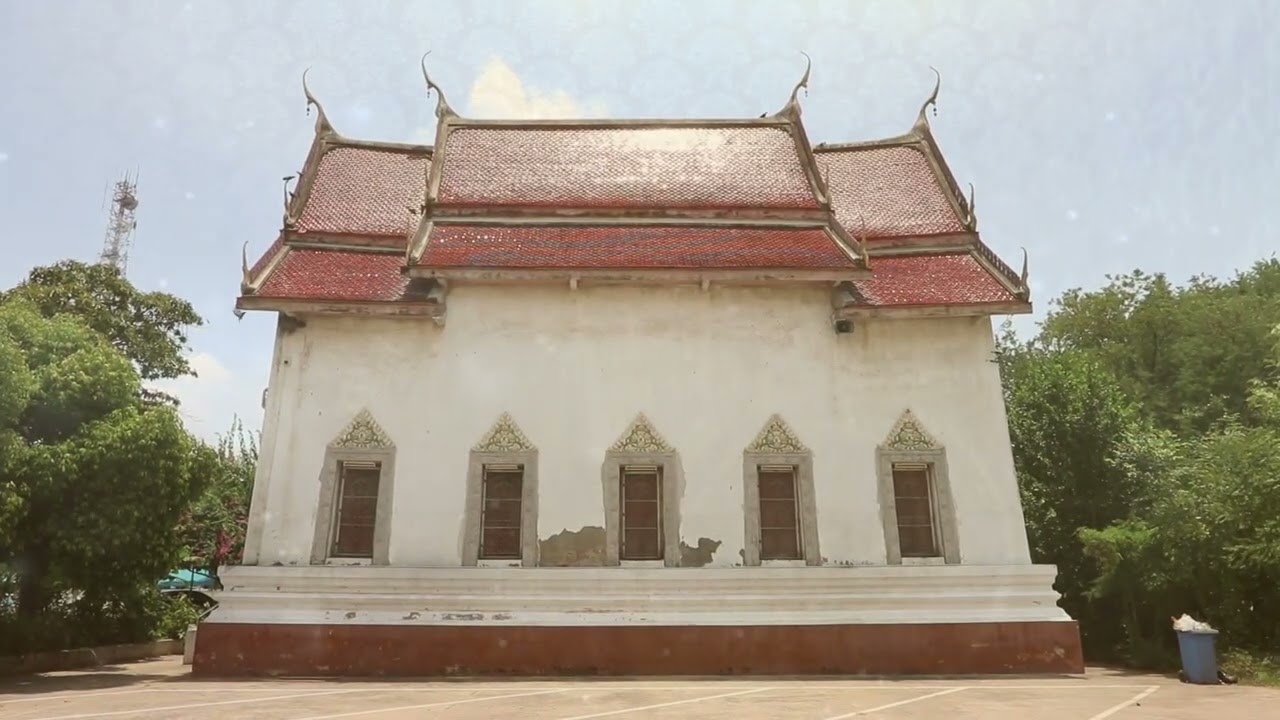
 Click to Access the Navigation Map GPS
Wat Suwannaphum Map
Recommend

 Art, Culture and Heritage
 Historical Sites and Monuments(2)
 Landmarks and Memorials(4)
 Art, Craft Centres, Tradition(2)
 Museums(5)
 Educational Places
 Educational Gardens, Farm(4)
 Training Center(2)
Temple(36)
Training Center(2)
Temple(36)
 Other Sacred Sites(4)
 Suburban Living
 Village, Community(6)
 Local Market(7)
 Floating Market(1)
 Nature and Wildlife
 National Parks and Marine Reserves(4)
 Mountain (Doi)(2)
 Dam, Reservoir, Lake(3)
 Caves(1)
 Bays and Beaches(1)
 Entertainment and Agricultural
 Farms, Parks and Ecotourism(6)
 Theater(1)
 Travel Articles, Recipes
 Travel Review, Food Review(1)


