
lovethailand home >Central Travel Attractions >Sing Buri Travel Attractions >Phrom Buri >Bang Nam Chieow > Kuan Khao Thip Tradition
TL;DR: Kuan Khao Thip Tradition, open Held According To Each Community’s Annual Schedule, hours Please Check With The Host Temple Or Local Community Before Visiting.
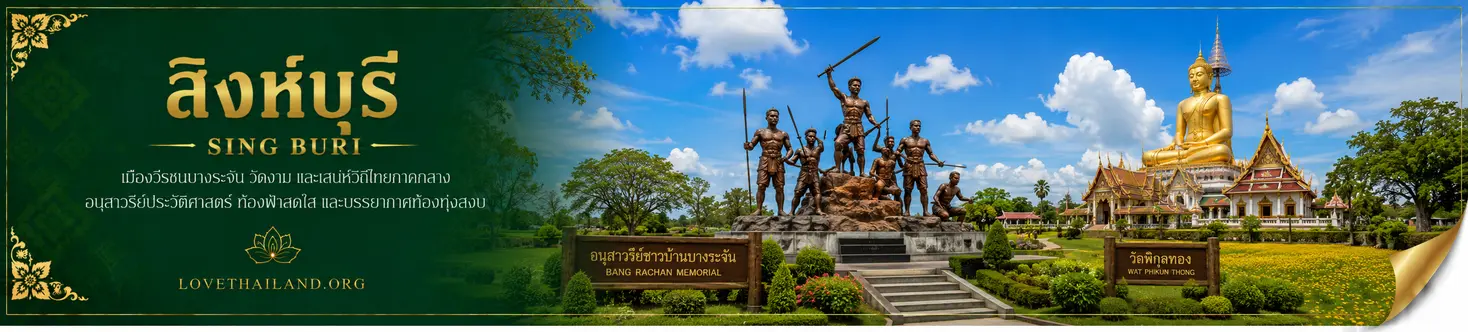
Kuan Khao Thip Tradition
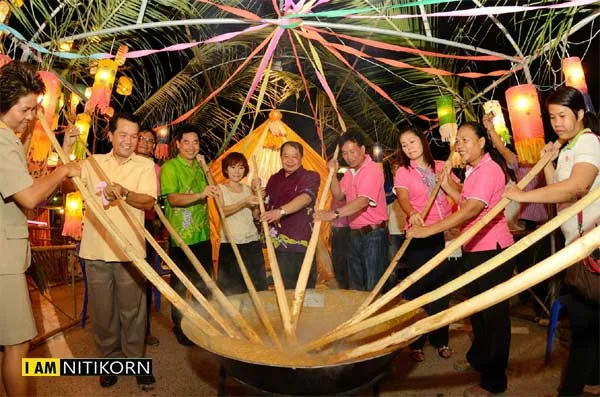
Open Days: Held According To Each Community’s Annual Schedule
Opening Hours: Please Check With The Host Temple Or Local Community Before Visiting
The Kuan Khao Thip Tradition In Sing Buri is a sacred Thai cultural tradition that reflects Buddhist faith, the symbolic importance of rice, and the unity of Thai Phuan communities in Phrom Buri District. The ritual centers on the preparation of Khao Thip, also known as Khao Mathupayas, a ceremonial sweet rice mixture offered to Buddhist monks, dedicated to the Triple Gem, and shared as merit for departed ancestors. In Sing Buri, the tradition remains especially meaningful in communities such as Ban Phokhaphiwat, Wat Kudi Thong village, Wat Uttamaphichai, and Thai Phuan communities in Phrom Buri District.
The origin of the Kuan Khao Thip tradition is deeply connected with Buddhist belief. The ceremonial food is associated with the story of Sujata, who offered milk-rice to the Buddha before his enlightenment. In Thailand, the ritual later became part of royal and community traditions, with references to ceremonies performed during the Sukhothai and Ayutthaya periods. For this reason, the tradition carries both religious and cultural meaning: it is an act of devotion, a form of merit-making, and a symbolic preparation of pure and auspicious food.
Historically, the ceremony was associated with the tenth lunar month. In present-day communities, however, the timing is often adjusted to fit the agricultural season. In Sing Buri, the ritual is commonly held when rice is in its milky stage or when the rice plants are forming grains. This seasonal connection gives the ceremony a strong agricultural meaning. It reflects the community’s gratitude for rice, its hopes for a fruitful harvest, and its dependence on the rhythm of rain, fields, and farming life.
Khao Thip is made from many nourishing and symbolic ingredients, including beans, milk, sugar, honey, sugarcane juice, sesame, butter, coconut milk, and milk extracted from young rice grains. These ingredients are cooked together in a large pan until they become a fragrant, rich, and dense ceremonial food. In cultural terms, the mixture represents the gathering of many good things into one sacred offering, just as community members come together to make merit and preserve tradition.
The importance of the Kuan Khao Thip tradition lies in its blending of Brahmanical ritual elements with Buddhist practice. A Brahmin leads the ceremonial procedures, offerings are arranged, participants observe moral precepts, and the finished Khao Thip is offered to monks and dedicated as merit. This combination reflects the layered nature of Thai religious culture, where local belief, Brahmanical ritual, Buddhist devotion, and community practice exist together in a single ceremony.
In Sing Buri, the tradition is particularly significant among Thai Phuan communities in Phrom Buri District. Villagers gather to prepare ingredients, set up the ceremonial area, cook the mixture, offer it to monks, and share the merit together. The ceremony is not only a religious act but also a display of community cooperation. Farmers and non-farmers alike take part, showing that rice culture belongs to the whole community, not only to those who work in the fields.
The traditional ceremony is highly detailed. Before the ritual begins, villagers prepare the ceremonial shelter, cooking pans, firewood, utensils, and ingredients. During the ritual, a Brahmin performs the ceremony, and young virgin girls traditionally take part in stirring the Khao Thip. They are required to observe the Eight Precepts, symbolizing purity and discipline. In this context, purity refers not only to the participants themselves, but also to the sincerity and moral intention behind the offering.
The atmosphere of the ceremony is both sacred and warm. The smell of coconut milk, honey, sugarcane juice, sesame, and young rice fills the air while villagers take turns stirring the mixture in a large pan. The act of stirring requires patience, strength, and cooperation. It is therefore both a cooking process and a moral lesson: the success of the ritual depends on unity, endurance, and shared faith.
The Kuan Khao Thip tradition contains many ethical and symbolic meanings. The many ingredients mixed together can be seen as a metaphor for community members who have different roles but come together for a shared purpose. The long stirring process teaches perseverance. The final offering to monks and sharing with participants reflect generosity, gratitude, merit-making, and remembrance of ancestors.
For Thai Phuan communities, Kuan Khao Thip is part of a wider cultural identity connected with other traditions such as Kam Fa, Sart Phuan or the food-offering tradition, and rice-related rituals. Its survival shows that Thai Phuan culture is preserved not only through language, clothing, and food, but also through ritual practice, seasonal rhythm, temple life, and community memory.
For travelers interested in cultural tourism, the tradition offers insight into religion, food culture, ethnicity, and agricultural life. Visitors can also learn more at the Thai Phuan Arts and Cultural Center at Wat Kudi Thong, where local tools, household objects, reconstructed Phuan living spaces, and information about Thai Phuan traditions are displayed. Seeing the cultural center and attending the ceremony together helps visitors understand that Khao Thip is not simply a ceremonial dessert, but a symbol of the relationship between people, nature, religion, rice, and community memory.
Getting There for visitors interested in the Thai Phuan cultural area of Sing Buri begins with traveling from Bangkok to Sing Buri Province, a distance of about 132 km. From Sing Buri town, Phrom Buri District is about 15 km away. Important cultural areas related to this tradition include Wat Kudi Thong, Ban Phokhaphiwat, and Thai Phuan communities in Phrom Buri District. Visitors should check the annual schedule with the host temple, local community, or local authorities before traveling, because the ceremony date depends on the rice season and community readiness.
Visitors should dress respectfully, observe the ritual quietly, avoid disturbing ritual leaders or participants, and not touch ceremonial items or cooking equipment without permission. This tradition is a sacred merit-making event and community heritage, not merely a tourist performance. Listening to local explanations with respect will make the experience more meaningful and help support the continuation of this living tradition.
| Tradition Name | Kuan Khao Thip Tradition / Khao Mathupayas Stirring Ceremony |
| Important Areas In Sing Buri | Wat Kudi Thong village, Ban Phokhaphiwat, Wat Uttamaphichai, and Thai Phuan communities in Phrom Buri District |
| Event Period | Held according to each community’s annual schedule, usually connected with the milky rice stage or rice grain-forming season |
| Importance | A Buddhist merit-making ceremony to offer Khao Mathupayas, honor the Triple Gem, dedicate merit, and express community unity |
| History | Rooted in royal and community ceremonies traditionally associated with the tenth lunar month, with continuity from the Sukhothai and Ayutthaya periods |
| Buddhist Origin | Associated with the story of Sujata offering milk-rice to the Buddha before his enlightenment |
| Main Ingredients | Beans, milk, sugar, honey, sugarcane juice, sesame, butter, coconut milk, and milk extracted from young rice grains |
| Main Rituals | Brahmin-led ceremony, young virgin participants observing the Eight Precepts, community preparation of ingredients, stirring, offering to monks, and dedication of merit |
| Distinctive Features | A ritual blending Brahmanical and Buddhist elements while expressing community cooperation through the collective stirring of Khao Thip |
| Travel Information | About 132 km from Bangkok to Sing Buri Province, and about 15 km from Sing Buri town to Phrom Buri District; check with the host temple or local community before visiting |
| Current Status | Still preserved among Thai Phuan communities in parts of Phrom Buri District, Sing Buri Province |
| Visitor Guidelines | Dress respectfully, observe quietly, avoid disturbing ritual participants, and check the annual schedule before traveling |
| Related Learning Site | Thai Phuan Arts And Cultural Center, Wat Kudi Thong, Bang Nam Chiao Subdistrict, Phrom Buri District, Sing Buri Province |
Frequently Asked Questions (FAQ)
Q: What is the Kuan Khao Thip tradition?
A: It is a ceremony in which Khao Mathupayas or Khao Thip is prepared as a Buddhist offering to monks, dedicated to the Triple Gem, and shared as merit for ancestors.
Q: Where is the Kuan Khao Thip tradition practiced in Sing Buri?
A: Important areas include Wat Kudi Thong village, Ban Phokhaphiwat, Wat Uttamaphichai, and Thai Phuan communities in Phrom Buri District.
Q: When is the Kuan Khao Thip ceremony held?
A: The ceremony was traditionally linked with the tenth lunar month, but in Sing Buri it is usually scheduled around the milky rice or rice grain-forming stage, depending on each community’s annual plan.
Q: What ingredients are used in Khao Thip?
A: Main ingredients include beans, milk, sugar, honey, sugarcane juice, sesame, butter, coconut milk, and milk extracted from young rice grains.
Q: Why do young virgin girls take part in the ceremony?
A: In traditional belief, they symbolize purity. They observe the Eight Precepts and take part in the ritual with sincere intention as part of the Buddhist offering.
Q: How is the tradition related to Thai Phuan culture?
A: Thai Phuan communities in Phrom Buri District preserve the ceremony as part of their cultural identity, linking rice farming, Buddhist faith, and community unity.
Q: What should visitors do before attending the ceremony?
A: Visitors should check the annual schedule with the host temple or local community, dress respectfully, and follow local guidance during the ritual.
 Category: ●Art, Culture and Heritage
 Group: ●Art, Craft Centres, Tradition
Last Update : 4 MonthAgo
 Last Update : 4 MonthAgo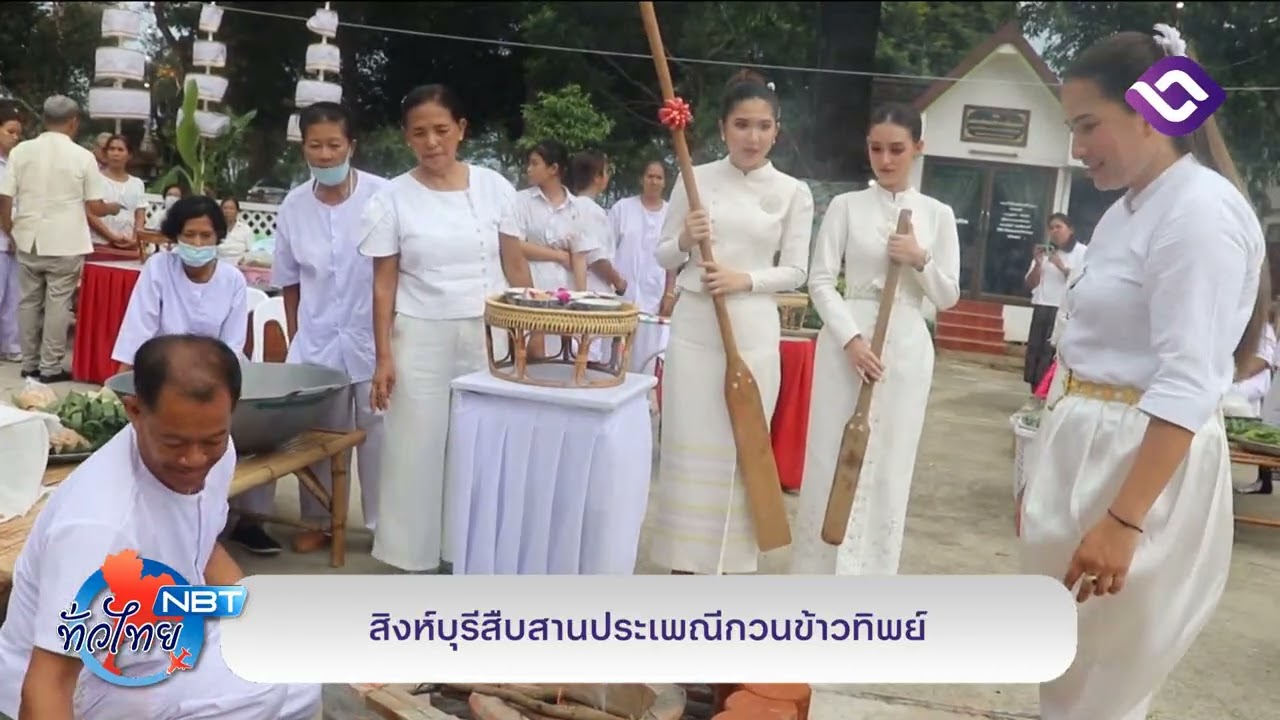

 Historical Sites and Monuments(4)
 Landmarks and Memorials(3)
Art, Craft Centres, Tradition(3)
Landmarks and Memorials(3)
Art, Craft Centres, Tradition(3)
 Museums(1)
 Educational Places
 Library(1)
 Places of Worship
 Temple(42)
 Church(1)
 Other Sacred Sites(2)
 Research and Development
 Royal Project(3)
 Suburban Living
 Village, Community(1)
 Local Market(1)
 Nature and Wildlife
 National Parks and Marine Reserves(1)
 River, Canal(7)
 Bays and Beaches(1)
 Other natural attractions(2)
 Entertainment and Agricultural
 Animal camps and shows(1)
 Farms, Parks and Ecotourism(1)


