
lovethailand home >Central Travel Attractions >Sing Buri Travel Attractions >Muang Sing Buri >Ton Pho > Wat Si Sakhon
TL;DR: Wat Si Sakhon is located at Moo 8, Ton Pho Subdistrict, Mueang Sing Buri District, Sing Buri Province, open Daily, hours Official Opening Hours Not Publicly Specified.
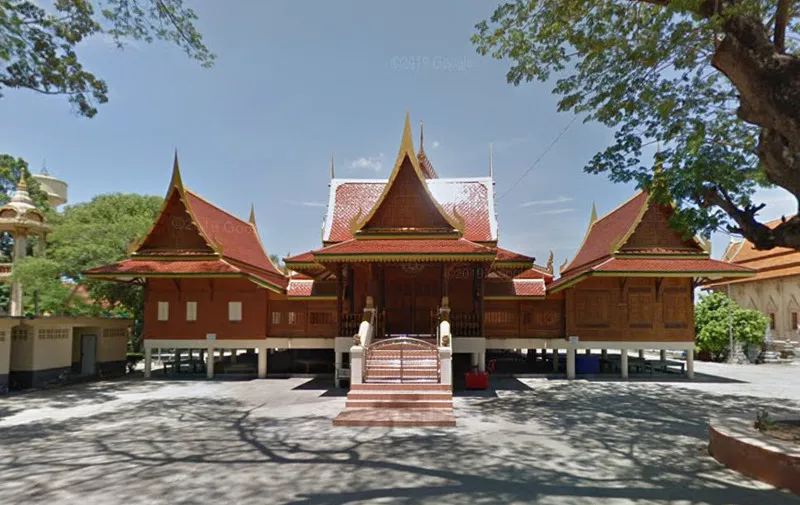
Wat Si Sakhon
Open Days: Daily
Opening Hours: Official Opening Hours Not Publicly Specified
Wat Si Sakhon in Sing Buri Province is a local Buddhist temple in Ton Pho Subdistrict, Mueang Sing Buri District. Although it is less widely known among mainstream travelers than some of Sing Buri’s larger royal temples, it is an important faith-based destination for those interested in local Buddhist culture, community temples, and the life story of revered Thai monks. The temple is especially associated with Phra Khru Mongkhon Nawakan, better known as Luang Pho Chab Mangkhalo, a respected former abbot and monk whose reputation remains deeply connected with Wat Si Sakhon and the local community of Ton Pho.
Wat Si Sakhon is located in Moo 8 of Ton Pho Subdistrict, within Mueang Sing Buri District. Its setting places it close to several important cultural sites in the city area, including Wat Sawang Arom and its Nang Yai Museum, Sing Buri City Pillar Shrine, and Wat Phra Non Chakkrasi Worawihan. This makes the temple suitable for travelers who want to explore Sing Buri beyond the most famous attractions. A visit here offers a quieter and more intimate experience of a living community temple.
The temple is best understood through the story of Luang Pho Chab Mangkhalo. His original name was Chab Duangdara, and he was a native of Sing Buri. He ordained at Wat Si Sakhon on 16 April 1948 and later became closely associated with the temple throughout his monastic life. He studied Buddhist teachings, meditation, and traditional spiritual disciplines with several teachers and later returned to Wat Si Sakhon, where he eventually became abbot. This life story gives the temple a strong biographical and devotional identity.
For Thai Buddhists, a temple connected with a revered monk carries meaning beyond its buildings. It becomes a place of memory, gratitude, and spiritual continuity. Wat Si Sakhon is one such place. Visitors who come here are not only visiting a temple compound; they are entering a landscape of faith shaped by the life and reputation of Luang Pho Chab. His name remains familiar to many people interested in Sing Buri’s monk traditions, amulets, and local Buddhist devotion.
Luang Pho Chab was remembered for his simple way of life, discipline, and kindness. In the later years of his life, he was widely known among devotees for his secluded practice and for receiving visitors in a limited and respectful manner. His reputation did not come from grand public activity alone, but from personal conduct, spiritual discipline, and the confidence that devotees placed in him. This is one of the reasons Wat Si Sakhon remains meaningful for people who value the role of monks as spiritual guides in local Thai society.
Inside Wat Si Sakhon, visitors can find the atmosphere of a community temple rather than a large commercialized tourist site. The temple compound includes religious buildings and activity areas used for merit-making, ceremonies, and local Buddhist events. Its identity is shaped by the ordination hall, sermon hall, multipurpose buildings, and spaces used for annual ceremonies such as Kathin. These areas reflect the way Thai community temples develop through the combined faith of monks and lay supporters.
Recent public temple activity information lists Wat Si Sakhon as a local temple with Phra Palat Samnuan Punyakamo as the current abbot. This confirms that the temple remains active and continues to function as a Buddhist institution in Ton Pho Subdistrict. Annual Kathin activities also show the continuing relationship between the temple and its lay community. Kathin is one of the most important post-rainy-season Buddhist traditions in Thailand, during which laypeople offer robes and support to the monastic community.
Wat Si Sakhon is valuable for travelers who want to understand how ordinary Thai temples sustain local religious life. Not every meaningful temple is defined by monumental architecture or large tourist crowds. Many important temples are remembered because of a monk, a community, a practice, or a local tradition. Wat Si Sakhon belongs to this category. Its value lies in devotion, continuity, and the lived relationship between Buddhism and the people of Ton Pho.
A visit to Wat Si Sakhon should be quiet and respectful. Travelers should dress modestly, speak softly, and avoid entering monks’ private areas without permission. If taking photographs, avoid photographing monks or local worshippers without consent. If visitors wish to learn more about Luang Pho Chab or the temple’s history, it is best to ask temple caretakers politely. Local temples often preserve details through oral memory, and respectful conversation can make the visit more meaningful.
Wat Si Sakhon can also be included in a cultural route around Mueang Sing Buri. A meaningful itinerary may begin at Wat Si Sakhon, continue to Wat Sawang Arom to see the Nang Yai Museum, then visit Wat Phra Non Chakkrasi Worawihan to pay respect to the large reclining Buddha. Travelers can also include Sing Buri City Pillar Shrine, Wat Prachotikaram, or Wat Kradangnga Buppharam depending on time. This route allows visitors to experience local monk devotion, traditional performing arts, a royal temple, and old community temples in one journey.
For those interested in Thai monk biographies, Wat Si Sakhon is an important stop because it shows how a local temple can become known through the life of a respected monk. Luang Pho Chab’s ordination, practice, teaching lineage, and service to the temple all form part of the temple’s identity. This type of religious heritage is highly important in Thailand, where temples are often remembered through the monks who shaped them.
For families and students, the temple can be used as a quiet learning space about temple etiquette, merit-making, and the role of monks in Thai communities. Children can learn why Thai people visit temples, how annual ceremonies such as Kathin support monastic life, and why people continue to honor former abbots and teachers. Such lessons are easier to understand when experienced at a real temple rather than only through books or classroom explanations.
Getting There is convenient from downtown Sing Buri. Travelers should head toward Ton Pho Subdistrict and search for Wat Si Sakhon, Moo 8, Ton Pho Subdistrict, Mueang Sing Buri District, Sing Buri Province. A private car is the easiest option, especially for combining the visit with nearby temples and cultural attractions. Travelers using public transport can begin from Sing Buri town or the bus station and continue by local taxi or hired transport to the temple.
The best time to visit is during daylight hours, especially in the morning or afternoon. Since official opening hours are not publicly specified, travelers should avoid very early morning or late evening visits unless attending a confirmed temple event. Those who wish to join annual ceremonies such as Kathin should check announcements from the temple or local community in advance.
Overall, Wat Si Sakhon is a meaningful local temple in Sing Buri. Its importance lies in its connection with Luang Pho Chab Mangkhalo, its role as a living Buddhist temple in Ton Pho Subdistrict, and its continuing relationship with community merit-making. For travelers seeking a deeper and quieter cultural experience in central Thailand, Wat Si Sakhon offers a sincere view of local Buddhist faith beyond the more familiar tourist routes.
| Name | Wat Si Sakhon |
| Location | Moo 8, Ton Pho Subdistrict, Mueang Sing Buri District, Sing Buri Province |
| Address | Wat Si Sakhon, Moo 8, Ton Pho Subdistrict, Mueang Sing Buri District, Sing Buri 16000, Thailand |
| Highlights | A local Buddhist temple associated with Phra Khru Mongkhon Nawakan, or Luang Pho Chab Mangkhalo, a respected former abbot and revered monk of Sing Buri |
| History | A community temple in Ton Pho Subdistrict, closely connected with Luang Pho Chab Mangkhalo, who ordained at Wat Si Sakhon on 16 April 1948 and later became the temple’s abbot |
| Distinctive Features | A quiet living temple known for local faith, community merit-making, and the continuing memory of Luang Pho Chab |
| Main Areas / Zones | 1. Ordination Hall of Wat Si Sakhon 2. Worship and Merit-Making Area 3. Area Associated with the Memory of Luang Pho Chab Mangkhalo 4. Sermon Hall and Temple Activity Buildings 5. Kathin and Annual Merit-Making Area 6. Temple Grounds and Ton Pho Community Area |
| Travel Information | From downtown Sing Buri, travel toward Ton Pho Subdistrict and set the destination as Wat Si Sakhon, Moo 8, Ton Pho Subdistrict. Private car or local hired transport from Sing Buri town is recommended |
| Current Status | Open as an active local Buddhist temple |
| Open Days | Daily |
| Abbot / Caretaker | Phra Palat Samnuan Punyakamo, Abbot of Wat Si Sakhon |
| Main Contact Number | Ton Pho Subdistrict Administrative Organization: 0-3651-0517 |
| Official Website / Official Page | Local Website: Ton Pho Subdistrict Administrative Organization |
| Nearby Tourist Attractions | 1. Wat Sawang Arom and Nang Yai Museum, about 2 km 2. Sing Buri City Pillar Shrine, about 3 km 3. Wat Phra Non Chakkrasi Worawihan, about 5 km 4. Wat Prachotikaram, about 6 km 5. Wat Kradangnga Buppharam, about 7 km |
| Nearby Restaurants | 1. Kuai Tiao Sut Boran By Khun Yai Tom No.8 @ Wat Si Sakhon, about 0.5 km 2. Hoi Thot & Pad Thai SEAMAN Wat Si Sakhon, about 1 km 3. Pad Thai Bang Mon, about 2 km, Tel. 062-329-3531 4. Lueat Mu Hia Lek, about 3 km, Tel. 083-963-6577, 081-293-5861 5. Kuai Tiao Ruea Soda (Chama Kala), about 5 km |
| Nearby Accommodations | 1. Baanbudsarin Apartment, about 3 km 2. Chaisaeng Villa Hotel, about 3 km 3. Golden Dragon Resort, about 4 km 4. Central Park Hotel, about 5 km 5. Sumali Villa, about 6 km |
Frequently Asked Questions (FAQ)
Q: Where is Wat Si Sakhon located?
A: Wat Si Sakhon is located in Moo 8, Ton Pho Subdistrict, Mueang Sing Buri District, Sing Buri Province.
Q: What is Wat Si Sakhon known for?
A: Wat Si Sakhon is known for its connection with Phra Khru Mongkhon Nawakan, or Luang Pho Chab Mangkhalo, a respected former abbot and revered monk of Sing Buri.
Q: Who was Luang Pho Chab Mangkhalo?
A: Luang Pho Chab Mangkhalo was a former abbot of Wat Si Sakhon and a respected monk known for his simple conduct, meditation practice, and deep local devotion.
Q: Who is the current abbot of Wat Si Sakhon?
A: The current abbot listed in recent public temple activity information is Phra Palat Samnuan Punyakamo.
Q: What are the opening hours of Wat Si Sakhon?
A: The temple functions as a Buddhist temple daily, but official opening hours are not publicly specified. Daylight visits are recommended.
Q: How can travelers get to Wat Si Sakhon?
A: From downtown Sing Buri, travel toward Ton Pho Subdistrict and search for Wat Si Sakhon, Moo 8. Private car or local hired transport is the most convenient option.
Q: What nearby attractions can be visited with Wat Si Sakhon?
A: Nearby attractions include Wat Sawang Arom and the Nang Yai Museum, Sing Buri City Pillar Shrine, Wat Phra Non Chakkrasi Worawihan, Wat Prachotikaram, and Wat Kradangnga Buppharam.
Q: How should visitors behave at Wat Si Sakhon?
A: Visitors should dress modestly, speak quietly, avoid entering monks’ private areas without permission, and avoid photographing monks or worshippers without consent.
 Category: ●Places of Worship
 Group: ●Temple
Last Update : 3 MonthAgo
 Last Update : 3 MonthAgo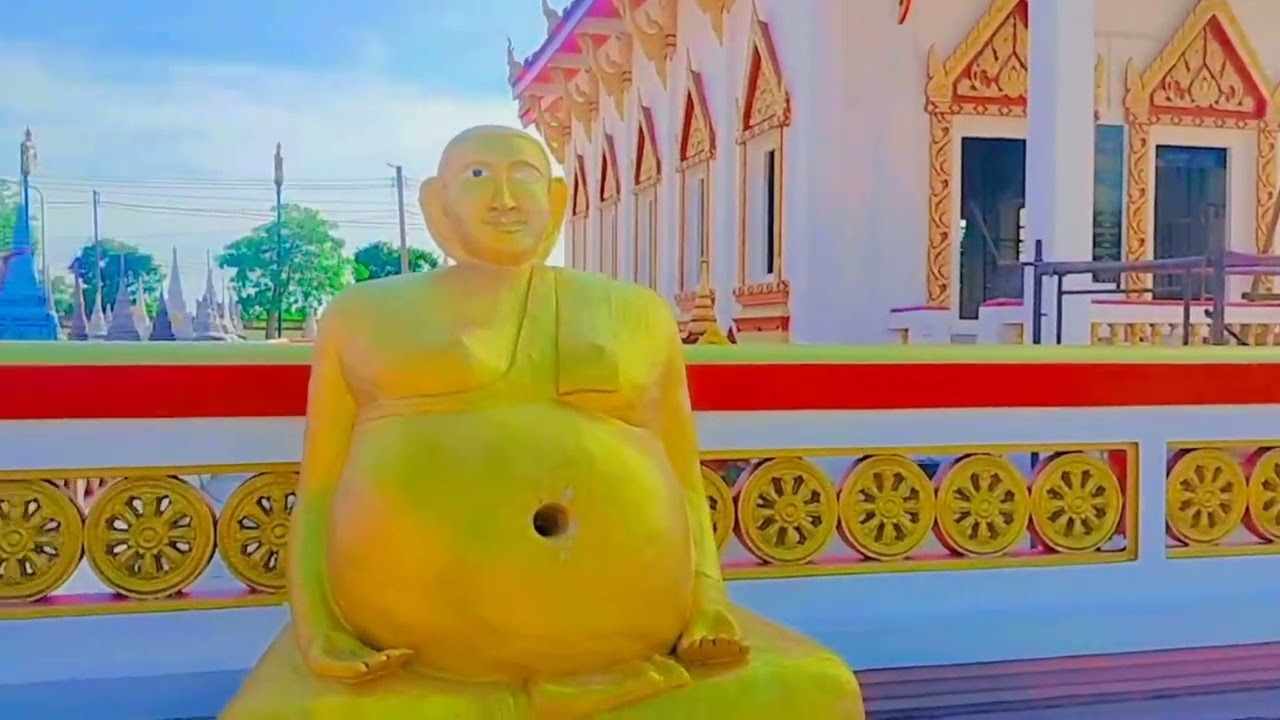
 Click to Access the Navigation Map GPS
 Art, Culture and Heritage
 Historical Sites and Monuments(4)
 Landmarks and Memorials(3)
 Art, Craft Centres, Tradition(3)
 Museums(1)
 Educational Places
 Library(1)
Temple(42)
Library(1)
Temple(42)
 Church(1)
 Other Sacred Sites(2)
 Research and Development
 Royal Project(3)
 Suburban Living
 Village, Community(1)
 Local Market(1)
 Nature and Wildlife
 National Parks and Marine Reserves(1)
 River, Canal(7)
 Bays and Beaches(1)
 Other natural attractions(2)
 Entertainment and Agricultural
 Animal camps and shows(1)
 Farms, Parks and Ecotourism(1)


