
lovethailand home >North Travel Attractions >Sukhothai Travel Attractions >Ban Dan Lan Hoi >Lan Hoi > Luang Pho Pi
TL;DR: Luang Pho Pi is located at Wat Lan Hoi, Lan Hoi Subdistrict, Ban Dan Lan Hoi District, Sukhothai Province, open Daily, hours 08.00 - 17.00.
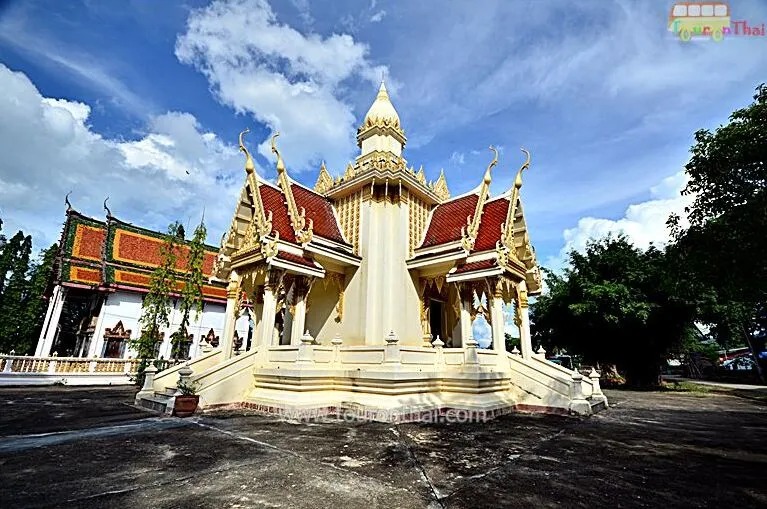
Luang Pho Pi
Open Days: Daily
Opening Hours: 08.00 - 17.00
Luang Pho Pi of Wat Lan Hoi, formally known as Phra Khru Suwichanaworawut (Pi Thinno), is one of the most respected Buddhist masters associated with Sukhothai Province. Although he passed away on January 11, 1974, his name remains strongly remembered among devotees, amulet collectors, and people interested in the history of Thai Buddhist masters. Wat Lan Hoi in Ban Dan Lan Hoi District, Sukhothai Province, is therefore an important destination for those who wish to pay respect to Luang Pho Pi, learn about his life, and understand the continuing faith surrounding his image and sacred objects.
Luang Pho Pi was born as Pi Chusuk on October 15, 1902, in Lan Hoi Subdistrict, Ban Dan Lan Hoi District, Sukhothai Province. He grew up in a rural environment where the temple was central to community life. After entering the monkhood, he received the Pali monastic name “Thinno” and later became known by his ecclesiastical title Phra Khru Suwichanaworawut. His calm personality, strict observance of monastic discipline, and strong spiritual practice made him widely respected by local people and devotees beyond Sukhothai.
Wat Lan Hoi is a local Buddhist temple in Lan Hoi Subdistrict, Ban Dan Lan Hoi District. It is closely associated with the memory of Luang Pho Pi and continues to serve as a community temple where people make merit, listen to sermons, and join Buddhist activities throughout the year. A visit to Wat Lan Hoi is not only about seeing a sacred image or an amulet-related site; it is also a chance to experience the local setting that shaped the life and reputation of this revered monk.
Luang Pho Pi’s reputation was built on his conduct, discipline, and spiritual dedication. He is remembered as a monk of perseverance, patience, and calmness. Accounts of his life mention his practice of forest wandering, or thudong, in various places. In Thai Buddhist tradition, thudong practice is not simply travel. It is a discipline of simplicity, mindfulness, endurance, and detachment. This background helped form the image of Luang Pho Pi as a monk of strong inner practice.
Luang Pho Pi was also connected to Phra Ratchaprasitthikhun, or Luang Pho Thim Yasathinno of Wat Ratchathani, an important senior monk of Sukhothai. This teacher-disciple connection helps place Luang Pho Pi within a wider lineage of Buddhist learning and practice in the province. It also shows that his reputation did not arise only from stories of sacred power, but from training, discipline, and the religious environment in which he lived.
Among devotees, Luang Pho Pi’s sacred objects are especially well known. Amulets, cast images, rings, and medals connected with him are respected for qualities traditionally associated with loving-kindness, protection, safety, and spiritual confidence. For many Thai devotees, such objects serve as reminders of a teacher’s virtue and as encouragement to live with mindfulness, morality, and courage. Their value is therefore not only material or collectible, but also emotional, spiritual, and cultural.
The cast image of Luang Pho Pi is one of the most meaningful objects for devotees. In Thai Buddhist culture, a cast image of a revered monk is not merely a sculpture. It represents gratitude, memory, and respect for a teacher whose conduct inspired people. The form, expression, and artistic quality of such images also reflect Thai devotional art. For this reason, Luang Pho Pi’s cast images are appreciated both as objects of faith and as part of the local amulet heritage of Sukhothai.
For amulet collectors, Luang Pho Pi is an important name in the history of Sukhothai Buddhist amulets. His sacred objects are studied through their materials, forms, production periods, inscriptions, casting details, and historical context. Responsible collectors usually study the background carefully, as authenticity and provenance are essential in the world of Thai amulets. However, beyond collecting, the deeper value of these objects lies in the memory of Luang Pho Pi’s virtue and the faith that people continue to place in him.
The popularity of Luang Pho Pi’s amulets also reflects the relationship between Buddhism and daily life in Thailand. Many people wear or keep sacred objects not only for protection, but also as reminders to behave well, speak honestly, maintain mindfulness, and respect the teachings of the Buddha. In this sense, devotion to Luang Pho Pi should be understood together with moral conduct. The true strength of Buddhist faith is closely connected with the actions and intentions of the devotee.
Wat Lan Hoi therefore connects several layers of meaning: the history of a revered monk, local Buddhist practice, community memory, and the culture of Thai sacred objects. Visitors can pay respect, make merit, and learn about one of Sukhothai’s respected Buddhist masters. The temple atmosphere is simple and local, making it suitable for a calm visit rather than hurried sightseeing.
In the cultural history of Ban Dan Lan Hoi, Luang Pho Pi remains an important figure. Local Buddhist masters often played roles beyond temple rituals. They served as moral guides, spiritual supports, community leaders, and sources of advice for villagers. The fact that Luang Pho Pi is still remembered decades after his passing shows how deeply his life and reputation are rooted in local memory.
Luang Pho Pi passed away on January 11, 1974, but faith in him did not disappear. His name continues through disciples, amulet records, sacred objects, and stories shared by local people. Paying respect to his image or studying his life helps younger generations understand the importance of Buddhist teachers in Thai communities. It also keeps alive the values of discipline, compassion, perseverance, and calmness that devotees associate with him.
Getting There is most convenient by private car or rental car. Travelers can depart from Sukhothai town and head toward Ban Dan Lan Hoi District, then continue to Lan Hoi Subdistrict. The temple is located within the local community area. Using a map application is recommended, especially for visitors who are not familiar with the district. The trip can be combined with nearby natural and historical attractions such as Ramkhamhaeng National Park, Khao Luang, Sai Rung Waterfall, Saritphong Dam, and Sukhothai Historical Park.
Visitors to Wat Lan Hoi should dress respectfully and behave calmly within the temple grounds. When paying respect to Luang Pho Pi’s image or other sacred areas, visitors should avoid loud behavior and should not disturb monks or worshippers. Photography should be done politely, especially around worship areas. A respectful attitude will make the visit more meaningful and appropriate for a living Buddhist temple.
Those interested in Luang Pho Pi’s sacred objects should begin by learning about his life and conduct before studying specific amulet types. Medals, cast images, rings, and other objects should be studied through reliable sources, including their production history, materials, forms, and provenance. Faith and collecting should be approached carefully and respectfully, so that the spiritual meaning of the objects is not reduced to price alone.
Luang Pho Pi represents the enduring importance of local Buddhist masters in Thai culture. His memory combines religious devotion, personal discipline, community history, and the Thai amulet tradition. Wat Lan Hoi is therefore a worthwhile place for travelers interested in northern Thai Buddhist masters, Sukhothai local temples, sacred objects, and the living faith that continues from the past into the present.
Overall, visiting Wat Lan Hoi to pay respect to Luang Pho Pi is not only a religious act. It is also a way to understand Sukhothai’s local spiritual heritage. The memory of Luang Pho Pi lives through his image, his sacred objects, the stories of devotees, and the continuing role of Wat Lan Hoi as a community temple. For foreign travelers who want to understand Thai faith beyond famous historical monuments, this temple offers a quieter but meaningful experience.
| Name | Luang Pho Pi of Wat Lan Hoi |
| Location | Wat Lan Hoi, Lan Hoi Subdistrict, Ban Dan Lan Hoi District, Sukhothai Province |
| Address | Ban Lan Hoi, Moo 1, Lan Hoi Subdistrict, Ban Dan Lan Hoi District, Sukhothai Province 64140 |
| Highlights | A place to pay respect to Luang Pho Pi, or Phra Khru Suwichanaworawut (Pi Thinno), a revered Buddhist master of Sukhothai |
| History | Luang Pho Pi was born on October 15, 1902, in Lan Hoi Subdistrict, Ban Dan Lan Hoi District, Sukhothai Province, and passed away on January 11, 1974 |
| Distinctive Features | Luang Pho Pi is remembered for his discipline, forest-wandering practice, calm conduct, and sacred objects respected by devotees |
| Important Objects | Cast image of Luang Pho Pi, worship area within Wat Lan Hoi, and Buddhist spaces for local merit-making |
| Tradition / Ritual | Paying respect to Luang Pho Pi, Buddhist holy day merit-making, Kathin ceremony, Pha Pa merit-making, and temple religious activities |
| Travel Information | Travel by private car or rental car from Sukhothai town toward Ban Dan Lan Hoi District and Lan Hoi Subdistrict; using a map application is recommended |
| Current Status | Open as a local Buddhist temple and a place where devotees pay respect to Luang Pho Pi in Sukhothai Province |
| Open Days | Daily |
| Opening Hours | 08.00 - 17.00 |
| Abbot / Caretaker | Phra Khru Phaichot Sasanakhun |
| Nearby Tourist Attractions | 1. Ramkhamhaeng National Park, about 15 km 2. Khao Luang Sukhothai, about 18 km 3. Sai Rung Waterfall, about 22 km 4. Saritphong Dam, about 30 km 5. Sukhothai Historical Park, about 35 km 6. Ramkhamhaeng National Museum, about 36 km |
| Nearby Restaurants | 1. Inter Restaurant Ban Dan Lan Hoi, about 2 km, Tel. 089-8580861 2. Steak 89, about 2 km, Tel. 061-3054019 3. Somchai Mu Jum, about 2 km 4. Local Coffee Shop in Ban Dan Lan Hoi, about 2 km 5. Local Noodle Shop in Ban Dan Lan Hoi, about 2 km 6. Local Thai Food Restaurant in Ban Dan Lan Hoi, about 2 km |
| Nearby Accommodations | 1. Ban Dan Resort, about 3 km, Tel. 062-2804573 2. Chomalee Place Resort, about 3 km 3. Chomalee Place Guest House, about 3 km 4. Aromdee Resort Sukhothai, about 8 km 5. Baanmo Resort Sukhothai, about 12 km 6. Watthanawan Resort, about 12 km |
Frequently Asked Questions (FAQ)
Q: Who was Luang Pho Pi of Wat Lan Hoi?
A: Luang Pho Pi was Phra Khru Suwichanaworawut (Pi Thinno), a respected Buddhist master of Sukhothai and former abbot associated with Wat Lan Hoi.
Q: When was Luang Pho Pi born and when did he pass away?
A: Luang Pho Pi was born on October 15, 1902, and passed away on January 11, 1974.
Q: Where is Wat Lan Hoi located?
A: Wat Lan Hoi is located in Lan Hoi Subdistrict, Ban Dan Lan Hoi District, Sukhothai Province.
Q: What are Luang Pho Pi’s sacred objects known for?
A: Devotees respect them for loving-kindness, protection, safety, and auspiciousness, while also seeing them as reminders of moral conduct and faith.
Q: Why is the cast image of Luang Pho Pi important?
A: It represents devotion, gratitude, and remembrance of a revered Buddhist master, and has value in both spiritual and local amulet culture.
Q: How can travelers get to Wat Lan Hoi?
A: The most convenient way is by private car or rental car from Sukhothai town toward Ban Dan Lan Hoi District and Lan Hoi Subdistrict.
Q: What nearby attractions can be visited with Wat Lan Hoi?
A: Nearby attractions include Ramkhamhaeng National Park, Khao Luang, Sai Rung Waterfall, Saritphong Dam, Sukhothai Historical Park, and Ramkhamhaeng National Museum.
 Category: ●Places of Worship
 Group: ●Other Sacred Sites
Last Update : 3 MonthAgo
 Last Update : 3 MonthAgo
 Click to Access the Navigation Map GPS
 Art, Culture and Heritage
 Historical Sites and Monuments(4)
 Landmarks and Memorials(5)
 Art, Craft Centres, Tradition(11)
 Museums(5)
 Temple(40)
Other Sacred Sites(10)
Temple(40)
Other Sacred Sites(10)
 Suburban Living
 Village, Community(3)
 Nature and Wildlife
 National Parks and Marine Reserves(3)
 Mountain (Doi)(2)
 Dam, Reservoir, Lake(4)
 Waterfalls(8)
 Caves(4)
 River, Canal(2)
 Entertainment and Agricultural
 Farms, Parks and Ecotourism(3)


