
lovethailand home >North Travel Attractions >Sukhothai Travel Attractions >Sawan Khalok >Muang Sawan Khalok > Sawankhaworanayok National Museum
TL;DR: Sawankhaworanayok National Museum is located at Pracharat Road, Mueang Sawankhalok Subdistrict, Sawankhalok District, Sukhothai Province, open Wednesday – Sunday, hours 09.00 – 16.00.

Sawankhaworanayok National Museum
Open Days: Wednesday – Sunday
Opening Hours: 09.00 – 16.00
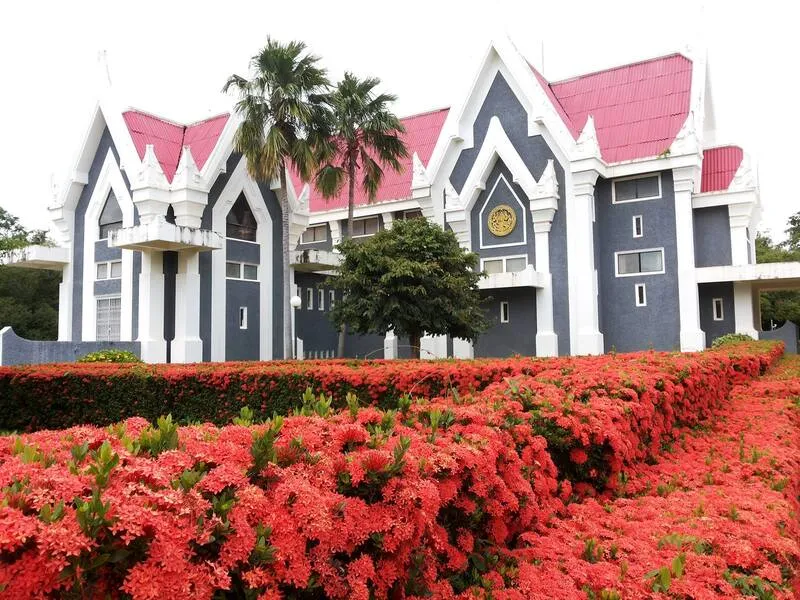
Sawanvoranayok National Museum, also known locally as the Chao Khun Sawanvoranayok Building, is an important historical and archaeological museum in Sawankhalok District, Sukhothai Province. Located on Pracharat Road in Mueang Sawankhalok Subdistrict, near Wat Sawankharam or Wat Klang, the museum is a valuable stop for travelers who want to understand Sukhothai beyond the main historical park. It presents the story of Sawankhalok, Sangkhalok ceramics, Buddhist sculpture, and the role of Phra Sawanvoranayok in preserving cultural objects for the nation.
For foreign travelers, this museum is especially useful because it connects several important themes of Sukhothai history in one place. Visitors can learn about the old town of Sawankhalok, the famous Sangkhalok ceramic tradition, Buddha images from different artistic periods, and artifacts linked to ancient Sukhothai and Si Satchanalai. The museum is compact enough to visit comfortably, but its collection offers a meaningful introduction to the region’s craftsmanship, religion, trade, and local history.
The museum is situated behind Wat Sawankharam, a temple that local people often call Wat Klang. This location is culturally significant because it places the museum within a living townscape where temple, community, local history, and museum heritage remain closely connected. Travelers coming from Sukhothai town can reach Sawankhalok by road, a distance of about 38 to 40 kilometers, and then continue into the town area near Pracharat Road. The museum can easily be included in a half-day or full-day cultural route around Sawankhalok.
Sawanvoranayok National Museum organizes its exhibitions into 4 main themes: Sawankhalok town, Sangkhalok ceramics, Buddha images, and Phra Sawanvoranayok. This structure makes the museum easy to understand. Visitors first gain an overview of the historical development of Sawankhalok, then move into the region’s ceramic heritage, Buddhist art, and the story of a key religious figure who contributed to the preservation of cultural objects.
The section on Sawankhalok town helps visitors understand that Sawankhalok is not simply a modern district of Sukhothai Province. It is a historically important area connected to the wider network of ancient Sukhothai and Si Satchanalai. The town developed within a landscape shaped by religion, trade, ceramic production, waterways, community life, and cultural exchange. After visiting this section, travelers will see the surrounding town with greater appreciation, especially its temples, old market areas, railway station, and local neighborhoods.
The Sangkhalok ceramics section is one of the museum’s major highlights. Sangkhalok ware is among the most famous cultural products associated with Sukhothai and Si Satchanalai. Many of the ceramics displayed in the museum are linked to important archaeological sites such as Ban Ko Noi and Ban Pa Yang in Si Satchanalai District, where ancient kiln sites were found. These ceramics include everyday vessels, refined artistic pieces, and objects that show the technical knowledge of ancient potters.
Sangkhalok ceramics are not only beautiful objects. They are evidence of technology, economy, artistic taste, and trade. Their forms, glazes, motifs, firing marks, and surfaces reveal how ancient craftspeople understood clay, water, fire, kiln control, and user demand. Some pieces are simple and elegant, while others show decorative patterns and refined craftsmanship. By observing them closely, visitors can read history through ceramic shapes and surfaces.
The museum also displays ceramics from underwater finds, including wares recovered from shipwreck sites in the Gulf of Thailand. These objects help expand the story of Sangkhalok ware beyond local production. They show that ceramics from this region could travel through wider trade networks and maritime routes. This makes the museum valuable for understanding Sukhothai not only as an inland historical kingdom, but also as part of broader regional exchange.
The Buddha image section allows visitors to see the development of Buddhist art across several periods. Many pieces were donated by Phra Sawanvoranayok, while others were moved from Ramkhamhaeng National Museum or came from archaeological work in old Sukhothai and Si Satchanalai. The variety of Buddha images helps visitors compare artistic styles from before the Sukhothai period through the Sukhothai, Ayutthaya, and early Rattanakosin periods.
Seeing Buddha images from different periods in one museum helps travelers understand how Thai Buddhist art changed over time. Facial expression, body proportion, posture, robe style, material, and iconographic form all reflect different artistic preferences and religious contexts. Sukhothai-style Buddha images are especially admired for their serenity, balance, and spiritual elegance. When displayed alongside works from other periods, their distinctive qualities become easier to recognize.
The section on Phra Sawanvoranayok explains the importance of a person who played a key role in preserving artifacts and donating them as national heritage. This part of the museum shows that cultural preservation does not happen by itself. It depends on individuals, temples, local communities, and institutions that recognize the value of historical objects. Through this section, visitors can understand why the museum carries the name Sawanvoranayok and why his contribution remains important.
The name of the museum therefore carries a deep meaning. It is not only a label for an exhibition building, but also a reminder of the people who helped protect cultural objects for public learning. Many artifacts that might otherwise have been scattered or forgotten are now preserved in a museum setting where they can be studied, appreciated, and passed on to future generations.
The museum building has a calm atmosphere and is suitable for unhurried learning. Visitors can walk through the displays comfortably, read the explanations, and observe the objects closely. It is not an overwhelming museum, but it contains enough depth to reward careful viewing. This makes it suitable for students, families, cultural travelers, ceramic enthusiasts, Buddhist art lovers, and anyone interested in Sukhothai history.
For students and families, Sawanvoranayok National Museum is an excellent learning stop. It allows young visitors to see real historical objects rather than learning only from books. Ceramics, Buddha images, and archaeological objects help make history more concrete and memorable. The museum turns historical periods, artistic styles, and archaeological sites into visible and understandable evidence.
For cultural travelers, the museum is a good starting point before exploring Sawankhalok town. After understanding the museum’s themes, places such as Wat Sawankharam, the local riverside market area, Sawankhalok Railway Station, Sawankhalok street art, and the city pillar shrine become more meaningful. They are no longer just separate stops; together they form part of the town’s layered historical and cultural landscape.
A recommended route is to visit the museum in the morning, then continue to Wat Sawankharam, the local market area, Sawankhalok Railway Station, and the street art zone. This route suits travelers who enjoy smaller towns with a strong local atmosphere. It combines history, community life, religious heritage, transportation heritage, and contemporary public art in one compact area.
Travelers with a special interest in Sangkhalok ceramics should continue from Sawankhalok to Si Satchanalai. The ancient kiln areas and historical sites of Si Satchanalai provide an important context for the ceramics displayed in the museum. Seeing the museum collection first and then visiting the related landscape helps travelers understand the ceramic tradition more completely.
One of the strengths of Sawanvoranayok National Museum is that it presents archaeology in an accessible way. Visitors do not need specialist knowledge to enjoy the collection. The displays focus on visible objects such as ceramic vessels, Buddha images, motifs, materials, and historical stories. This makes the museum approachable for general visitors while still valuable for those who want to study the region more seriously.
The Sangkhalok ceramics displayed here also show the international dimension of ancient Sukhothai. Although Sukhothai is often remembered as an inland kingdom, its products were connected to wider trading systems. Ceramics recovered from shipwreck contexts help show that the region’s craftsmanship had value beyond local markets. This gives visitors a broader understanding of Sukhothai’s economic and cultural role.
The Buddha images in the museum reflect the spiritual dimension of the region. Buddhist art in Sukhothai is often associated with calm beauty, gentle expression, and balanced form. Observing these images alongside pieces from other periods helps visitors see how religious art developed through time and how faith, patronage, and artistic ideals shaped the visual culture of Thailand.
The museum is also a good choice for travelers who prefer quieter cultural attractions. Its atmosphere is peaceful, allowing time for slow observation and reflection. Visitors who enjoy compact museums with meaningful collections will find this place rewarding. The knowledge gained here can be connected directly to trips around Sukhothai, Sawankhalok, and Si Satchanalai.
In terms of conservation, Sawanvoranayok National Museum plays an important role in protecting the cultural heritage of the area. Museum preservation helps prevent artifacts from being lost, dispersed, or misunderstood. Objects that once belonged to temples, communities, or archaeological contexts are preserved and interpreted so that they can continue to educate the public.
Visitors should allow at least 1 hour for the museum. Those who wish to read the explanations carefully or study the ceramics and Buddha images in detail should allow more time. Group visitors and schools can contact the museum in advance to ask about guided visits. A guided explanation can make the experience more meaningful, especially for those interested in Sangkhalok ceramics and Buddhist sculpture.
Before traveling, visitors should note that the museum is open from Wednesday to Sunday and closed on Monday and Tuesday. Opening hours are 09.00 to 16.00. Travelers coming from other districts should plan to arrive before the afternoon in order to have enough time for the museum and nearby attractions. The admission fee is modest, making it accessible for students, families, and general travelers.
Getting There is convenient by private car, local hired vehicle, or public transport to Sawankhalok town. From Sukhothai town, follow the route toward Sawankhalok, about 38 to 40 kilometers away. Once in Sawankhalok, head to Pracharat Road near Wat Sawankharam. The museum is located in the town area, close to markets, the railway station, and other local attractions.
Travelers without a private car can take transport to Sawankhalok and then use a local vehicle to reach the museum. Since the museum is located within the town, short local travel is manageable, but visitors should confirm return transport in advance, especially if they plan to continue to Si Satchanalai or return to Sukhothai town on the same day.
Nearby places worth combining with the museum include Wat Sawankharam, Tha Nam Rap Sadet Market, Sawankhalok Railway Station, Sawankhalok Street Art, and the city pillar shrine. This combination gives visitors a fuller picture of Sawankhalok, from ancient heritage and local devotion to community life and modern creativity.
In summary, Sawanvoranayok National Museum is a valuable cultural stop for anyone who wants to understand Sukhothai and Sawankhalok more deeply. Its exhibitions on Sawankhalok town, Sangkhalok ceramics, Buddha images, and Phra Sawanvoranayok show the relationship between community, temple, craftsmanship, religion, trade, and heritage preservation. For travelers planning a trip to Sawankhalok or Si Satchanalai, this museum adds important historical meaning to the journey.
| Name | Sawanvoranayok National Museum |
| Location | Pracharat Road, Mueang Sawankhalok Subdistrict, Sawankhalok District, Sukhothai Province |
| Address | 69 Pracharat Road Sai 4, Mueang Sawankhalok Subdistrict, Sawankhalok District, Sukhothai 64110, Thailand |
| Highlights | A national museum displaying Sawankhalok history, Sangkhalok ceramics, Buddha images, and the story of Phra Sawanvoranayok |
| History | Founded in 1971 as a historical and archaeological museum focusing on Sukhothai art, Sawankhalok town, and Sangkhalok ceramics |
| Name Origin | Named after Phra Sawanvoranayok, who played an important role in preserving and donating artifacts as national heritage |
| Distinctive Features | Exhibitions are organized into 4 main themes: Sawankhalok town, Sangkhalok ceramics, Buddha images, and Phra Sawanvoranayok |
| Key Evidence | Sangkhalok ceramics, Buddha images from different artistic periods, artifacts from old Sukhothai and Si Satchanalai, and ceramics from underwater finds |
| Travel Information | From Sukhothai town, travel about 38 – 40 km to Sawankhalok and continue to Pracharat Road near Wat Sawankharam |
| Current Status | Open to visitors |
| Open Days | Wednesday – Sunday |
| Opening Hours | 09.00 – 16.00 |
| Fees | Thai visitors 10 THB / foreign visitors 80 THB / students in uniform, monks, novices, and religious clergy enter free of charge |
| Main Areas / Zones | Sawankhalok town, Sangkhalok ceramics, Buddha images, Phra Sawanvoranayok |
| Caretaker | Fine Arts Department, Ministry of Culture / National Museum |
| Main Contact Number | 055-641571 |
| Official Website / Official Page | Sawanvoranayok National Museum, Sukhothai / Fine Arts Department |
| Nearby Tourist Attractions | 1. Wat Sawankharam (Wat Klang), about 1 km 2. Tha Nam Rap Sadet Market, about 1 km 3. Sawankhalok Street Art, about 1 km 4. Sawankhalok Railway Station, about 1 km 5. Sawankhalok City Pillar Shrine, about 2 km 6. Nong Riang Temporary Prison Agricultural Tourism Center, about 5 km |
| Nearby Restaurants | 1. Je Pai Tom Lueat Mu Sawankhalok, about 1 km 2. Kuai Tiao Ruea Wiang Sawan, about 2 km 3. Aoob aoon bakery and coffee, about 2 km 4. Rabiang Coffee, about 2 km 5. Kanya Cafe, about 3 km 6. Baan Mayura, about 3 km |
| Nearby Accommodations | 1. Swankaburi Boutique Hotel, about 1 km, Tel. 087-3126767, 055-644197 2. 3sis Resort Sawankhalok-Sukhothai, about 1 km, Tel. 082-5956699 3. Ban SP Resort Sawankhalok, about 3 km, Tel. 087-7379393 4. MuangInn Hotel, about 1 km 5. Two T Resort Sawankhalok, about 5 km 6. Sukhothai Heritage Resort, about 17 km |
Frequently Asked Questions (FAQ)
Q: Where is Sawanvoranayok National Museum located?
A: It is located at 69 Pracharat Road Sai 4, Mueang Sawankhalok Subdistrict, Sawankhalok District, Sukhothai Province, near Wat Sawankharam.
Q: What days is the museum open?
A: The museum is open from Wednesday to Sunday, 09.00 to 16.00, and closed on Monday and Tuesday.
Q: How much is the admission fee?
A: Admission is 10 THB for Thai visitors and 80 THB for foreign visitors. Students in uniform, monks, novices, and religious clergy enter free of charge.
Q: What can visitors see inside the museum?
A: Visitors can see exhibitions on Sawankhalok town, Sangkhalok ceramics, Buddha images, and Phra Sawanvoranayok.
Q: Why are the Sangkhalok ceramics important?
A: They are important evidence of ancient ceramic production, craftsmanship, trade, and cultural exchange in Sukhothai and Si Satchanalai.
Q: Who should visit this museum?
A: It is suitable for students, families, history lovers, cultural travelers, and anyone interested in Sangkhalok ceramics, Buddhist art, and Sukhothai heritage.
Q: How long should visitors spend at the museum?
A: Visitors should allow at least 1 hour, or longer if they want to read details and study the objects carefully.
Q: What nearby attractions can be visited after the museum?
A: Nearby attractions include Wat Sawankharam, Tha Nam Rap Sadet Market, Sawankhalok Street Art, Sawankhalok Railway Station, and the Sawankhalok City Pillar Shrine.
Tel : 055641571
 Tel : 055641571
 Category: ●Art, Culture and Heritage
 Group: ●Museums
Last Update : 5 MonthAgo
 Last Update : 5 MonthAgo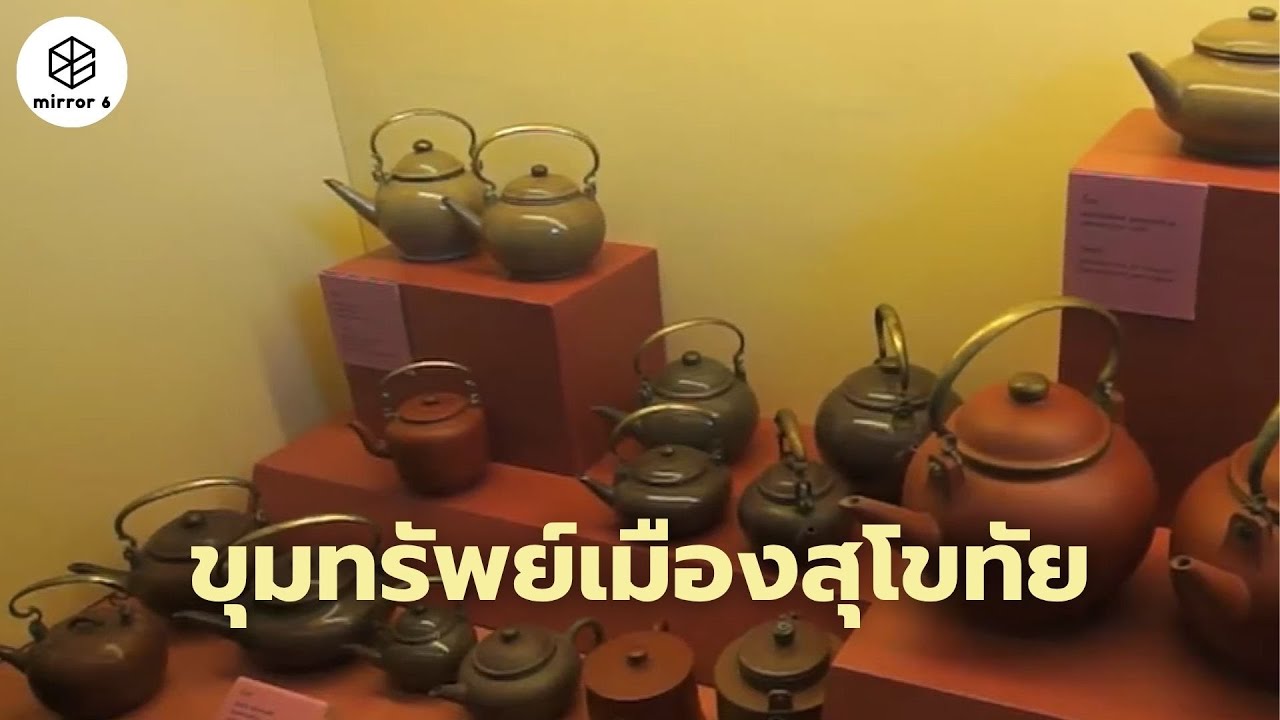
 Click to Access the Navigation Map GPS
Sawankhaworanayok National Museum Map
Recommend

 Historical Sites and Monuments(4)
 Landmarks and Memorials(5)
 Art, Craft Centres, Tradition(11)
Museums(5)
Art, Craft Centres, Tradition(11)
Museums(5)
 Places of Worship
 Temple(40)
 Other Sacred Sites(10)
 Suburban Living
 Village, Community(3)
 Nature and Wildlife
 National Parks and Marine Reserves(3)
 Mountain (Doi)(2)
 Dam, Reservoir, Lake(4)
 Waterfalls(8)
 Caves(4)
 River, Canal(2)
 Entertainment and Agricultural
 Farms, Parks and Ecotourism(3)
 Travel Articles, Recipes
 Travel Review, Food Review(1)


