
lovethailand home >North Travel Attractions >Sukhothai Travel Attractions >Sawan Khalok >Muang Sawan Khalok > Chao Khun Sawan Woranayok Building
TL;DR: Chao Khun Sawan Woranayok Building is located at Within Wat Sawankharam And Sawankhaworanayok National Museum, Sawankhalok District, Sukhothai Province, open Wednesday - Sunday, hours 09.00 - 16.00.
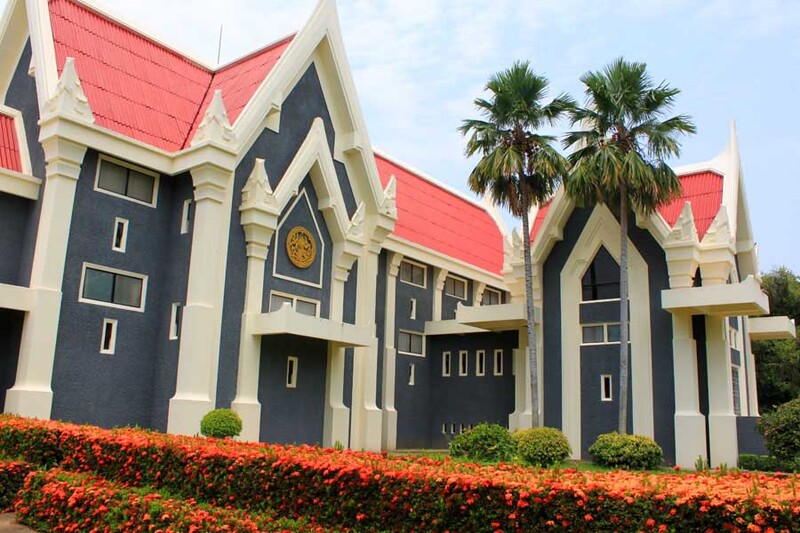
Chao Khun Sawan Woranayok Building
Open Days: Wednesday - Sunday
Opening Hours: 09.00 - 16.00
Chao Khun Sawan Woranayok Building is located within the grounds of Wat Sawankharam, also known locally as Wat Klang, in Sawankhalok District, Sukhothai Province. It is one of the most historically and architecturally significant buildings in the old town of Sawankhalok. More than an old monastic residence, this building preserves the memory of a period when Sawankhalok played an important role in religion, education, local administration, transportation, and cultural heritage along the Yom River basin.
For travelers visiting Sawankhalok, the Chao Khun Sawan Woranayok Building is an essential cultural stop. The building is closely connected with Phra Sawan Woranayok, a highly respected monk who collected Buddhist images, Sangkhalok ceramics, architectural fragments, and other antiquities from the Sukhothai and Si Satchanalai cultural landscape. His collection later became an important foundation for the establishment of Sawankhaworanayok National Museum, making this building a meaningful starting point for understanding local heritage preservation in Sawankhalok.
The building is important on several levels. Architecturally, it is a rare three-storey Western-influenced structure within a temple compound in Sawankhalok. Historically, it is associated with one of the most influential religious figures of the town and with the development of local museum culture. Culturally, it represents the early awareness that ancient objects should be preserved, studied, and shared with the public rather than being left neglected or separated from their historical context.
In earlier times, Sawankhalok had several important old buildings that reflected the prosperity of the town. Some have since been demolished, while others survive only in old photographs. The Chao Khun Sawan Woranayok Building therefore carries special importance because it remains visible and memorable. It allows modern visitors to see a physical trace of Sawankhalok’s former status and to understand how the town was once connected with religion, education, engineering, royal travel, and cultural collecting.
The building originally served as the residence of Chao Khun Sawan Woranayok, a senior monk who held an important ecclesiastical position in Sawankhalok. He contributed greatly to the local community through religious leadership, education, cultural work, and the preservation of antiquities. At a time when public understanding of archaeological and artistic value was not as widespread as it is today, he recognized that old Buddhist images, ceramics, and architectural remains were not ordinary objects. They were historical evidence that could help later generations understand the civilization of Sukhothai, Si Satchanalai, and Sawankhalok.
As villagers donated or brought ancient objects to him, Chao Khun Sawan Woranayok collected and displayed them inside this building. In that sense, the building functioned like an early private museum or local learning center. Visitors could see Buddhist images, Sangkhalok ceramics, and other historical materials gathered in one place. This helped create awareness among local people that their town held valuable cultural heritage and that such objects should be protected for education and public benefit.
Later in life, Chao Khun Sawan Woranayok expressed his wish to donate the collected antiquities as national heritage. He wanted them to be preserved properly and made accessible for public study. He also supported the idea of establishing a museum behind the temple area and donated additional land for this purpose. Although the museum was established after his passing, its foundation clearly grew from his vision. This makes the building not only a former residence but also a symbol of personal dedication to national heritage preservation.
Sawankhaworanayok National Museum, located in the same area, continues the spirit of that vision. Its exhibitions introduce visitors to the history of Sawankhalok, the importance of Sangkhalok ceramics, Buddhist sculpture, and the life and work of Phra Sawan Woranayok. Travelers who visit the Chao Khun Sawan Woranayok Building should also explore the museum because the two sites complete each other. The old building tells the story of the origin, while the museum presents the cultural and archaeological context in a more systematic way.
Architecturally, the Chao Khun Sawan Woranayok Building is a three-storey structure influenced by Western design. Its solid form, balanced proportions, masonry construction, and orderly lines distinguish it from traditional wooden monastic residences or conventional Thai temple buildings. It shows how Western architectural ideas were adapted into a Thai religious setting during a period of social and urban change. The building also reflects the economic and cultural confidence of Sawankhalok at the time it was built.
The building is associated with Hok Liang Sunanan, an engineer and designer who worked with the local road office in Sawankhalok and had studied technical construction in Germany. His engineering knowledge can be seen in the building’s strong structural character and careful design. The involvement of a technically trained designer demonstrates that the building was not treated as an ordinary residence but as an important project intended to be durable, refined, and impressive.
The construction also involved a skilled Chinese craftsman known locally as Jin Sae, who had a reputation for major construction work in the region, including work connected with Nong Chang Bridge in Si Satchanalai. The collaboration among Chao Khun Sawan Woranayok, Hok Liang Sunanan, and Chinese craftsmen resulted in a building that blends Western architectural influence, Chinese craftsmanship, and a Thai Buddhist temple context. This cultural combination gives the building a unique identity within Sawankhalok.
Another important historical layer is the building’s connection with the royal visit of King Vajiravudh, Rama VI, during his journey to Si Satchanalai in 1921. The building was associated with preparations for receiving the king, giving it additional significance as a place where local history meets national history. It was not merely a residence for a senior monk but a building connected with one of the important historical moments remembered in the area.
The building’s religious significance comes from its location inside Wat Sawankharam and its association with Phra Sawan Woranayok. Wat Sawankharam, also called Wat Klang, is an important riverside temple in Sawankhalok and has long been part of the town’s spiritual and community life. Seeing a Western-style building inside the temple compound helps visitors understand how religion, education, preservation, and modern development could coexist in one local setting.
Today, the Chao Khun Sawan Woranayok Building remains an important historical element of the museum and temple area. Although many years have passed, the building’s distinctive form and the stories attached to it continue to communicate strongly with visitors. For those interested in local history, it is a powerful reminder that Sawankhalok was once more than a quiet district town. It was a place of cultural activity, learning, and connection between local communities and wider historical movements.
Inside the wider museum area, visitors can explore artifacts related to Sawankhalok and Si Satchanalai, especially Sangkhalok ceramics. These ceramics are among the most important cultural products of the Sukhothai period and the Yom River region. They reveal technical skill, kiln production, trade networks, aesthetic taste, and daily life in the past. Viewing them near the building that once housed Chao Khun Sawan Woranayok’s collection makes the experience more meaningful because visitors can sense the continuity between early collecting and modern museum practice.
The Buddhist images displayed in the museum also help visitors understand the artistic development of Sukhothai and nearby regions. Facial expressions, body proportions, gestures, and stylistic details show the faith and craftsmanship of earlier periods. For foreign travelers, this is a valuable opportunity to see how Thai Buddhist art developed in relation to local history rather than only in famous historical parks.
The building also represents a local model of heritage preservation. Before museum systems became fully institutionalized, Chao Khun Sawan Woranayok had already begun collecting, protecting, and presenting old objects for public awareness. His work showed that cultural heritage could be preserved through personal responsibility, religious leadership, and community trust. The building therefore stands as a symbol of preservation initiated from within the local community itself.
As a travel destination, the Chao Khun Sawan Woranayok Building is suitable for many types of visitors. Architecture lovers can appreciate its Western-influenced structure. History enthusiasts can follow the story of Sawankhalok’s past. Those interested in ceramics can connect the building with the story of Sangkhalok ware. Cultural travelers can see how a local monk played a decisive role in protecting national heritage. The site offers a quieter but deeper experience than many mainstream tourist attractions.
A visit to the building should ideally take at least 30 minutes, while those who also explore Sawankhaworanayok National Museum should allow 1 to 2 hours. This gives enough time to observe the architecture, read the exhibition information, view the artifacts, and understand the relationship between the building, the museum, Wat Sawankharam, and the town. A slower visit is recommended because the value of the place lies in details rather than spectacle.
The best time to visit is in the morning after the museum opens or in the early afternoon when there is still enough time to see the exhibitions. Visitors should check the opening schedule in advance because the museum opens from Wednesday to Sunday and closes on Monday, Tuesday, and official government holidays. With good planning, the visit can be combined with other nearby sites such as Wat Sawankharam, Sawan Woranayok Memorial Bridge, Sawankhalok Railway Station, the old town street art area, and the local evening market.
Getting There is convenient from the center of Sawankhalok. Travelers can head to Wat Sawankharam and Sawankhaworanayok National Museum on Pracharat Road. Those traveling by private car can drive from Sukhothai city to Sawankhalok District and enter the old town area near the temple. Travelers arriving by train can get off at Sawankhalok Railway Station and continue by local transport or taxi to the museum area. The town is compact enough to combine several nearby cultural sites in a single day.
Because the building is located within a temple and museum area, visitors should dress respectfully, speak softly, and avoid touching old objects or architectural elements unnecessarily. This is not only a tourist stop but also a place of religious memory, local pride, and cultural preservation. Respectful behavior helps maintain the atmosphere of the site and honors the legacy of the people who worked to preserve it.
A complete travel route can begin at Sawankhaworanayok National Museum and the Chao Khun Sawan Woranayok Building, then continue to Wat Sawankharam, Sawan Woranayok Memorial Bridge, Sawankhalok Railway Station, street art spots, and the evening market. This route gives visitors a well-rounded picture of Sawankhalok: religion, architecture, archaeology, ceramics, railway history, local food, and riverside life all appear within a relatively small area.
For foreign travelers, the Chao Khun Sawan Woranayok Building offers an important perspective on Sukhothai beyond the major historical parks. It shows how cultural heritage survives not only through ancient ruins but also through the work of individuals, monks, communities, and institutions. The building tells a story of preservation, adaptation, and local pride. It helps visitors understand that Thai heritage is not frozen in the past but continuously protected and interpreted by people who care about it.
The Chao Khun Sawan Woranayok Building is therefore meaningful both physically and symbolically. Physically, it is a rare three-storey Western-style building in Sawankhalok. Symbolically, it represents the dedication of a monk who valued knowledge, history, and public benefit. It contains the memory of a town, a temple, a museum, and a heritage movement in one architectural form.
After visiting the building, travelers may see Sawankhalok differently. This quiet riverside town is not only a gateway to Sukhothai’s past but also a place with its own layered history. Temples, old buildings, ceramics, Buddhist images, the railway, and the Yom River all contribute to its identity. The Chao Khun Sawan Woranayok Building remains one of the clearest voices of that identity, preserving the story of a community that chose to protect its cultural memory for future generations.
| Name | Chao Khun Sawan Woranayok Building |
| Location | Within Wat Sawankharam And Sawankhaworanayok National Museum, Sawankhalok District, Sukhothai Province |
| Address | 69 Pracharat Road, Mueang Sawankhalok Subdistrict, Sawankhalok District, Sukhothai Province 64100 |
| Highlights | A Three-Storey Western-Influenced Historic Building Connected With Phra Sawan Woranayok, Antiquity Collection, Sangkhalok Ceramics, And The Origins Of Local Museum Culture In Sawankhalok |
| History | Built In The Early 20th Century As The Residence Of Chao Khun Sawan Woranayok And Used As An Early Space For Collecting And Displaying Antiquities Before The Development Of Sawankhaworanayok National Museum |
| Name Origin | Named After Chao Khun Sawan Woranayok, A Respected Monk Of Sawankhalok Who Played An Important Role In Religion, Education, And Heritage Preservation |
| Distinctive Features | Three-Storey Western-Style Building With Strong Proportions, Orderly Lines, And A Blend Of Western Design, Chinese Craftsmanship, And Thai Temple Context |
| Related Figures | Chao Khun Sawan Woranayok, Hok Liang Sunanan, And Jin Sae The Chinese Craftsman |
| Key Exhibitions In The Museum Area | History Of Sawankhalok, Sangkhalok Ceramics, Buddhist Images, The Life Of Phra Sawan Woranayok, And Antiquities Related To Sukhothai And Si Satchanalai |
| Travel Information | Travel From Central Sawankhalok To Wat Sawankharam And Sawankhaworanayok National Museum On Pracharat Road, Or Arrive By Train At Sawankhalok Railway Station And Continue By Local Transport |
| Current Status | Historic Building And Learning Area Within Sawankhaworanayok National Museum |
| Open Days | Wednesday - Sunday |
| Opening Hours | 09.00 - 16.00 |
| Facilities | Museum Area, Exhibition Rooms, Temple Grounds, And Nearby Cultural Route In Sawankhalok Town |
| Main Areas / Zones | Chao Khun Sawan Woranayok Building, Wat Sawankharam Area, Museum Building, And Antiquity Exhibition Area |
| Caretaker | Sawankhaworanayok National Museum, Fine Arts Department, And Wat Sawankharam |
| Abbot Of Wat Sawankharam | Phra Maha Duang-amnat Sirimangkhalo |
| Main Contact Number | Sawankhaworanayok National Museum, Tel. 0 5564 1571 |
| Official Website / Official Page | www.finearts.go.th/sawakhavoranayokmuseum And Facebook: Sawankhaworanayok National Museum |
| Nearby Tourist Attractions | 1. Wat Sawankharam, About 0 km 2. Sawan Woranayok Memorial Bridge, About 1 km 3. Sawankhalok Railway Station, About 1 km 4. Sawankhalok City Pillar Shrine, About 2 km 5. Sawankhalok Old Town Street Art Area, About 2 km 6. Sawankhalok Evening Market, About 2 km 7. Thung Mae Rawing, About 8 km |
| Nearby Restaurants | 1. Ko Heng Pork Tongue Stew, About 1 km, Tel. 055-641-616 2. Jay Niao Thai Noodle Sawankhalok, About 2 km 3. Meng Old-Style Egg Noodle, About 2 km 4. Puu-Yaa House, About 2 km 5. Kuk Mian Restaurant, About 2 km 6. Sib Song Nuai Tat Restaurant, About 3 km, Tel. 080-029-7752 |
| Nearby Accommodations | 1. Baan Chomjun Sawankhalok, About 2 km, Tel. 055-643-334 2. Swankaburi Boutique Hotel, About 2 km, Tel. 087-312-6767, 055-644-197 3. RueangSriSiRi Guest House, About 2 km, Tel. 094-969-7389, 087-314-6113 4. Wattanakham Serviced Apartment, About 4 km, Tel. 088-546-4898, 089-129-6165 5. Sawankhalok 2T Resort, About 4 km 6. Sukhothai Heritage Resort, About 14 km 7. Sabai Sabai Sukhothai, About 14 km |
Frequently Asked Questions (FAQ)
Q: Where Is The Chao Khun Sawan Woranayok Building Located?
A: It Is Located Within Wat Sawankharam And Sawankhaworanayok National Museum On Pracharat Road In Sawankhalok District, Sukhothai Province.
Q: Why Is The Chao Khun Sawan Woranayok Building Important?
A: It Was The Former Residence Of Chao Khun Sawan Woranayok, A Key Figure In Local Heritage Preservation, And It Is Closely Connected With The Early Collection Of Antiquities That Led To Sawankhaworanayok National Museum.
Q: How Is The Building Connected With Sawankhaworanayok National Museum?
A: The Building Once Served As A Place Where Chao Khun Sawan Woranayok Collected And Displayed Antiquities Before They Were Preserved And Presented More Systematically In The National Museum.
Q: When Can Visitors See The Chao Khun Sawan Woranayok Building?
A: The Museum Area Opens From Wednesday To Sunday, 09.00 - 16.00, And Closes On Monday, Tuesday, And Official Government Holidays.
Q: Who Designed The Chao Khun Sawan Woranayok Building?
A: The Building Is Associated With The Design Work Of Hok Liang Sunanan, A Local Road Office Engineer Who Had Technical Training From Germany.
Q: What Can Visitors See In The Museum Area?
A: Visitors Can See Exhibitions On Sawankhalok History, Sangkhalok Ceramics, Buddhist Images, The Life Of Phra Sawan Woranayok, And Antiquities Related To Sukhothai And Si Satchanalai.
Q: What Nearby Places Can Be Visited With This Building?
A: Nearby Places Include Wat Sawankharam, Sawan Woranayok Memorial Bridge, Sawankhalok Railway Station, The City Pillar Shrine, The Old Town Street Art Area, And Sawankhalok Evening Market.
Q: Who Should Visit The Chao Khun Sawan Woranayok Building?
A: It Is Ideal For Travelers Interested In Local History, Old Buildings, Western-Influenced Architecture In Thailand, Sangkhalok Ceramics, Sukhothai Art, And Deep Cultural Travel In Sawankhalok.
 Category: ●Art, Culture and Heritage
 Group: ●Landmarks and Memorials
Last Update : 4 MonthAgo
 Last Update : 4 MonthAgo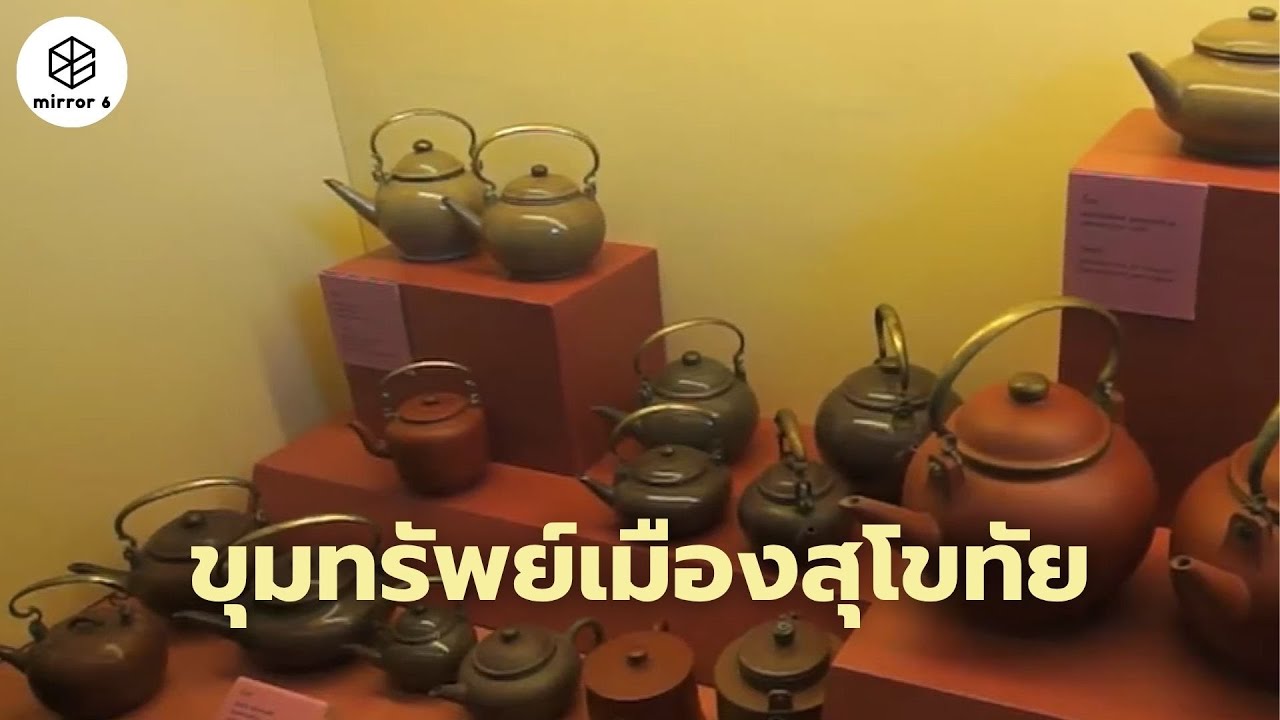
 Click to Access the Navigation Map GPS
Chao Khun Sawan Woranayok Building Map
Recommend

 Historical Sites and Monuments(4)
Landmarks and Memorials(5)
Historical Sites and Monuments(4)
Landmarks and Memorials(5)
 Art, Craft Centres, Tradition(11)
 Museums(5)
 Places of Worship
 Temple(40)
 Other Sacred Sites(10)
 Suburban Living
 Village, Community(3)
 Nature and Wildlife
 National Parks and Marine Reserves(3)
 Mountain (Doi)(2)
 Dam, Reservoir, Lake(4)
 Waterfalls(8)
 Caves(4)
 River, Canal(2)
 Entertainment and Agricultural
 Farms, Parks and Ecotourism(3)


