
lovethailand home >North Travel Attractions >Sukhothai Travel Attractions >Si Nakhon >Nakhon Doet > Wat Patchantakharam Wasi (Nong Haen)
TL;DR: Wat Patchantakharam Wasi (Nong Haen) is located at Moo 8, Nakhon Doet Subdistrict, Si Nakhon District, Sukhothai Province, Thailand, open Daily, hours Morning – Evening For General Worship Visits.
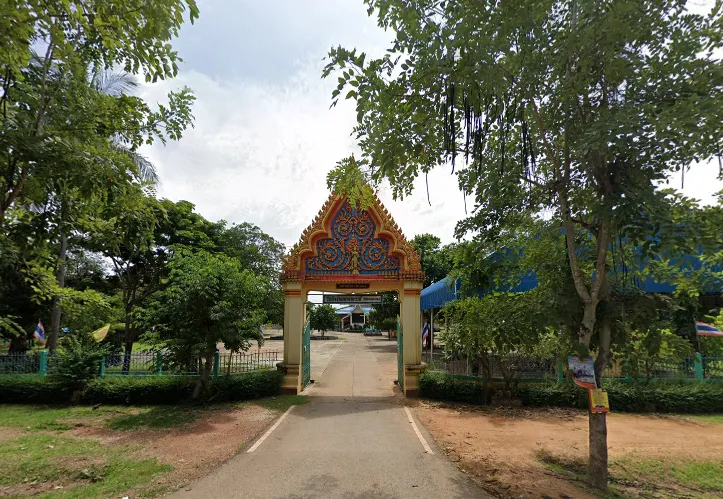
Wat Patchantakharam Wasi (Nong Haen)
Open Days: Daily
Opening Hours: Morning – Evening For General Worship Visits
Wat Patchantakharam Wasi, commonly known among local people as Wat Nong Haen, is located in Moo 8, Nakhon Doet Subdistrict, Si Nakhon District, Sukhothai Province. It is a local Buddhist temple under the Mahanikaya monastic order and an important religious center for communities in the surrounding area. The temple is known for its long history, its role as a spiritual gathering place for villagers, and its connection with Luang Pho Si Chan, the principal Buddha image enshrined in the ordination hall. For foreign travelers, Wat Nong Haen offers a quiet and meaningful view of a rural Thai temple shaped by community faith over more than a century.
The temple was founded in 1907 by a local man known as Pu Kham, who had no family surname recorded in local history. His initiative marked the beginning of a community effort to establish a place for Buddhist practice, merit-making, and religious ceremonies. In a rural Thai context, building a temple was a major undertaking. It required land, labor, faith, leadership, and cooperation among villagers. Wat Nong Haen therefore began not as a large institutional project, but as a shared expression of local devotion.
The name Wat Nong Haen remains deeply meaningful to local people. Although the official name is Wat Patchantakharam Wasi, villagers continue to use the familiar name connected with the local community. This dual identity reflects the way Thai temples often have both formal religious names and local names used in daily life. The local name preserves memory, belonging, and emotional connection. For the people of Nakhon Doet, Wat Nong Haen is not just a temple in the village; it is part of the village itself.
In 1925, Luang Pho Son came to reside at Wat Nong Haen and worked with the local community to develop the temple. His arrival was an important moment in the temple’s history because a resident monk helped strengthen regular Buddhist activities and gave the community a clearer religious center. Under the cooperation between monks and villagers, the temple gradually developed facilities, religious functions, and a stronger role in community life.
Major support for the temple came from Pho Bun and Mae Tat Chuengwanich, timber merchants from Ban Kaeng, Tron District, Uttaradit Province. They had good relationships with people in the local community, including Pho Nin, Pho Ma, and Pho Mi. These relationships helped create support for the temple’s development. Their contribution shows how temple patronage in Thailand often grew through networks of friendship, trade, kinship, and shared Buddhist faith.
In 1926, Pho Bun and Mae Tat Chuengwanich brought an important Buddha image to Wat Nong Haen. This image is known as Luang Pho Si Chan, and it is now the principal Buddha image in the ordination hall. Luang Pho Si Chan has become the spiritual heart of the temple and is deeply respected by villagers of Nong Haen and nearby communities. Visitors come to pay respect, make merit, and seek peace of mind before this sacred image.
Luang Pho Si Chan is more than a principal Buddha image. It represents the generosity of the temple’s patrons, the faith of the villagers, and the continuity of Buddhist practice at Wat Nong Haen. When worshippers bow before Luang Pho Si Chan, they also connect with the stories of those who helped build and support the temple in its early years. The image therefore carries both religious and historical meaning.
The development of Wat Nong Haen continued through Pho Klin Soisuwan, the adopted son of Pho Bun and Mae Tat. He followed the path of his adoptive parents in supporting the temple and was appointed as a temple lay leader. Pho Klin continued the construction of the ordination hall after Pho Bun and Mae Tat. His role shows how support for the temple was passed from one generation to the next, allowing the temple to grow through continuity of faith and responsibility.
The temple received its royal consecrated boundary in 1955 during the time of Phra Athikan Paen, the abbot at that time. This was an important development because the consecrated boundary allowed the temple to properly conduct important monastic ceremonies. The successful completion of the ordination hall and the granting of the boundary marked the temple’s full development as a functioning Buddhist institution for the community.
Wat Patchantakharam Wasi gradually developed its monastic buildings and facilities. These included the ordination hall, a sermon hall, monks’ residences, and other structures that supported religious and community activities. The ordination hall became the sacred space where Luang Pho Si Chan was enshrined. The sermon hall provided space for villagers to listen to Dharma teachings, make merit, and gather during Buddhist occasions. The monks’ residences supported the daily life of the monastic community.
The temple grounds are surrounded by a rural landscape of fields, canals, and local houses. This setting gives Wat Nong Haen a quiet and authentic atmosphere. Unlike large urban temples or heavily visited tourist temples, this temple remains closely connected with everyday village life. The surrounding landscape helps visitors understand how Thai rural temples function within agricultural communities, where religion, water, farming, and social life are interwoven.
Wat Nong Haen serves several communities in Nakhon Doet Subdistrict, especially villages in Moo 1, 5, 7, and 8. Villagers come to the temple for merit-making, meditation, sermons, Buddhist holy days, and seasonal religious activities. This role has allowed the temple to remain active and meaningful for more than 100 years. It is not only a place for worship, but also a shared cultural center for multiple villages.
During important Buddhist occasions such as Makha Bucha Day, Visakha Bucha Day, Asalha Bucha Day, Buddhist Lent, the end of Buddhist Lent, and Kathin season, the temple becomes a gathering place for local residents. People offer food to monks, listen to sermons, chant, make merit, and help with temple activities. These events help younger generations learn how Buddhist traditions are practiced in their own community.
Wat Nong Haen is also a local learning space. Its history includes the founding by Pu Kham, the residence of Luang Pho Son, the patronage of Pho Bun and Mae Tat, the dedication of Pho Klin, and the enshrinement of Luang Pho Si Chan. These stories teach visitors how temples were built and maintained through local commitment. The temple therefore functions as a living archive of community memory.
Getting There is convenient by private car. From the Si Nakhon District Office, travelers can take the paved Si Nakhon – Plai Rang Road for about 9 km to reach the temple area in Nakhon Doet Subdistrict. Visitors can use “Wat Patchantakharam Wasi” or “Wat Nong Haen Nakhon Doet Si Nakhon Sukhothai” as the navigation destination. Those using public transport should first travel to Si Nakhon town, then continue by local transport or hired vehicle.
Wat Nong Haen can be included in a cultural route around Si Nakhon District and northern Sukhothai. Nearby and connecting places include Wat Rat Sattha Tham Royal Temple, Wat Bot Mani Ram, Sawankhalok Street Art, Sawankhaworanayok National Museum, Wat Sawang Arom Worawihan, and Si Satchanalai Historical Park. This route is suitable for travelers who want to combine a quiet community temple with royal temples, local cafés, museums, and historical parks.
Visitors should dress modestly and behave respectfully because the temple is an active religious place. Shoulders and knees should be covered. Shoes should be removed before entering designated sacred areas. Visitors should avoid loud behavior near the ordination hall and should not disturb monks or villagers during ceremonies. Photography should be done politely, especially around worship areas and Luang Pho Si Chan.
Wat Patchantakharam Wasi is suitable for travelers who want to make merit, pay respect to Luang Pho Si Chan, learn about a rural Sukhothai temple, and experience a peaceful village atmosphere. The temple is not a large commercial tourist attraction, but its value lies in its authenticity, history, and living relationship with the community. It is a meaningful stop for those who appreciate local Buddhist culture.
Culturally, Wat Nong Haen shows how Thai temples are sustained by cooperation between monks and laypeople. The founder, early monks, patrons, temple lay leaders, and villagers all contributed to the temple’s development. This shared responsibility is one of the key reasons the temple has remained active for more than a century. The temple’s story is therefore a story of faith, generosity, and community continuity.
Luang Pho Si Chan remains the spiritual heart of the temple. Local people pay respect to the image for blessings, peace, and inner stability. As the principal Buddha image in the ordination hall, Luang Pho Si Chan connects the temple’s past with its present. The image also reminds visitors of the patrons who helped establish the temple’s religious identity in the early 20th century.
In summary, Wat Patchantakharam Wasi, or Wat Nong Haen, is an important community temple in Nakhon Doet Subdistrict, Si Nakhon District, Sukhothai Province. Founded in 1907, developed through the faith of monks and villagers, and centered on Luang Pho Si Chan, the temple remains a meaningful religious and cultural landmark. For foreign travelers, it offers a calm, sincere, and locally rooted experience of Thai Buddhist life in rural Sukhothai.
| Name | Wat Patchantakharam Wasi, also known as Wat Nong Haen |
| Location | Moo 8, Nakhon Doet Subdistrict, Si Nakhon District, Sukhothai Province, Thailand |
| Address | Nakhon Doet Subdistrict, Si Nakhon District, Sukhothai Province |
| Highlights | Luang Pho Si Chan, the principal Buddha image in the ordination hall, and the temple’s history of community-based Buddhist faith |
| History | Founded in 1907 by Pu Kham. Luang Pho Son resided at the temple in 1925, and Pho Bun and Mae Tat Chuengwanich brought Luang Pho Si Chan to the temple in 1926. |
| Name Origin | Local people commonly call it Wat Nong Haen, while its official name is Wat Patchantakharam Wasi. |
| Distinctive Features | A Mahanikaya community temple surrounded by rice fields, canals, and local villages, serving several communities in Nakhon Doet Subdistrict |
| Sacred Object | Luang Pho Si Chan, the principal Buddha image in the ordination hall and a revered image for villagers of Nong Haen and nearby communities |
| Key Evidence | Ordination hall, sermon hall, monks’ residences, and the historical record of temple patronage by Pho Bun, Mae Tat Chuengwanich, and Pho Klin Soisuwan |
| Travel Information | From Si Nakhon District Office, take the paved Si Nakhon – Plai Rang Road for about 9 km to Nakhon Doet Subdistrict. Search for “Wat Nong Haen Nakhon Doet Si Nakhon Sukhothai” as the navigation destination. |
| Current Status | An active community Buddhist temple used for merit-making, sermons, meditation, and Buddhist ceremonies |
| Open Days | Daily |
| Opening Hours | Morning – Evening For General Worship Visits |
| Main Areas / Zones | Ordination hall, sermon hall, monks’ residences, worship area for Luang Pho Si Chan, and community Buddhist activity spaces |
| Abbot / Caretaker | Phra Khru Patchanta Wihanakit |
| Nearby Tourist Attractions | 1. Wat Rat Sattha Tham Royal Temple, about 9 km 2. Wat Bot Mani Ram, about 13 km 3. Mongkol Garden Cafe and Bistro, about 14 km 4. Sawankhalok Street Art, about 22 km 5. Sawankhaworanayok National Museum, about 24 km 6. Wat Sawang Arom Worawihan, about 25 km 7. Si Satchanalai Historical Park, about 28 km 8. Wat Chang Lom, Si Satchanalai, about 29 km 9. Wat Chedi Chet Thaeo, about 30 km |
| Nearby Restaurants | 1. Pa Nong Ahan Tam Sang, about 8 km 2. Yajai Homemade Cafe, about 10 km 3. Maphlap Coffee, about 11 km 4. Krua Na Long Si Nakhon, about 12 km 5. Anek Ahan Pa, about 13 km 6. Mongkol Garden Cafe and Bistro, about 14 km, Tel. 065-807-5429 7. Jungle Cafe Si Nakhon Sukhothai Branch, about 14 km |
| Nearby Accommodations | 1. D&N Resort Si Nakhon, about 11 km, Tel. 089-703-3549, 080-506-9755, 055-652-673 2. Patcharawadee Resort Si Nakhon Sukhothai, about 12 km, Tel. 099-917-9492, 091-028-4691 3. Thep Chamrat Boutique Hotel, about 22 km 4. Swankaburi Boutique Hotel, about 24 km 5. Wattanakham Serviced Apartment, about 24 km 6. Si Satchanalai Heritage & Resort, about 30 km |
Frequently Asked Questions (FAQ)
Q: Where is Wat Patchantakharam Wasi located?
A: Wat Patchantakharam Wasi, or Wat Nong Haen, is located in Moo 8, Nakhon Doet Subdistrict, Si Nakhon District, Sukhothai Province, Thailand.
Q: What is the local name of Wat Patchantakharam Wasi?
A: Local people commonly call the temple Wat Nong Haen, while its official name is Wat Patchantakharam Wasi.
Q: When was Wat Nong Haen founded?
A: The temple was founded in 1907 by Pu Kham, a local man remembered as the founder of Wat Nong Haen.
Q: Why is Luang Pho Si Chan important?
A: Luang Pho Si Chan is the principal Buddha image in the ordination hall and the main sacred image respected by villagers of Nong Haen and nearby communities.
Q: Who brought Luang Pho Si Chan to the temple?
A: Pho Bun and Mae Tat Chuengwanich brought Luang Pho Si Chan to Wat Nong Haen in 1926.
Q: How can travelers get to Wat Patchantakharam Wasi?
A: From Si Nakhon District Office, take the paved Si Nakhon – Plai Rang Road for about 9 km to Nakhon Doet Subdistrict, or search for “Wat Nong Haen Nakhon Doet Si Nakhon Sukhothai” in navigation apps.
Q: What type of travelers should visit Wat Nong Haen?
A: The temple is suitable for travelers interested in local Buddhist temples, rural Sukhothai culture, merit-making, quiet worship, and community history.
Q: What nearby attractions can be visited with Wat Nong Haen?
A: Nearby and connecting attractions include Wat Rat Sattha Tham Royal Temple, Wat Bot Mani Ram, Sawankhalok Street Art, Sawankhaworanayok National Museum, and Si Satchanalai Historical Park.
 Category: ●Places of Worship
 Group: ●Temple
Last Update : 4 WeekAgo
 Last Update : 4 WeekAgo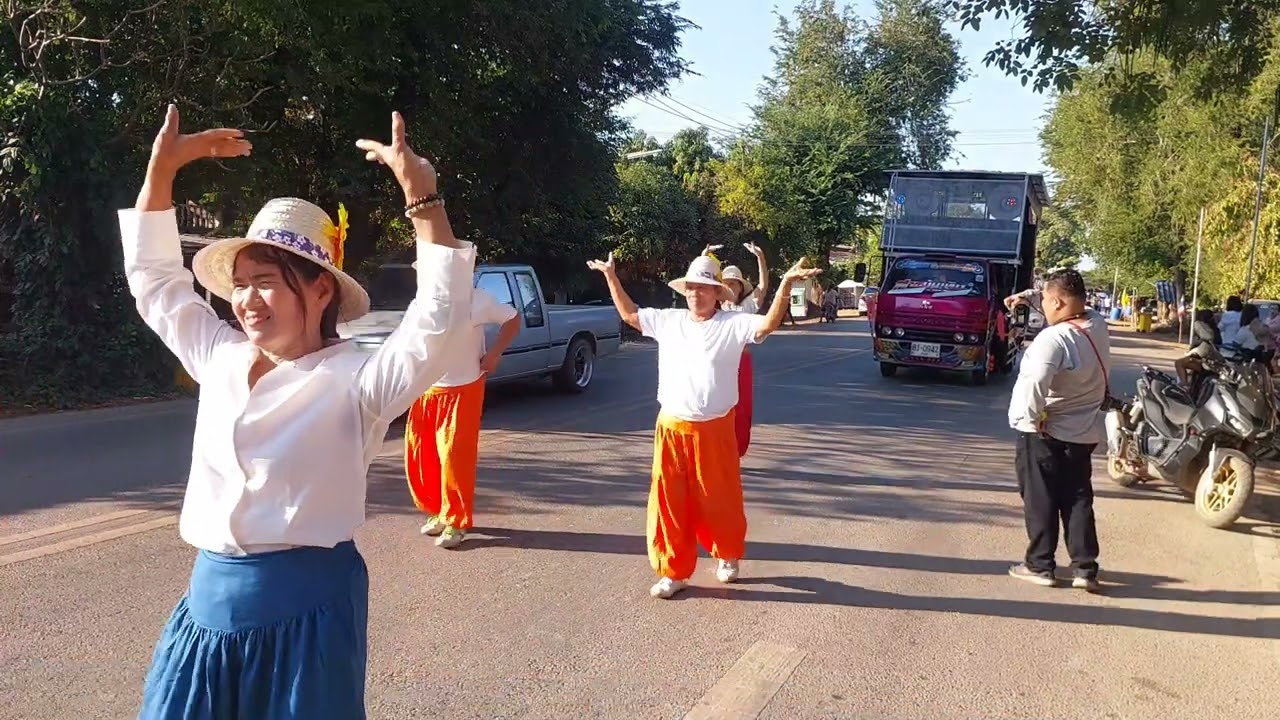
 Click to Access the Navigation Map GPS
Wat Patchantakharam Wasi (Nong Haen) Map
Recommend

 Art, Culture and Heritage
 Historical Sites and Monuments(4)
 Landmarks and Memorials(5)
 Art, Craft Centres, Tradition(11)
 Museums(5)
Temple(40)
Museums(5)
Temple(40)
 Other Sacred Sites(10)
 Suburban Living
 Village, Community(3)
 Nature and Wildlife
 National Parks and Marine Reserves(3)
 Mountain (Doi)(2)
 Dam, Reservoir, Lake(4)
 Waterfalls(8)
 Caves(4)
 River, Canal(2)
 Entertainment and Agricultural
 Farms, Parks and Ecotourism(3)


