
lovethailand home >North Travel Attractions >Sukhothai Travel Attractions >Si Sat Chana Lai >Ban Tuek > The Chao Pho Mueang Dong Monument
TL;DR: The Chao Pho Mueang Dong Monument is located at Moo 3, Ban Plai Na, Ban Tuek Subdistrict, Si Satchanalai District, Sukhothai Province, open Daily, hours 08.00 – 17.00.
The Chao Pho Mueang Dong Monument
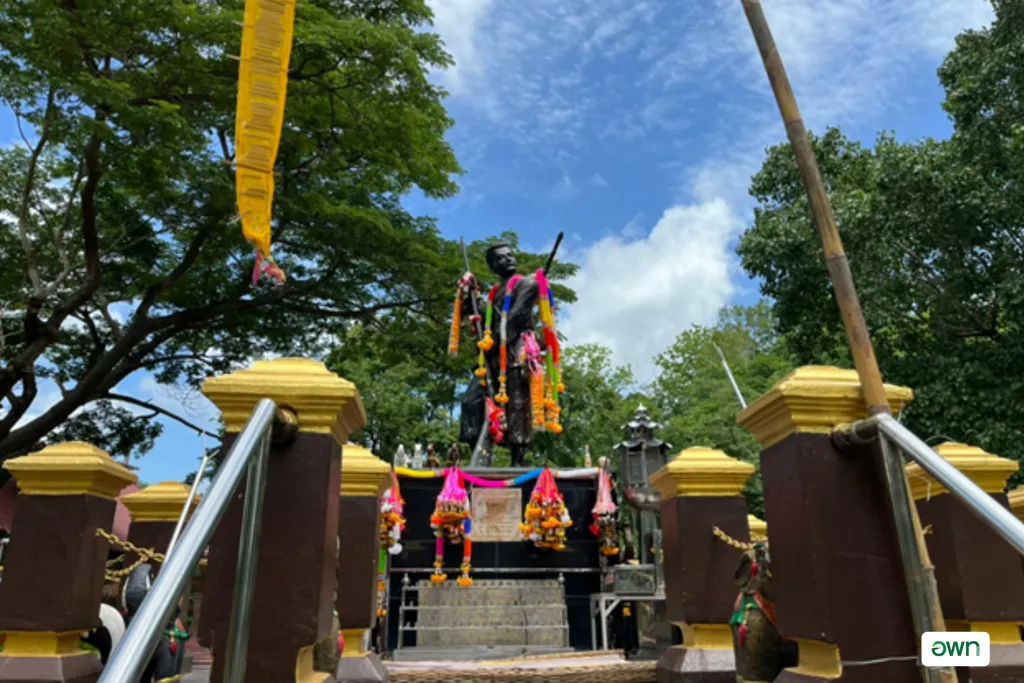
Open Days: Daily
Opening Hours: 08.00 – 17.00
Chao Pho Mueang Dong Monument, also known in many local references as the Chao Muen Dong Monument, is located at Moo 3, Ban Plai Na, Ban Tuek Subdistrict, Si Satchanalai District, Sukhothai Province. It is one of the most meaningful cultural and spiritual landmarks in Si Satchanalai, especially for the people of Ban Tuek and the historic Mueang Dong community. The monument is not only a place for paying respect, but also a living symbol of local memory, ancestral gratitude, and community identity.
The monument is open daily from 08.00 to 17.00, and there is no admission fee. For travelers who want to explore Sukhothai beyond the major historical parks, this site offers a deeper look into local beliefs, oral history, and community-based culture. A visit here can be combined with Ban Na Ton Chan, Wat Plai Na, Wat Thung Phlo, the mud-fermented textile center, and Si Satchanalai Historical Park, creating a well-rounded cultural route through northern Sukhothai.
Chao Pho Mueang Dong is remembered by local people as an important figure connected with the founding and protection of the Mueang Dong community. Local legends describe him as a courageous leader, a guardian figure, and a person whose virtues helped shape the settlement and protect its people. The name of Chao Muen Dong remains closely associated with Ban Tuek, Ban Plai Na, Mueang Dong, and the annual Hae Nam Khuen Hong Song Nam Chao Muen Dong tradition, one of the most distinctive community festivals in Si Satchanalai.
For foreign travelers, the value of this place lies in the way it reveals the relationship between history, belief, and everyday life. Unlike large archaeological monuments, Chao Pho Mueang Dong Monument belongs to a living community. Local people still come here to pay respect, offer garlands, light incense and candles, present food offerings, and take part in annual rituals. The monument therefore functions as both a sacred site and a cultural classroom where visitors can understand how local history continues to shape identity in rural Sukhothai.
The story of Mueang Dong also reflects the cultural blending between the Lanna world of northern Thailand and the historical Sukhothai region. Ban Tuek and nearby villages preserve local foodways, dialects, customs, ceremonies, and community knowledge that show this blend clearly. Chao Muen Dong is remembered not simply as a legendary figure, but as a symbolic center of bravery, loyalty, justice, and care for the community. This gives the monument emotional importance for local families and cultural importance for visitors interested in Thai local heritage.
The construction of the monument gave the community a visible place to preserve its memory. Instead of keeping the story only in oral tradition, the monument provides a physical point where younger generations can learn about their ancestors and where visitors can begin to understand the history of Ban Tuek. It is a place where history can be seen, respected, and passed on. For this reason, Chao Pho Mueang Dong Monument remains an important part of local education, community pride, and cultural continuity.
One of the most important traditions associated with the monument is the Hae Nam Khuen Hong Song Nam Chao Muen Dong Festival, usually held in April. The festival takes place around the Chao Muen Dong Monument in Ban Tuek Subdistrict and includes merit-making rituals, ceremonial water offerings, elephant-related ceremonies, cultural processions, traditional performances, and community activities. It is one of the best times to witness how local people continue to honor Chao Muen Dong through ritual, storytelling, and public celebration.
The phrase “khuen hong” refers to the ceremonial space and the act of honoring the revered figure, while the water-pouring ritual reflects respect, blessing, and renewal during the Thai New Year period. The elephant procession and elephant-related ceremonies are especially distinctive because they connect with local legends about Chao Muen Dong’s bravery, military skill, and association with elephants. This makes the tradition very different from ordinary Songkran events or general merit-making ceremonies.
Outside the festival period, the atmosphere around the monument is quiet, simple, and respectful. The site is not a commercial tourist attraction, but a sacred community space. Visitors should dress politely, speak softly, avoid disruptive behavior, and treat the area with respect. Those who visit during the annual festival should allow extra travel time because the area becomes more active with local residents, processions, ceremonies, and cultural performances.
Chao Pho Mueang Dong Monument is also a meaningful starting point for exploring Ban Tuek and Ban Na Ton Chan. This area is known for community-based tourism, local food, homestay experiences, mud-fermented textiles, and traditional dishes such as khao perb and rice crackers. Travelers who spend more time in the area can enjoy a slower form of travel, meet local residents, try regional food, and learn about daily life in a village that still preserves its cultural character.
For cultural travelers, this monument offers a valuable perspective on Sukhothai. Many visitors know Sukhothai mainly through ancient temples, historical parks, and UNESCO-related heritage, but places like Chao Pho Mueang Dong Monument show another layer of the province: living local belief. Here, heritage is not only preserved in stone ruins, but also in ceremonies, food, family memory, and community participation. A visit to this site helps travelers understand that Sukhothai’s cultural landscape is both ancient and alive.
The monument is maintained through the participation of local residents and local authorities in Ban Tuek. Community members help keep the area clean, organize annual ceremonies, and promote the story of Chao Muen Dong to younger generations and visitors. This form of community stewardship keeps the monument meaningful and active. It also supports sustainable cultural tourism by encouraging travelers to spend time in the community rather than only passing through major attractions.
Getting There is easiest by private car or rental car. From Si Satchanalai District, follow local roads toward Ban Tuek Subdistrict and Ban Plai Na. Travelers coming from Sukhothai town should allow enough time for the journey, as the route enters rural community roads. Public transport can be used to reach the Si Satchanalai area, but visitors will usually need to continue by local transport or a hired vehicle to reach Ban Tuek and the monument.
The best time to visit is in the morning or late afternoon when the weather is more comfortable. Travelers who want to experience local rituals should plan their trip during the April festival period, while those who prefer a quieter atmosphere may visit on ordinary weekdays. In both cases, visitors should respect the site as a place of worship and local memory. Photography is generally suitable, but visitors should avoid inappropriate poses and should ask permission before photographing people or ceremonies at close range.
Overall, Chao Pho Mueang Dong Monument is a recommended stop for travelers who want to understand Sukhothai through its people, not only through its ancient monuments. It combines local legend, community devotion, annual rituals, and village tourism into one meaningful destination. Visiting this monument allows foreign travelers to see how Thai cultural memory is preserved in everyday places and how a small community landmark can carry deep historical and spiritual value.
| Name | Chao Pho Mueang Dong Monument / Chao Muen Dong Monument |
| Location | Moo 3, Ban Plai Na, Ban Tuek Subdistrict, Si Satchanalai District, Sukhothai Province |
| Address | Ban Tuek Subdistrict, Si Satchanalai District, Sukhothai 64130, Thailand |
| Highlights | A sacred community monument dedicated to Chao Muen Dong and an important site for the annual Hae Nam Khuen Hong Song Nam Chao Muen Dong tradition |
| History | Associated with local legends of Chao Muen Dong, a revered figure remembered as a leader, founder, and guardian of the Mueang Dong community |
| Name Origin | The name is connected with Mueang Dong, the historic local community, and Chao Muen Dong, the figure honored by local residents |
| Distinctive Features | A peaceful sacred site for worship, local history, and cultural learning in Ban Tuek |
| Related Tradition | Hae Nam Khuen Hong Song Nam Chao Muen Dong Festival, held in April, featuring ceremonial worship, water-pouring rituals, elephant-related ceremonies, elephant processions, and local cultural activities |
| Travel Information | Best reached by private car or rental car from Si Satchanalai District toward Ban Tuek and Ban Plai Na. Public transport travelers should continue by local vehicle or hired transport from the Si Satchanalai area. |
| Current Status | Open to visitors and worshippers as an important cultural landmark of Ban Tuek and Si Satchanalai |
| Open Days | Daily |
| Opening Hours | 08.00 – 17.00 |
| Fees | Free admission |
| Facilities | Worship area, community parking area, and local roads connecting to Ban Tuek and Ban Na Ton Chan community attractions |
| Caretaker | Ban Tuek community in cooperation with local authorities in Ban Tuek Subdistrict |
| Main Contact Number | Ban Tuek Subdistrict Administrative Organization, Tel. 055-677200 |
| Nearby Tourist Attractions | 1. Wat Plai Na, about 1 km 2. Wat Thung Phlo, about 3 km 3. Ban Na Ton Chan, about 5 km 4. Ban Na Ton Chan Mud-Fermented Textile Center, about 5 km 5. Huai Ton Hai Viewpoint, about 8 km 6. Si Satchanalai Historical Park, about 25 km |
| Nearby Restaurants | 1. Maocoffee @bantuk, about 3 km, Tel. 064-010-5949 2. Mon Doi Cafe Est 2017, about 4 km, Tel. 090-201-9972 3. Tam Zaap Ban Tuek Branch 1, about 4 km, Tel. 064-619-3969 4. Khao Perb Yai Khrueang, Ban Na Ton Chan, about 5 km, Tel. 055-677-264, 087-036-0060, 087-808-5803 5. Khao Perb Lom Yak, about 5 km, Tel. 088-495-7738 |
| Nearby Accommodations | 1. Ban Na Ton Chan Homestay, about 5 km, Tel. 086-432-8701, 098-273-4164 2. Achi Homestay, Ban Na Ton Chan, about 5 km 3. Mae Orathai Homestay, Ban Na Ton Chan, about 5 km 4. Ban Na Ton Chan Accommodation, about 5 km 5. Smile Loft Resort Si Satchanalai, about 25 km, Tel. 055-672456, 086-4497500 |
Frequently Asked Questions (FAQ)
Q: Where is Chao Pho Mueang Dong Monument located?
A: It is located at Moo 3, Ban Plai Na, Ban Tuek Subdistrict, Si Satchanalai District, Sukhothai Province.
Q: What are the opening hours of Chao Pho Mueang Dong Monument?
A: The monument is open daily from 08.00 to 17.00.
Q: Is there an admission fee?
A: No. Admission is free for visitors and worshippers.
Q: Why is Chao Pho Mueang Dong important?
A: Chao Pho Mueang Dong, also known as Chao Muen Dong, is a revered figure in local history and legend. Local people honor him as a leader, founder, and guardian of the Mueang Dong community.
Q: What is the main annual tradition connected with the monument?
A: The main tradition is the Hae Nam Khuen Hong Song Nam Chao Muen Dong Festival, held in April with ceremonial worship, water-pouring rituals, elephant-related ceremonies, processions, and cultural activities.
Q: How should visitors behave at the monument?
A: Visitors should dress politely, behave respectfully, speak softly, and remember that the site is a sacred community landmark.
Q: What nearby places can travelers visit after the monument?
A: Nearby places include Ban Na Ton Chan, Wat Plai Na, Wat Thung Phlo, Ban Na Ton Chan Mud-Fermented Textile Center, Huai Ton Hai Viewpoint, and Si Satchanalai Historical Park.
Q: What is the best way to get there?
A: The most convenient way is by private car or rental car from Si Satchanalai District toward Ban Tuek and Ban Plai Na. Travelers using public transport should continue by local vehicle or hired transport.
 Category: ●Art, Culture and Heritage
 Group: ●Landmarks and Memorials
Last Update : 3 MonthAgo
 Last Update : 3 MonthAgo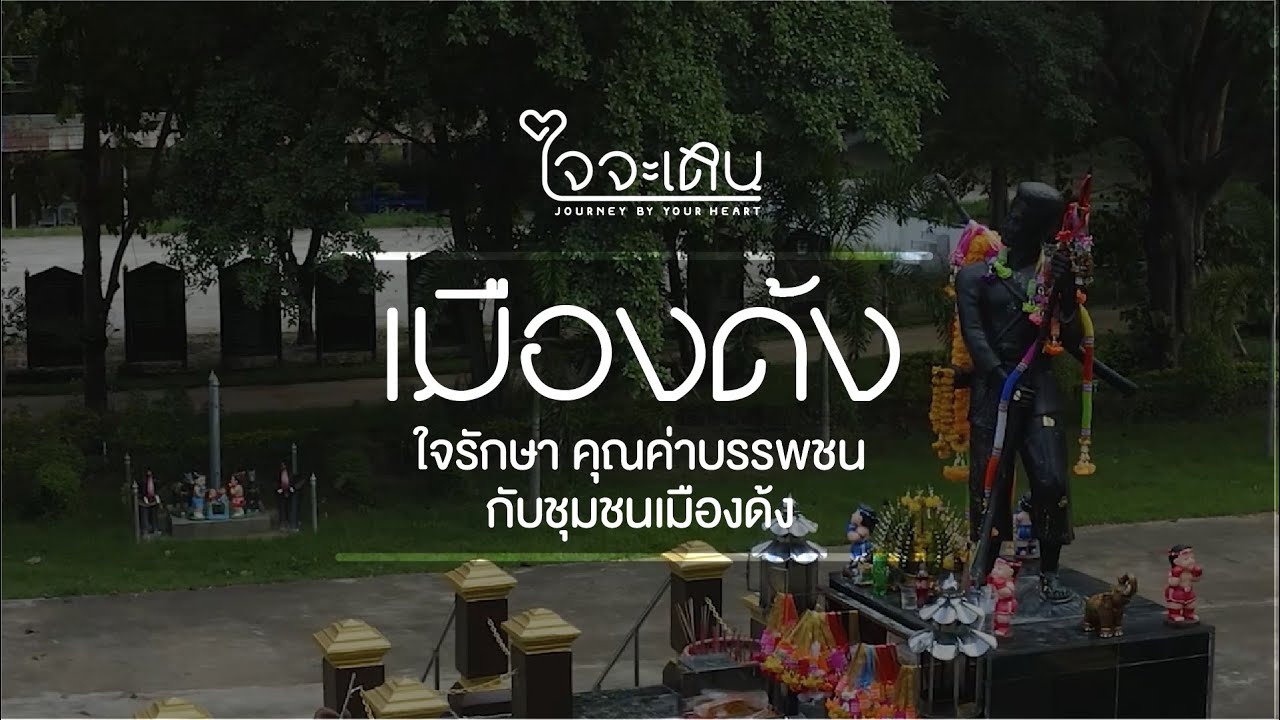
 Click to Access the Navigation Map GPS
The Chao Pho Mueang Dong Monument Map
Recommend

 Historical Sites and Monuments(4)
Landmarks and Memorials(5)
Historical Sites and Monuments(4)
Landmarks and Memorials(5)
 Art, Craft Centres, Tradition(11)
 Museums(5)
 Places of Worship
 Temple(40)
 Other Sacred Sites(10)
 Suburban Living
 Village, Community(3)
 Nature and Wildlife
 National Parks and Marine Reserves(3)
 Mountain (Doi)(2)
 Dam, Reservoir, Lake(4)
 Waterfalls(8)
 Caves(4)
 River, Canal(2)
 Entertainment and Agricultural
 Farms, Parks and Ecotourism(3)


