
lovethailand home >North Travel Attractions >Phetchabun Travel Attractions >Wichian Buri >Khok Prong > 15-Million-Year-Old Fossil Shell Cemetery
TL;DR: 15-Million-Year-Old Fossil Shell Cemetery is located at Ban Nam Dueat, Khok Prong Subdistrict, Wichian Buri District, Phetchabun, open Daily, hours 08:30–16:30.
15-Million-Year-Old Fossil Shell Cemetery
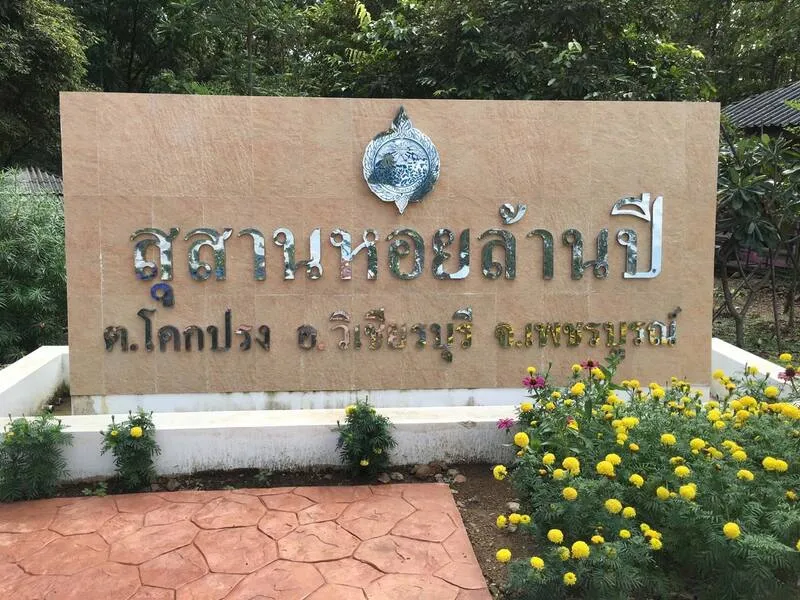
Open Days: Daily
Opening Hours: 08:30–16:30
The 15-Million-Year-Old Fossil Shell Cemetery in Phetchabun is one of the province’s most interesting natural attractions for travelers who enjoy geology, fossils, and educational travel. This site is known for its large number of freshwater shell fossils embedded in rock layers, with an estimated age of around 15 million years. What makes this place remarkable is not only its age, but the fact that visitors can clearly see traces of ancient life preserved in the landscape itself.
Located in Ban Nam Dueat, Khok Prong Subdistrict, Wichian Buri District, Phetchabun, the site is part of the Phetchabun Geopark geosite network. It is considered an important fossil area because the shell remains are preserved in natural rock layers, helping explain what this area may have looked like in the distant past. The fossil shells found here are freshwater shells, often described as having a shape similar to pagoda snails, and they provide evidence that this area was once associated with a freshwater environment.
The appeal of this place lies in its quiet scientific value. It is not a grand monument or a commercial tourist spot. Instead, it is a natural learning site where the land itself holds the story. Walking through the area, visitors can observe layers of stone and fossil-rich surfaces that preserve the remains of ancient freshwater shells. Once you understand that these fossils date back to the Miocene period, the entire experience becomes far more meaningful.
From a geological perspective, the fossil shell cemetery is significant because it records environmental change over millions of years. The abundance of shell fossils suggests that this area once held freshwater bodies where shell-bearing organisms lived in large numbers. Later, as environmental conditions changed and water levels declined, the shells accumulated, were buried in sediments, and eventually became fossilized within the rock. The result is a place where visitors can observe a natural archive of Earth’s history in a very direct way.
Another reason to visit this site is that it fits well into a broader geotourism route in Wichian Buri. Nearby natural attractions include the Khok Prong hot spring area, Sub Phlu Waterfall, Phu Nam Yot fossil sea, and other geosites linked to the Phetchabun Geopark. This makes the fossil shell cemetery more than a single stop. It can be part of a full-day nature and geology itinerary for travelers who want to explore a different side of Phetchabun beyond the more famous mountain and mist destinations.
The atmosphere at the site is calm and natural. It is best suited to travelers who enjoy quiet places, observation, and learning through the landscape. This is not a place that requires a long visit, but even a short stop can leave a strong impression. Seeing millions-of-years-old fossils still visible in stone helps shift the way visitors think about the land under their feet. Rocks stop being ordinary objects and begin to feel like evidence from a much older world.
For families and school groups, the fossil shell cemetery is especially useful as an outdoor learning destination. Children and students can see real fossil remains in their natural setting rather than only in textbooks or museum displays. This makes it easier to understand concepts such as fossils, ancient environments, sedimentation, and geological time. It is a simple site, but one with strong educational value.
The site also broadens the image of Phetchabun as a travel destination. Many visitors know the province mainly for mountains, cool weather, and scenic viewpoints. But places like this reveal another side of the province: one shaped by deep geological history and natural heritage. Visiting the 15-Million-Year-Old Fossil Shell Cemetery adds variety and depth to a Phetchabun trip, especially for travelers who enjoy uncommon attractions.
Because the area is a fossil site, visitors should treat it with care. The fossil-bearing rocks should not be broken, moved, or collected. These natural remains are part of a scientifically important site and should be preserved in place for future learning and conservation. Responsible travel is especially important in fragile geosites like this one.
Getting There is easiest by private car. The site is located in Ban Nam Dueat, Khok Prong Subdistrict, Wichian Buri District, Phetchabun, and works best as a self-drive stop combined with nearby geosites such as the Khok Prong hot spring and Sub Phlu Waterfall. Since it is part of a nature-based route, travelers should use navigation support and check local road conditions before departure.
In summary, the 15-Million-Year-Old Fossil Shell Cemetery is one of the most distinctive natural learning attractions in Phetchabun. It offers visitors the chance to see ancient freshwater shell fossils embedded in stone, understand the geological past of the region, and experience a quieter, more thoughtful side of travel. For anyone looking for a meaningful and unusual place to visit in Phetchabun, this site is well worth adding to the route.
| Name | 15-Million-Year-Old Fossil Shell Cemetery |
| Location | Ban Nam Dueat, Khok Prong Subdistrict, Wichian Buri District, Phetchabun |
| Highlights | Natural fossil site with freshwater shell remains embedded in rock, estimated to be around 15 million years old |
| History | A Miocene-era fossil site that reflects an ancient freshwater environment in the Wichian Buri area |
| Distinctive Features | Freshwater shell fossils preserved in natural rock layers, important for geological learning and geotourism |
| Travel Information | Best reached by private car via Khok Prong, Wichian Buri, with convenient connections to nearby geopark attractions |
| Current Status | Open as a natural attraction and Phetchabun Geopark learning site |
| Open Days | Daily |
| Opening Hours | 08:30–16:30 |
| Fees | Free of charge |
| Facilities | Nature trail area and open-air viewing space |
| Nearby Tourist Attractions | 1) Khok Prong Hot Spring – 1 km 2) Sub Phlu Waterfall – 12 km 3) Phu Nam Yot Fossil Sea – 28 km 4) Ban Phot Prehistoric Sea Museum – 40 km 5) Pha Khong Cave – 32 km |
| Nearby Restaurants | 1) Krua Ban Hao & Bar, Khok Prong – 6 km 2) Rim Thang Cafe – 10 km 3) Wichian Buri Grilled Chicken Restaurants in Town – 22 km 4) Restaurants in Wichian Buri Town – 22 km 5) Local Coffee and Food Stops in Khok Prong – 8 km |
| Nearby Accommodations | 1) SP Resort – 21 km, Tel. 082-535-5932 2) Piyamit 1 – 23 km, Tel. 056-792-659 3) Piyamit 2 – 24 km, Tel. 056-792-778 4) Yaowarat Richmart – 23 km, Tel. 081-707-3579 5) Rimphu Resort – 24 km, Tel. 095-642-0909 |
Frequently Asked Questions (FAQ)
Q: Where is the 15-Million-Year-Old Fossil Shell Cemetery located?
A: It is located in Ban Nam Dueat, Khok Prong Subdistrict, Wichian Buri District, Phetchabun.
Q: What makes this place special?
A: It is known for its freshwater shell fossils preserved naturally in rock layers, with an estimated age of around 15 million years.
Q: Is there an entrance fee?
A: No. Entry is currently free.
Q: How long should visitors spend here?
A: Most visitors spend around 20 to 40 minutes, depending on how much time they want for observation and photography.
Q: Who is this attraction suitable for?
A: It is suitable for nature lovers, families, students, and travelers interested in fossils, geology, and educational travel.
Q: What can be visited nearby?
A: Nearby attractions include Khok Prong Hot Spring, Sub Phlu Waterfall, Phu Nam Yot Fossil Sea, and Ban Phot Prehistoric Sea Museum.
 Category: ●Art, Culture and Heritage
 Group: ●Historical Sites and Monuments
Last Update : 3 MonthAgo
 Last Update : 3 MonthAgo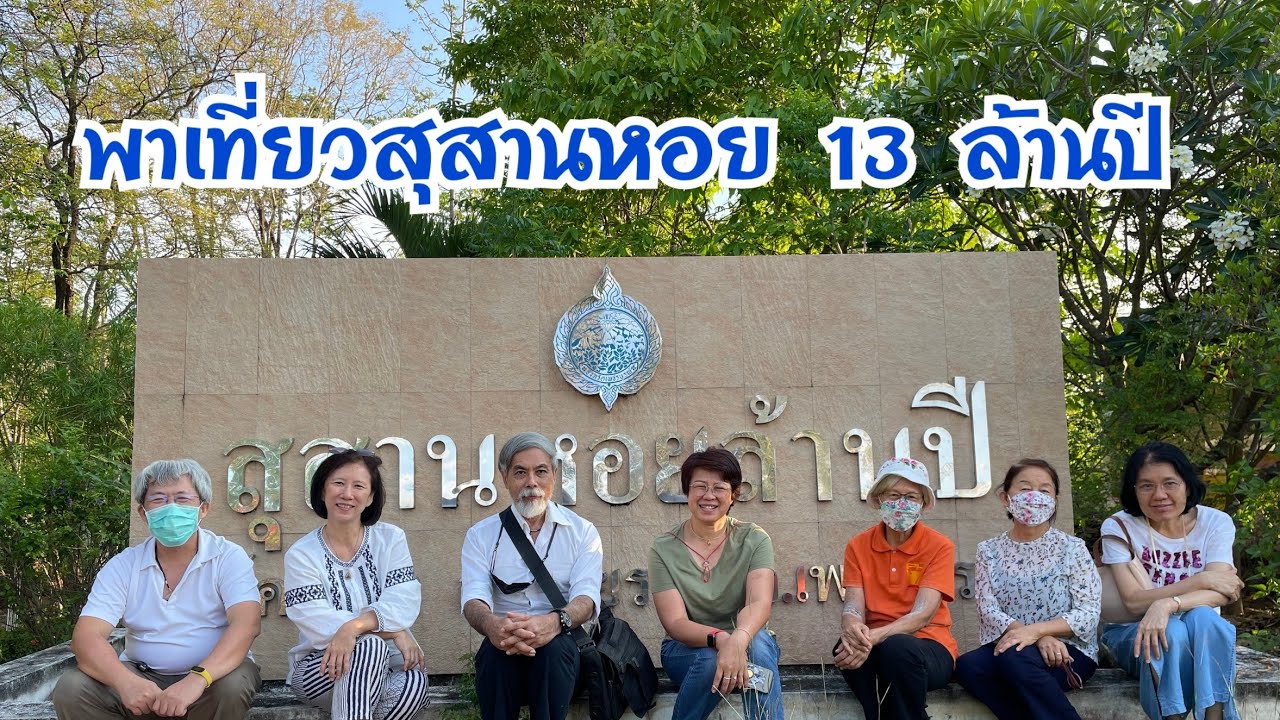
 Click to Access the Navigation Map GPS
15-Million-Year-Old Fossil Shell Cemetery Map
Recommend
 Historical Sites and Monuments(4)
 Landmarks and Memorials(3)
 Art, Craft Centres, Tradition(4)
 Art Gallery(1)
 Educational Places
 Library(1)
 Educational Gardens, Farm(3)
 Places of Worship
 Temple(31)
 Other Sacred Sites(8)
 Suburban Living
 Village, Community(4)
 Nature and Wildlife
 National Parks and Marine Reserves(4)
 Mountain (Doi)(11)
 Dam, Reservoir, Lake(14)
 Waterfalls(21)
 Hot Springs(1)
 Caves(11)
 Flower Field(1)
 River, Canal(12)
 Other natural attractions(13)
 Entertainment and Agricultural
 Zoos and Aquariums(1)
 Farms, Parks and Ecotourism(4)
 Outdoor and Adventure Activities(2)
 Travel Articles, Recipes
 Travel Review, Food Review(1)


