
lovethailand home >North Travel Attractions >Phetchabun Travel Attractions >Lom Kao >Wang Ban > Wat Na Sai
TL;DR: Wat Na Sai is located at Ban Na Sai, Wang Ban Subdistrict, Lom Kao District, Phetchabun Province, hours 08.00 - 17.00.
Wat Na Sai
Opening days: Daily
Opening hours: 08.00 - 17.00
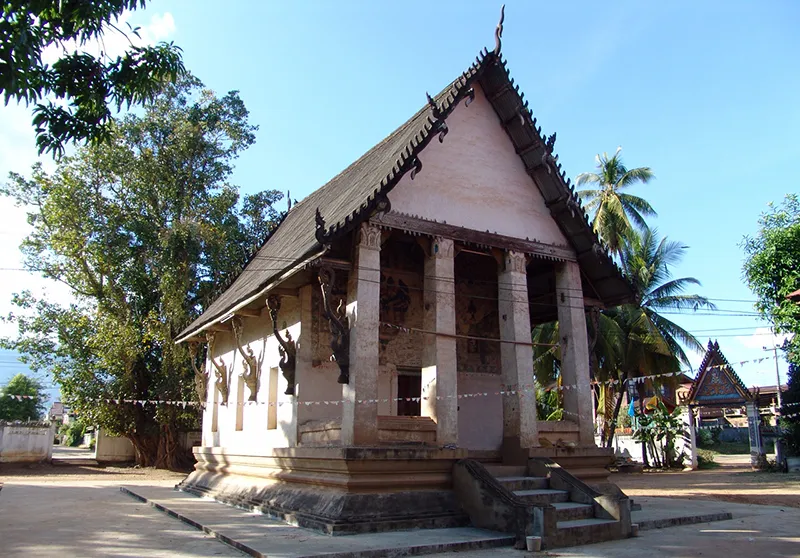
Wat Na Sai, Officially Known As Wat Sri Mongkol, is an old Buddhist temple located in Ban Na Sai, Wang Ban Subdistrict, Lom Kao District, Phetchabun Province. The temple is valued both as a living religious site for the local community and as an important cultural attraction for visitors interested in traditional Thai murals, Lan Xang art, Buddhist stories, and local history. Its most outstanding feature is the old ordination hall, or sim, whose interior walls are covered with ancient murals on all 4 sides.
The murals inside the ordination hall depict the Ten Great Birth Stories of the Buddha, scenes from Buddhist teachings, heaven and hell, and images of everyday life in the past. These include river trading, occupations, transportation, and social scenes that reflect the local way of life in earlier times. Because of these murals, Wat Na Sai is more than a place for merit-making. It is also a valuable cultural learning site that helps visitors understand the spiritual beliefs, artistic taste, and community life of old Lom Kao.
For travelers looking for a meaningful cultural destination in Phetchabun, Wat Na Sai is a worthwhile stop. It combines history, sacred atmosphere, local art, and peaceful rural surroundings. The temple is especially suitable for visitors who enjoy old temples, traditional mural paintings, Buddhist art, and quiet community-based travel rather than crowded tourist spots.
Wat Na Sai is still widely known by its local name, although its official name is Wat Sri Mongkol. The name “Na Sai” is connected with Ban Na Sai, the village where the temple is located. The official name “Sri Mongkol” conveys auspiciousness, prosperity, and spiritual blessing, reflecting the faith of the local community toward Buddhism.
The temple has a long history and has been associated with Ban Na Sai for generations. Its old ordination hall is the main historical and artistic highlight. The structure reflects Lan Xang influence, which is significant in this part of Phetchabun because Lom Kao and nearby areas have long been culturally connected with Lao and Mekong-region traditions. This makes the temple an important example of cultural blending in northern Phetchabun.
The ancient murals are painted in a traditional style using powdered pigments mixed with animal-hide glue on plaster. This old technique gives the paintings a distinctive texture and atmosphere. The colors are not overly bright, but they carry depth, softness, and age, allowing visitors to feel the character of traditional local craftsmanship.
The main mural theme is the Ten Great Birth Stories of the Buddha, or Dasachati Jataka. These stories describe the final 10 lives of the Bodhisattva before attaining enlightenment as the Buddha. They teach important virtues such as generosity, patience, compassion, truthfulness, wisdom, and perseverance. In the past, murals like these helped local people understand Buddhist teachings visually, especially in communities where written texts were less accessible.
Another important part of the murals is the depiction of heaven and hell. These scenes were used as moral instruction, showing the results of good and bad actions. The images remind viewers about karma, ethical conduct, and the importance of doing good. They also reveal how people in the past understood life, death, and the afterlife through Buddhist belief.
What makes the murals of Wat Na Sai especially valuable is that they include not only religious stories but also scenes of local society. Visitors can see images of river trade, fishing, daily work, travel, and community life. These details act like a visual historical record, showing how people lived, worked, dressed, traveled, and interacted with their environment in earlier times.
The river-trading scenes are particularly interesting because they show the importance of waterways in local life. In the past, boats were used for transportation, trade, and communication between communities. These paintings therefore help visitors understand the economic and social landscape of old Phetchabun more clearly.
The principal Buddha image of the temple is also significant. Known as Phra Phuttha Mongkol, it is a stucco Buddha image in Lan Xang style. Its name corresponds with the temple’s official name, Wat Sri Mongkol, and reflects the idea of blessing and auspiciousness. Paying respect to this Buddha image before viewing the murals is a suitable way to begin a visit.
The Lan Xang influence found at Wat Na Sai is one of the temple’s most important cultural features. The old ordination hall, mural style, and religious atmosphere show connections with Lao Buddhist culture and Mekong-region traditions. This allows visitors to see Phetchabun not only as a province of mountains and natural attractions, but also as a place with deep cultural roots and diverse historical influences.
When visiting the old ordination hall, travelers should take time to observe the murals slowly. Many small details can be missed if viewed too quickly. Characters, houses, tools, boats, animals, clothing, and daily activities all provide clues about the past. Walking around the hall and studying each wall carefully can make the visit much more rewarding.
The overall atmosphere of Wat Na Sai is calm, simple, and deeply local. It is not a large commercial tourist attraction. Its charm comes from authenticity, community life, and historical depth. Visitors who appreciate quiet temples, old murals, local art, and cultural heritage will find this temple especially meaningful.
For families, Wat Na Sai can also serve as an outdoor learning space. Parents can guide children to observe the murals and discuss Buddhist stories, moral lessons, local occupations, and traditional lifestyles. A visit to the temple can therefore become both a spiritual and educational experience.
Visitors who wish to take photographs should respect temple etiquette. The murals are old and valuable, so visitors should avoid touching the walls, avoid using flash where it may affect the paintings, speak softly, and dress politely. Respecting the space is part of helping preserve the temple’s cultural heritage.
Wat Na Sai is also conveniently located in Lom Kao District, an area that connects well with other major attractions in Phetchabun, including Phu Thap Boek, Wat Pha Sorn Kaew, and other mountain destinations. Travelers can include Wat Na Sai in a cultural and nature-based itinerary, visiting the temple before or after heading toward the highlands.
A one-day trip from Lom Kao can begin with paying respect and viewing the murals at Wat Na Sai, then continue to nearby local communities or up to Phu Thap Boek for mountain views. Travelers with more time may stay overnight near Wang Ban or Phu Thap Boek to enjoy the cool weather and morning scenery.
Getting There is most convenient by private car. From Lom Kao District, take the Lom Kao–Wang Ban road for approximately 3 km, then turn into Ban Na Sai, Village No. 2, for about another 1 km. The route is accessible, but visitors should drive carefully, especially if continuing toward mountain areas such as Phu Thap Boek.
Travelers coming from Phetchabun city can head toward Lom Sak and Lom Kao, then continue to Wang Ban Subdistrict. Visitors from nearby provinces such as Phitsanulok or Loei can also plan a route through Lom Kao. Checking the route before departure is recommended, as some sections are local village roads.
The best time to visit is in the morning or late afternoon when the weather is more comfortable. These times are also suitable for viewing the temple atmosphere and taking exterior photos. When viewing the murals inside the ordination hall, visitors should use natural light respectfully and avoid disturbing the religious space.
In terms of cultural value, Wat Na Sai is important because it shows how temples once functioned as religious centers, moral classrooms, storytelling spaces, and community museums. The murals do not separate Buddhist teachings from everyday life; instead, they place religious stories and local society within the same visual world. This makes the temple a powerful record of both faith and community memory.
Compared with larger and more famous temples, Wat Na Sai offers a quieter and more authentic experience. Visitors will not find grand modern structures or heavy tourist crowds here. Instead, they will encounter old craftsmanship, layered history, and a peaceful temple atmosphere that encourages slow observation and reflection.
For merit-making travelers, the temple provides a calm place to pay respect to the Buddha, make merit, and reflect on Buddhist teachings. For art lovers, it offers valuable murals that combine religion, local life, and traditional craftsmanship. For cultural travelers, it opens a window into the history of Lom Kao and the Lan Xang influence in Phetchabun.
In summary, Wat Na Sai, or Wat Sri Mongkol, is one of the old temples in Lom Kao District that deserves attention from travelers who want to explore Phetchabun beyond its mountain scenery. Its ancient ordination hall, Lan Xang-style Buddha image, and murals of the Ten Great Birth Stories, heaven and hell, and local life make it a meaningful destination for anyone interested in Thai Buddhist art, local heritage, and quiet cultural travel.
| Name | Wat Na Sai / Wat Sri Mongkol |
| Location | Ban Na Sai, Wang Ban Subdistrict, Lom Kao District, Phetchabun Province |
| Address | No. 90, Village No. 3, Ban Na Sai, Wang Ban Subdistrict, Lom Kao District, Phetchabun Province |
| Highlights | Ancient Lan Xang-style ordination hall, murals of the Ten Great Birth Stories, heaven and hell scenes, and local lifestyle paintings |
| History | An old community temple believed to have been established around 1815, with an ancient ordination hall approximately 200 years old |
| Name Origin | The local name Wat Na Sai is connected with Ban Na Sai, while the official name Wat Sri Mongkol reflects auspiciousness and spiritual prosperity |
| Distinctive Features | Traditional mural paintings using powdered pigments mixed with animal-hide glue on plaster, depicting Buddhist stories and local life |
| Important Features Inside The Temple | Phra Phuttha Mongkol, a Lan Xang-style stucco principal Buddha image, and the ancient ordination hall |
| Travel Information | Take the Lom Kao–Wang Ban road for about 3 km from Lom Kao District, then continue into Ban Na Sai for about 1 km |
| Current Status | An old community temple and cultural attraction suitable for heritage visits |
| Open Days | Open Daily |
| Opening Hours | Open During Appropriate Temple Visiting Hours |
| Fees | Free Admission |
| Nearby Tourist Attractions | 1. Phu Thap Boek 10 km 2. Phu Thap Boek Observatory And Temperature Station 10 km 3. Wat Pha Sorn Kaew 20 km 4. Tai Lom Walking Street, Lom Sak District 14 km 5. Phu Lom Lo 17 km |
| Nearby Restaurants | 1. Ban Tao Kae Main Branch 6 km, Tel. 092-699-1666 2. Krua Ban Tao Kae 6 km, Tel. 095-936-2896 3. Si Fa Phu Thap Boek Restaurant 10 km, Tel. 095-295-0224 4. Local Restaurants On Phu Thap Boek 10 km 5. Local Restaurants In Lom Kao District 4 km |
| Nearby Accommodations | 1. Ban Tao Kae Resort 6 km, Tel. 095-936-2896 2. Rai Rak Doi Phu Thap Boek 10 km, Tel. 082-065-9633 3. Rai Somporn Phu Thap Boek Resort 10 km, Tel. 093-567-3371, 088-421-7238, 084-000-3410 4. Rai Aranya Phu Thap Boek Viewpoint 10 km 5. Allsky Resort Phu Thap Boek 10 km 6. Indigo Lom Sak 13 km 7. Ban Vorachart 13 km |
Frequently Asked Questions (FAQ)
Q: Are Wat Na Sai And Wat Sri Mongkol The Same Temple?
A: Yes. Wat Na Sai is the local name, while Wat Sri Mongkol is the official name of the temple located in Ban Na Sai, Wang Ban Subdistrict, Lom Kao District, Phetchabun Province.
Q: What Is The Main Highlight Of Wat Na Sai?
A: The main highlight is the ancient ordination hall with murals on all 4 interior walls, depicting the Ten Great Birth Stories of the Buddha, heaven and hell, and local life in the past.
Q: What Type Of Traveler Is Wat Na Sai Suitable For?
A: It is suitable for travelers interested in old temples, Lan Xang art, traditional murals, Buddhist stories, local history, and quiet cultural travel.
Q: How Can Visitors Get To Wat Na Sai?
A: From Lom Kao District, take the Lom Kao–Wang Ban road for about 3 km, then turn into Ban Na Sai for about another 1 km.
Q: Is There An Entrance Fee At Wat Na Sai?
A: No. Admission is free, but visitors should dress politely and respect the religious site.
Q: What Else Can Visitors See Inside The Temple?
A: Visitors can pay respect to Phra Phuttha Mongkol, the Lan Xang-style principal Buddha image, and explore the old ordination hall with its valuable murals.
Q: Which Attractions Can Be Visited Together With Wat Na Sai?
A: Visitors can combine the trip with Phu Thap Boek, Phu Thap Boek Observatory, Wat Pha Sorn Kaew, Tai Lom Walking Street, and Phu Lom Lo.
 Category: ●Places of Worship
 Group: ●Temple
Last Update : 4 MonthAgo
 Last Update : 4 MonthAgo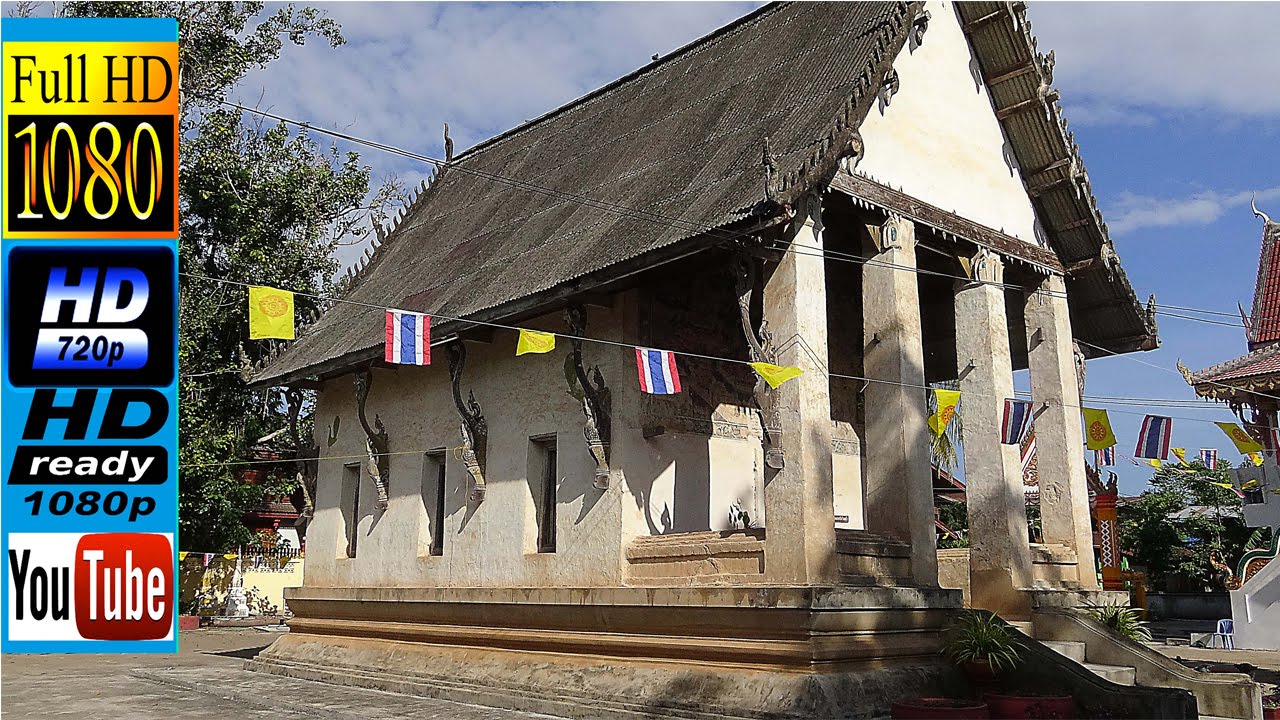
 Click to Access the Navigation Map GPS
Wat Na Sai Map
Recommend

 Art, Culture and Heritage
 Historical Sites and Monuments(4)
 Landmarks and Memorials(3)
 Art, Craft Centres, Tradition(4)
 Art Gallery(1)
 Educational Places
 Library(1)
 Educational Gardens, Farm(3)
Temple(31)
Educational Gardens, Farm(3)
Temple(31)
 Other Sacred Sites(8)
 Suburban Living
 Village, Community(4)
 Nature and Wildlife
 National Parks and Marine Reserves(4)
 Mountain (Doi)(11)
 Dam, Reservoir, Lake(14)
 Waterfalls(21)
 Hot Springs(1)
 Caves(11)
 Flower Field(1)
 River, Canal(12)
 Other natural attractions(13)
 Entertainment and Agricultural
 Zoos and Aquariums(1)
 Farms, Parks and Ecotourism(4)
 Outdoor and Adventure Activities(2)
 Travel Articles, Recipes
 Travel Review, Food Review(1)


