
lovethailand home >North Travel Attractions >Phetchabun Travel Attractions >Lom Sak >Ban Wai > Wat Phon Chai
TL;DR: Wat Phon Chai is located at Ban Huai Prong, Ban Wai Subdistrict, Lom Sak District, Phetchabun Province, open Open Daily, hours Open During Appropriate Temple Visiting Hours.
Wat Phon Chai

Open Days: Open Daily
Opening Hours: Open During Appropriate Temple Visiting Hours
Wat Phon Chai is an old and culturally significant temple located in Ban Huai Prong, Ban Wai Subdistrict, Lom Sak District, Phetchabun Province. The temple is closely connected with local history, Buddhist faith, the legend of Mueang Rat, Pho Khun Pha Mueang, Phra That Phon Chai, and the rare black rice grains known locally as “Khao San Dam.” For travelers interested in history, local legends, and community-based cultural tourism, Wat Phon Chai is one of the most distinctive places to visit in Phetchabun.
The main sacred landmark of the temple is Phra That Phon Chai, a revered relic stupa respected by local residents. During the Songkran Festival, the community holds a traditional ceremony to pour water over the stupa. This ceremony reflects Buddhist devotion, local identity, and the continuity of community traditions in Ban Huai Prong.
Wat Phon Chai is located in an area associated with stories of Pho Khun Pha Mueang, an important historical figure in Thai memory. Local traditions connect this region with the ancient city of Mueang Rat, a fertile settlement said to have existed during the time of Pho Khun Pha Mueang. These stories make the temple more than a religious site; it is also a place where history and legend are preserved through local belief.
The temple’s present development is linked with the year 1937, when villagers cleared and restored an old mound area near Huai Prong canal where an ancient stupa already stood. The villagers later established the temple and named it Wat Phon Chai. Over time, the temple was maintained and developed as a spiritual center of the community.
The name “Phon Chai” reflects both the landscape and the idea of auspicious victory. “Phon” can refer to a raised mound or elevated ground, while “Chai” means victory or auspicious success. This meaning suits the temple’s location and its role as a place of faith, memory, and historical significance.
One of the most unusual and important features of Wat Phon Chai is the black rice grains, or Khao San Dam. These rare grains are associated with local legend and are believed to have been found in the area around the temple. Unlike ordinary rice exposed to fire, these grains are said to appear as black rice grains rather than popped rice. This unusual characteristic has made them objects of fascination and reverence.
According to local legend, during the time of Pho Khun Pha Mueang, this area was once a fertile town rich in food and rice. When people feared that Khmer forces might attack the town and seize its food supplies, the town was burned to prevent the enemy from taking the rice and provisions. The rice that was burned did not become popped rice but turned into black grains, which became known as Khao San Dam.
Today, some of these black rice grains are preserved and displayed at Wat Phon Chai for later generations to study. Local people also regard them as sacred objects, and some have used them as amulets or auspicious items. This belief reflects how history, legend, and spirituality often come together in Thai local culture.
For cultural travelers, the black rice grains are not merely unusual objects. They represent memory, sacrifice, and identity. They help visitors imagine the stories of an ancient settlement, conflict, and the determination of local people to protect their homeland. In this sense, Wat Phon Chai serves as both a temple and a community heritage site.
The Songkran water-pouring ceremony for Phra That Phon Chai is another key reason to visit the temple. During this time, local residents gather to pay respect to the stupa, make merit, and pray for blessings. The ceremony strengthens community ties and keeps local Buddhist traditions alive.
Although some aspects of the temple’s history are preserved through oral tradition, these stories are valuable because they show how local people understand their past. The legend of Khao San Dam, the memory of Pho Khun Pha Mueang, and the reverence for Phra That Phon Chai all contribute to the temple’s identity.
The temple atmosphere is peaceful and simple, reflecting the character of a local community temple. Visitors can pay respect to Phra That Phon Chai, learn about the black rice legend, and appreciate the connection between Buddhism and local history. It is a suitable stop for travelers who want to explore Phetchabun beyond its mountain scenery.
Getting There is most convenient by private car. Travel to Lom Sak District, then continue toward Ban Wai Subdistrict and Ban Huai Prong. For digital navigation, search for “Wat Phon Chai Ban Huai Prong” or “Wat Phon Chai Ban Wai Lom Sak.” The temple can be included in a route with Lom Sak town, Tai Lom Walking Street, Pho Khun Pha Mueang Memorial, Wat Traiphum, Khao Kho, or Wat Pha Sorn Kaew.
The best time to visit is in the morning or late afternoon, when the weather is more comfortable. Visitors who want to experience the local ceremony should visit during the Songkran Festival, when the Phra That water-pouring tradition takes place. As with all temples, visitors should dress politely, behave respectfully, and avoid touching sacred or displayed objects without permission.
In conclusion, Wat Phon Chai is a meaningful cultural attraction in Phetchabun. It combines Buddhist faith, local history, the revered Phra That Phon Chai, the Songkran water-pouring tradition, and the rare legend of black rice grains. For travelers interested in local heritage, this temple offers a deeper understanding of Lom Sak and the historical memory of Phetchabun.
| Name | Wat Phon Chai |
| Location | Ban Huai Prong, Ban Wai Subdistrict, Lom Sak District, Phetchabun Province |
| Highlights | Phra That Phon Chai, black rice grains, Pho Khun Pha Mueang legend, and Songkran stupa water-pouring tradition |
| History | A community temple developed in 1937 on an old mound where an ancient stupa had existed, with local legends connected to Mueang Rat and Pho Khun Pha Mueang |
| Name Origin | The name relates to a raised mound and the idea of auspicious victory |
| Distinctive Features | A local temple preserving an ancient stupa, sacred black rice grains, and community legends |
| Important Features Inside The Temple | Phra That Phon Chai and preserved black rice grains for cultural study |
| Local Tradition | Annual water-pouring ceremony for Phra That Phon Chai during the Songkran Festival |
| Travel Information | Travel to Lom Sak District, then continue to Ban Wai Subdistrict and Ban Huai Prong; search for Wat Phon Chai Ban Huai Prong or Wat Phon Chai Ban Wai Lom Sak on digital maps |
| Current Status | A local Buddhist temple and cultural learning site connected with the black rice legend of Phetchabun |
| Open Days | Open Daily |
| Opening Hours | Open During Appropriate Temple Visiting Hours |
| Fees | Free Admission |
| Official Page | Wat Phon Chai Ban Huai Prong Facebook Page |
| Nearby Tourist Attractions | 1. Pho Khun Pha Mueang Memorial 8 km 2. Tai Lom Walking Street 9 km 3. Lom Sak Market 8 km 4. Wat Traiphum Lom Sak 9 km 5. Wat Pha Sorn Kaew 35 km 6. Khao Kho 45 km |
| Nearby Restaurants | 1. Guy Kub Nai Cafe Lom Sak 3 km, Tel. 082-902-5580 2. Ban Wai Boat Noodle 3 km 3. Restaurants In Lom Sak Town 8 km 4. Khanom Jeen Sawoei Khayum Jae Rae 8 km 5. Krua Hua Mum Lom Sak 9 km 6. Suanlom Restaurant 9 km |
| Nearby Accommodations | 1. Rabbit Hostel Lom Sak 8 km 2. C-CODE Resort 9 km 3. Ban Vorachart 9 km 4. Hotels In Lom Sak District 8 km 5. Lom Sak–Khao Kho Area Accommodations 25 km 6. Resorts In Khao Kho Area 45 km |
Frequently Asked Questions (FAQ)
Q: Where Is Wat Phon Chai Located?
A: Wat Phon Chai is located in Ban Huai Prong, Ban Wai Subdistrict, Lom Sak District, Phetchabun Province.
Q: What Is The Main Highlight Of Wat Phon Chai?
A: The main highlights are Phra That Phon Chai, the rare black rice grains, the legend of Pho Khun Pha Mueang, and the Songkran water-pouring ceremony.
Q: What Are The Black Rice Grains At Wat Phon Chai?
A: They are rare black rice-like grains connected with a local legend about the burning of an ancient town during the time of Pho Khun Pha Mueang.
Q: How Is Wat Phon Chai Connected With Pho Khun Pha Mueang?
A: Local legend connects the area with Mueang Rat, a town associated with Pho Khun Pha Mueang, and the black rice story is part of this local memory.
Q: What Important Tradition Takes Place At The Temple?
A: The temple holds a water-pouring ceremony for Phra That Phon Chai during the Songkran Festival.
Q: Is There An Entrance Fee?
A: No. Admission is free, but visitors should dress politely and respect the temple area.
Q: What Nearby Attractions Can Be Visited Together With Wat Phon Chai?
A: Nearby attractions include Pho Khun Pha Mueang Memorial, Tai Lom Walking Street, Lom Sak Market, Wat Traiphum, Wat Pha Sorn Kaew, and Khao Kho.
 Category: ●Places of Worship
 Group: ●Temple
Last Update : 4 MonthAgo
 Last Update : 4 MonthAgo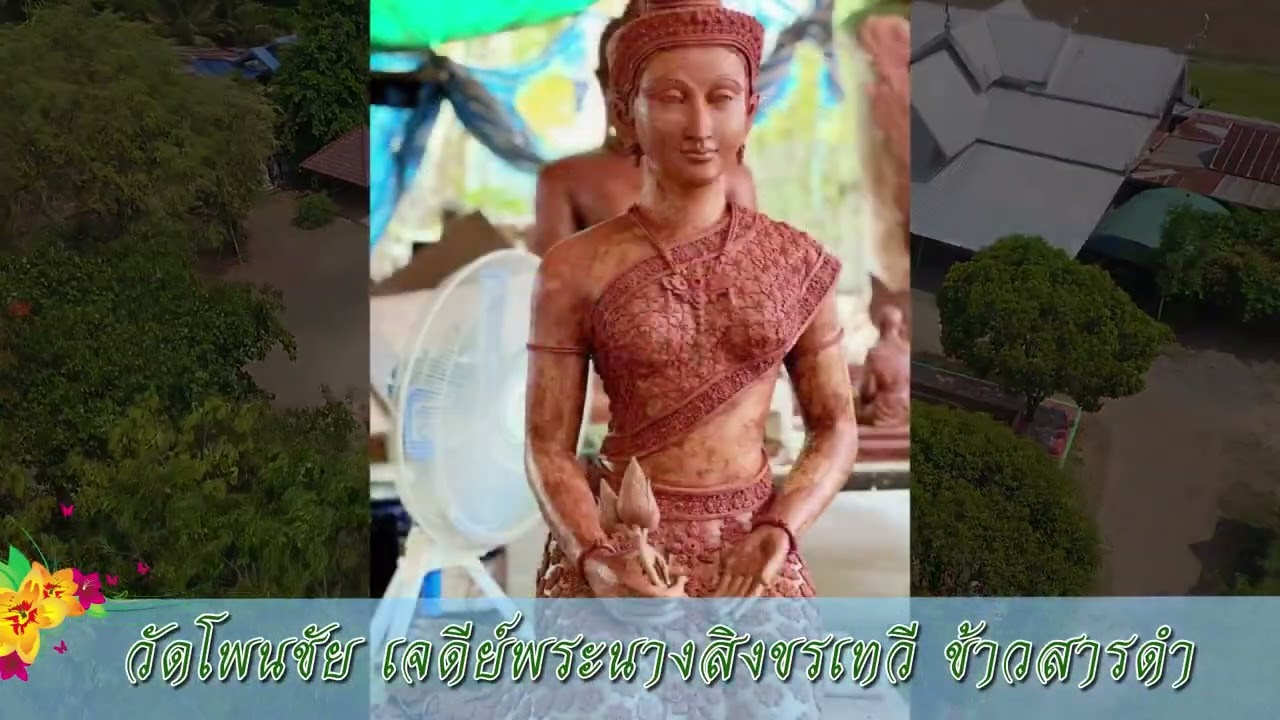
 Click to Access the Navigation Map GPS
Wat Phon Chai Map
Recommend

 Art, Culture and Heritage
 Historical Sites and Monuments(4)
 Landmarks and Memorials(3)
 Art, Craft Centres, Tradition(4)
 Art Gallery(1)
 Educational Places
 Library(1)
 Educational Gardens, Farm(3)
Temple(31)
Educational Gardens, Farm(3)
Temple(31)
 Other Sacred Sites(8)
 Suburban Living
 Village, Community(4)
 Nature and Wildlife
 National Parks and Marine Reserves(4)
 Mountain (Doi)(11)
 Dam, Reservoir, Lake(14)
 Waterfalls(21)
 Hot Springs(1)
 Caves(11)
 Flower Field(1)
 River, Canal(12)
 Other natural attractions(13)
 Entertainment and Agricultural
 Zoos and Aquariums(1)
 Farms, Parks and Ecotourism(4)
 Outdoor and Adventure Activities(2)
 Travel Articles, Recipes
 Travel Review, Food Review(1)


