

 Home
Home Chiang Mai(










Rating: 2.5/5 (19 votes)
 |
|  Map
Map 
 Have Map
  No Map
Chiang Mai attractions
Attractions in Thailand
Open Days: Generally daily (recommended to check weather conditions and site status before you go, especially during heavy rain)
Opening Hours: Recommended 08:00 – 17:00 (hours may change depending on local management; check before traveling)
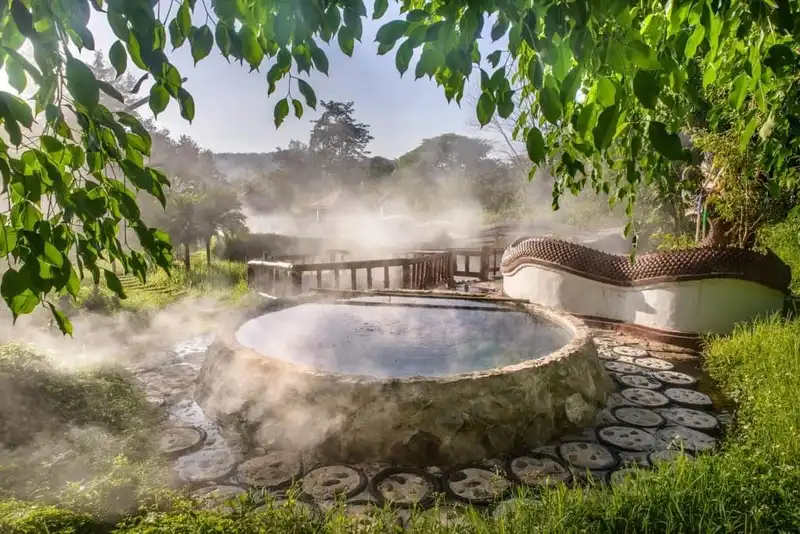
Nong Krok Hot Spring in Ban Nong Krok, San Sai Subdistrict, Phrao District, Chiang Mai is a natural hot-spring stop that fits people who want to “warm up without chasing hype.” The charm here isn’t about being grand or overly developed. It’s the feeling that you’re standing on living ground where the underground system is still actively working. You’ll see gas bubbles rising with the hot spring water, catch a faint sulfur scent (noticeable but not overpowering), and find more than 5 pools to walk around within the same area. It feels like a simple roadside break that somehow turns into both relaxation and a quiet lesson in nature.
From a geology viewpoint, this area is linked to the “Phrao Basin margin” and fault lines on the northern side of the basin. That structure matters because it helps groundwater seep deeper, absorb heat at depth, then get pushed back up through fractures and fault pathways—forming multiple hot spring pools on a lowland area near the foothills. Based on the information provided, the rock units found here include sandstone, orthoquartzite, arkosic sandstone, shale, and slate (Carboniferous age). Together, these help explain how “rock structure + faulting” work as a system that creates hot springs in this landscape.
What makes Nong Krok more interesting is that some “evidence you can actually see” sits right in front of you—no technical background needed. For example, sulfide minerals are reported to adhere to algae in the hot spring pools, and there are noticeable gas bubbles emerging with the hot spring water in many spots. The sulfur smell here is generally mild compared to stronger hot springs elsewhere, and the overall mineral alteration reported includes carbonate and sulfide groups. If you look closely, you may notice subtle mineral traces along pool edges and where hot water flows across surfaces.
For most visitors, the most immediate benefit is simple: the comfort of warm water—especially in winter or after a long drive. Foot soaking or a quick warm soak can genuinely ease fatigue. But it’s best to be honest about what it is: this is more about “rest and recovery” than a guaranteed medical treatment. The safest way to enjoy it is to start with short sessions, take breaks, stay hydrated, and pay attention to how your body feels so you get the relaxation without pushing yourself.
People who should be extra cautious include those with heart conditions, abnormal blood pressure, frequent dizziness, or pregnancy. If you still want to try, begin very gently and briefly, and consider consulting a doctor if you have concerns. Also watch your footing—surfaces can be slippery from moisture, especially after rain or in the early morning when the ground is cool and damp. At hot springs, slipping accidents can be more common than people expect.
To keep the visit safe and enjoyable, walk carefully in appropriate areas, avoid getting too close to spots that may be extremely hot, and do not touch water when you’re unsure of the temperature. If you’re visiting with children, keep them close, because steam and wet ground can cause sudden slips. As for etiquette, it’s simple: take your trash with you, keep noise reasonable, and respect the community around you. Do that, and Nong Krok stays pleasant and welcoming for everyone.
Another plus is that Nong Krok fits easily as a “stopover” on a Phrao trip. The area connects well with nearby nature and cultural sites. You can continue to Bua Tong Waterfall and the Seven-Color Spring for an easy walk-and-photo day, or stop by Wat Doi Mae Pang, then finish with a warm soak to reset your body before heading back. Done this way, you get greenery, calm, and comfort all in one day.
Getting There From Chiang Mai city, drive toward Phrao District, then continue to San Sai Subdistrict and Ban Nong Krok via local routes. A private car is the most convenient option. Allow extra travel time because there are curvy sections and weather can change quickly in some seasons—especially in the rainy season and winter when fog may reduce visibility. Plan to visit during daylight for a safer drive back.
| Name | Nong Krok Hot Spring |
| Location | Ban Nong Krok, San Sai Subdistrict, Phrao District, Chiang Mai |
| Key Characteristics | Natural hot spring with more than 5 pools on lowland near foothills; noticeable gas bubbles; mild sulfur scent; suitable for warm soaking/foot soaking to ease fatigue and cold weather |
| Period | Carboniferous-aged rock units (local geology information) |
| Key Evidence | Sandstone, orthoquartzite, arkosic sandstone, shale, and slate reported; springs associated with faulting along the northern margin of the Phrao Basin; sulfide minerals reported on algae in pools; carbonate and sulfide alteration minerals; abundant gas bubbles emerging with hot spring water |
| Name Origin | Named after the local community, “Ban Nong Krok,” where the hot spring is located |
| Travel | Chiang Mai → Phrao District → San Sai Subdistrict → Ban Nong Krok (private car recommended; allow time for curves and weather) |
| Current Status | Generally accessible (recommended to check on-site conditions on the day, especially during heavy rain) |
| Contact Number | San Sai Subdistrict Administrative Organization (Phrao): 053-123039, 053-123040, 053-123041, 053-123042 |
| Nearby Attractions (Approx. Distance / Phone) | Bua Tong Waterfall (40 km) Phone 093-193-3556 | Seven-Color Spring (40 km) Phone 093-193-3556 | Wat Doi Mae Pang (35 km) Phone not verified | Huai Luek Royal Project (55 km) Phone not verified | Chiang Dao Elephant Training Center (70 km) Phone not verified |
| Popular Restaurants Nearby (Approx. Distance / Phone) | Restaurants in Phrao town (25 km) Phone not verified | Local eateries around Doi Mae Pang (35 km) Phone not verified | Food spots near Bua Tong Waterfall area (40 km) Phone not verified | Restaurants near Huai Luek Royal Project area (55 km) Phone not verified | Restaurants in Chiang Dao area (70 km) Phone not verified |
| Popular Accommodations Nearby (Approx. Distance / Phone) | Accommodations in Phrao town (25 km) Phone not verified | Stays around Doi Mae Pang (35 km) Phone not verified | Stays near Bua Tong Waterfall area (40 km) Phone not verified | Stays near Huai Luek Royal Project area (55 km) Phone not verified | Stays in Chiang Dao area (70 km) Phone not verified |
| Facilities | Warm soaking/foot soaking spots (depending on site conditions) | Rest area | Pool-walking route (depending on local management) |
Frequently Asked Questions (FAQ)
Q: Is Nong Krok Hot Spring open every day?
A: Generally yes, but it’s recommended to check weather and on-site conditions first—especially during heavy rain when paths can become slippery.
Q: Is the sulfur smell strong?
A: Based on the chemical characteristics provided, there can be a sulfur smell, but it is not intense. You can also observe gas bubbles emerging with the hot spring water.
Q: How can I soak safely?
A: Start with short sessions, take breaks, stay hydrated, watch for slippery ground, and avoid touching water if you’re unsure of the temperature.
Q: Can people with medical conditions use the hot spring?
A: If you have heart conditions, abnormal blood pressure, pregnancy, or frequent dizziness, start very gently and briefly. If you’re concerned, consult a doctor before longer hot-water exposure.
Q: What’s the best season to visit?
A: Winter feels best because cool air makes warm soaking especially comfortable. In the rainy season, the landscape is lush, but be extra careful about slippery surfaces.
Q: What nearby places can I visit after this?
A: You can continue to Bua Tong Waterfall and the Seven-Color Spring, visit Wat Doi Mae Pang, or expand the trip toward the Huai Luek Royal Project area or Chiang Dao if you have more time.
 Nong Krok Hot Spring Map
 Category:
  Group:
  Last Update: 4 MinuteAgo
Comment
 Nearby Attractions
| Keyword (Advance) |
 Region
|
 Muang Chiang Mai(