
 Home
Home North(
 Chiang Mai(


Rating: 4/5 (7 votes)
 |
|  Map
Map 
 Have Map
  No Map
Phranakhon Si Ayutthaya attractions
Attractions in Thailand
Open Days: daily
Opening Hours: 08:00 – 17:00
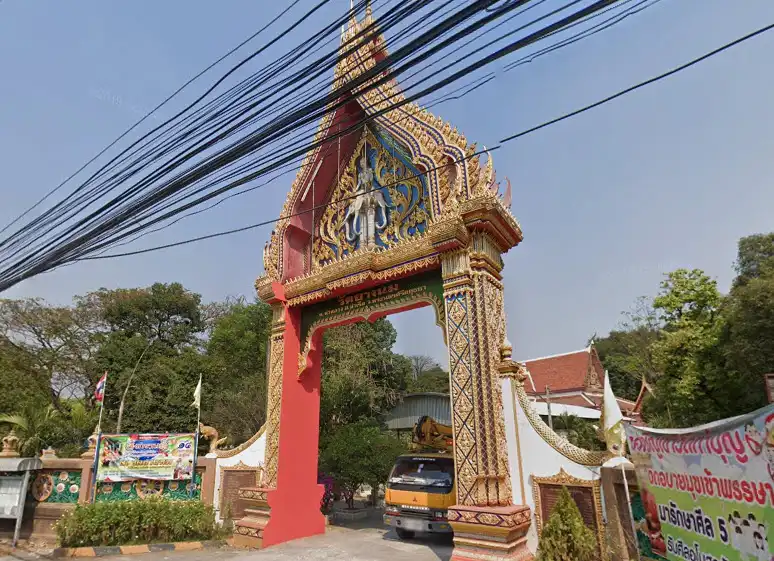
Wat Yang Nom is a community temple (Mahanikaya) located in Tha Luang Subdistrict, Tha Ruea District, Phra Nakhon Si Ayutthaya Province. Overall, it feels calm and local, set in an area where village life and riverside rhythms still shape the atmosphere. That’s why the mood here is noticeably different from the major temples in Ayutthaya’s old city, where crowds are often much heavier. Wat Yang Nom suits travelers who want an unhurried visit—drop in to pay respects, spend quiet time walking around the grounds, and then continue exploring the Tha Ruea–Tha Luang area, or head into the old city at a later pace.
What makes Wat Yang Nom especially memorable is its “name story.” It’s easy to picture and easy to remember, because the name does not come from a famous person or a major historical battle. Instead, it is tied to the natural landscape of the area. Recorded accounts tell that, in the past, near the Pa Sak River close to the temple site, there was a large yang tree with two prominent knots resembling breasts, each roughly the size of a garlic jar. Locals began calling the tree “yang nom” (“nom” meaning “breast”), and the name gradually became a symbol of the area before finally becoming the temple’s name: “Wat Yang Nom.” This kind of naming reflects a distinctly local Thai way of naming places—rooted in everyday images and the surrounding environment rather than grand titles meant to impress.
Wat Yang Nom has been “established as a temple” since 2462 BE (1919 CE). The area was previously a deserted temple site, later revived through local initiative. Sources mention a person known as “Khun Phrom” as an early leader of the restoration effort. This adds another layer to how we understand the temple: as a place shaped by communal faith and cooperation. Reviving a deserted temple rarely happens because of one person alone; it usually means neighbors and relatives joining hands to bring back a shared spiritual center. Once a temple returns to life, it naturally becomes the village’s gathering point—for rituals, merit-making, community events, and a sense of belonging.
From a cultural-travel perspective, Wat Yang Nom’s charm is not about monumental architecture or palace-like grandeur. It is about being a living “village temple” where everyday life still feels present. On some days you might hear sweeping in the courtyard, chanting, or small activities happening in a natural, unforced way. That simplicity often helps visitors slow down without trying, and it suits anyone who wants to see a different side of Ayutthaya—beyond the famous ruins and headline attractions.
Getting There If you are driving from Bangkok, you can take Asia Road (Highway 32) or Phahonyothin Road (Highway 1) into Phra Nakhon Si Ayutthaya Province, then head toward Tha Ruea District before entering Tha Luang Subdistrict. From there, use navigation and search for “Wat Yang Nom” to pin the route directly to the temple. It’s wise to allow extra travel time in the morning or during heavy-traffic hours. If you want a quieter atmosphere, late morning to early afternoon is often more comfortable.
If you are traveling by public transport, a practical approach is to first reach Ayutthaya Province or the Tha Ruea area, then continue by local transport (such as hired cars or local taxis) to the temple. For groups, hiring a short local ride is often more flexible and can make it easier to plan additional stops afterward.
Once you arrive, if you are visiting as a cultural traveler, begin simply: pay respects, make a quiet wish or dedication, then walk around the grounds at an easy pace. Many village temples “tell stories” through small details—older name signs, wooden pavilions, building forms that reflect different eras, or even tree lines and pathways that show how local people use the space. Spending 30–60 minutes in a temple like this can feel like a genuine pause for the mind.
Another aspect worth noticing is the temple’s “seasonal merit-making traditions.” Village temples in Thailand often hold community events throughout the year, especially after Buddhist Lent (Ok Phansa), when the Kathin season begins. In the case of Wat Yang Nom, there are references to Kathin-related activities, reflecting the temple’s continuing role as a spiritual and community gathering place. By tradition, Kathin ceremonies include offering the Kathin robe, making merit according to faith, and community activities such as food-sharing or communal support to host the event. If you want to experience that festive “temple community” atmosphere, following updates after Ok Phansa each year can increase your chance of visiting on a livelier day.
For cultural content and storytelling, Wat Yang Nom has a strong narrative advantage in its name origin. It stands out from other temples in Ayutthaya whose names may sound similar, and a distinctive local story like this strengthens the temple’s identity. It also helps readers remember the place instantly, which supports both reading experience and shareability.
If you see Wat Yang Nom as the start of a short trip, the Tha Ruea area can branch out in several ways. You can continue a local temple route nearby, or drive into Ayutthaya’s old city to visit the famous temples later. If you want to keep travel time efficient, focusing on nearby spots within Tha Ruea District first can help you spend less time on the road and more time within the local atmosphere.
As with any temple visit, simple etiquette goes a long way: dress modestly, keep your voice low, avoid climbing on structures or areas that may be old or actively used by the temple, and be mindful before taking photos if there are people praying or working nearby. If you plan to offer a set of donations or supplies, it’s best to ask the temple directly so your offering matches what the temple actually needs at that time.
In the end, Wat Yang Nom may not be a “major landmark” with constant crowds, but it is well-suited for those who want to see another side of Ayutthaya—Ayutthaya as community, as daily life, as a temple that stands with its village, and as a place with a name story that becomes an unforgettable mental picture.
| Place Name | Wat Yang Nom |
| Location | Tha Luang Subdistrict, Tha Ruea District, Phra Nakhon Si Ayutthaya |
| Address | 1 Moo 4, Tha Luang, Tha Ruea, Phra Nakhon Si Ayutthaya 18270 |
| Open Days | daily |
| Opening Hours | 08:00 – 17:00 |
| Summary | A local community temple (Mahanikaya) in Tha Ruea with a distinctive name origin connected to a “yang nom” tree, and records indicating the temple was established in 2462 BE (1919 CE) after being revived from a deserted site. |
| Highlights | 1) A memorable name-origin story 2) Quiet village-temple atmosphere for unhurried merit-making 3) A practical starting point for exploring the Tha Ruea–Tha Luang area or continuing into Ayutthaya’s old city |
| Brief History | Sources state the temple was established in 2462 BE (1919 CE), revived from a deserted temple site, with “Khun Phrom” mentioned as an early initiator. The name is linked to a large yang tree with two knots resembling breasts, called “yang nom” by locals. |
| Abbot / Current Caretaker | Recommended to contact the temple directly for the latest confirmed name. |
| Contact Number | 035-224-419 |
| Current Status | Open for merit-making and visits (for long holidays, a quick call ahead is recommended). |
| Getting There | Driving is easiest: enter Ayutthaya Province, head toward Tha Ruea District and Tha Luang Subdistrict, then use navigation to search “Wat Yang Nom” and follow the pinned route. |
| Traditions / Related Activities | Annual Kathin merit-making activities are associated with the temple. |
| Nearby Attractions With Distance | 1) Wat Satue (Reclining Buddha) – approx. 6 km 2) Tha Ruea Town / Market Area – approx. 8 km 3) Tha Ruea Guan Yu Shrine – approx. 9 km 4) Wat Yai Chai Mongkhon (Ayutthaya Old City Area) – approx. 50 km 5) Wat Phanan Choeng (Ayutthaya Old City Area) – approx. 52 km |
| Popular Restaurants Nearby With Distance & Phone | 1) Kin Luk Diao Restaurant (Tha Ruea) – approx. 9 km – 088-958-4105 2) Ma Du Ruea (Tha Ruea) – approx. 9 km – 035-742-463 3) Chap Ik Noodles (Tha Ruea) – approx. 9 km – 064-636-3930 4) Rabiang Kaphrao Tha Ruea (Tha Ruea) – approx. 9 km – 097-151-3157 5) Aep Zaap (Tha Ruea) – approx. 9 km – 087-033-6026 |
| Popular Accommodations Nearby With Distance & Phone | 1) Rim Bueng Suan Prik Resort – approx. 15 km – 084-516-6553, 089-777-8352 2) The Cavalli Casa Resort – approx. 55 km – 035-881-222, 065-824-5364 3) sala ayutthaya – approx. 50 km – 035-242-588 4) Pludhaya Resort and Spa – approx. 50 km – 035-707-565, 063-246-4241 5) iuDia on the river – approx. 50 km – 086-080-1888, 035-323-205 |
Frequently Asked Questions (FAQ)
Q: Which province is Wat Yang Nom in?
A: Wat Yang Nom is in Phra Nakhon Si Ayutthaya Province, in Tha Luang Subdistrict, Tha Ruea District.
Q: Is Wat Yang Nom open every day?
A: Published information indicates it is open daily from 08:00 – 17:00. If you plan to visit during long holidays, it’s a good idea to contact the temple in advance to confirm.
Q: Where does the name “Wat Yang Nom” come from?
A: Recorded accounts say the name is linked to a large yang tree near the former temple site, which had two knots resembling breasts. Locals called it “yang nom,” and the name eventually became the temple’s name.
Q: When was Wat Yang Nom established?
A: Sources state the temple was established in 2462 BE (1919 CE), after being revived from a deserted temple site.
Q: What traditions or annual events are associated with the temple?
A: Kathin merit-making activities are associated with the temple, typically during the season after Buddhist Lent (Ok Phansa).
Q: How can I contact the temple before visiting?
A: You can call 035-224-419 to ask about opening times, merit-making events, or any practical details before your trip.
 Wat Yang Nom Map
 Category:
  Group:
  Last Update: 2 MonthAgo
Comment
 Nearby Attractions
| Keyword (Advance) |
 Facebook Fanpage
 Region
 Art, Culture and Heritage
 Historical Sites and Monuments(
 Landmarks and Memorials(
 Royal Palace(
 Art, Craft Centres, Tradition(
 Museums(
 Educational Places
 Museum for Study(
 Educational Gardens, Farm(
 Training Center(
 University
 Church(
 Mosque(
 Other religious and spiritural sites(
 Research and Development
 Royal Project(
 Suburban Living
 Village, Community(
 Local Market(
 Floating Market(
 Nature and Wildlife
 Dam, Reservoir, Lake(
 River, Canal(
 Islands(
 Other natural attractions(
 Entertainment and Agricultural
 Animal camps and shows(
 Farm, Parks, Gardens and Ecotourism(
 Travel Articles, Recipes
 Travel Review, Food Review(